
Introduction
When you hear "Capital Group American Funds," you might picture a steady, old-school investment option. But if you work in the startup ecosystem, understanding this investment giant matters more than you think.

Capital Group is one of the world’s oldest and largest active asset managers.
Founded in Los Angeles, it now manages over $3.0 trillion in assets Wikipedia. It is also the largest privately-owned investment management firm in the world Hubbis.
The company is best known for its American Funds family. These funds use a unique, research-driven approach. Multiple portfolio managers work together, each investing based on their highest convictions Capital Group. This long-term focus has attracted millions of investors over the decades.
For venture capital professionals, Capital Group offers a window into how large-scale asset managers think. Their approach to research and long-term value creation can inform your own fundraising and investment strategies.
This guide covers Capital Group’s investment philosophy, fund lineup, performance, and fees. You will see how it fits into the broader world of private investment companies and private equity.
Want to stay ahead of market trends like these? Subscribe Free to The Deep View Newsletter for daily AI and tech insights.
The Capital Group Story: A Legacy of Active Management
How does an investment firm stay at the top of its game for more than nine decades? Capital Group provides a powerful answer. Since 1931, it has stuck to a simple but powerful idea: do your own research and think long term.
Founded during the Great Depression by Jonathan Bell Lovelace in Los Angeles, Capital Group took a different path from the start. It focused on deep, fundamental research rather than chasing quick profits. That focus has paid off. Today, it is the largest privately-owned investment management firm in the world Hubbis,
managing over $3.0 trillion in assets Wikipedia. For venture capital professionals, this scale alone makes it a force to watch. It shapes markets in ways that directly impact private investment companies and the broader private equity landscape.
So what is the secret sauce? It is a unique structure called "The Capital System". Most fund managers rely on one star manager or a small committee. Capital Group does it differently. It uses multiple portfolio managers who each invest their specific part of the fund based on their highest convictions
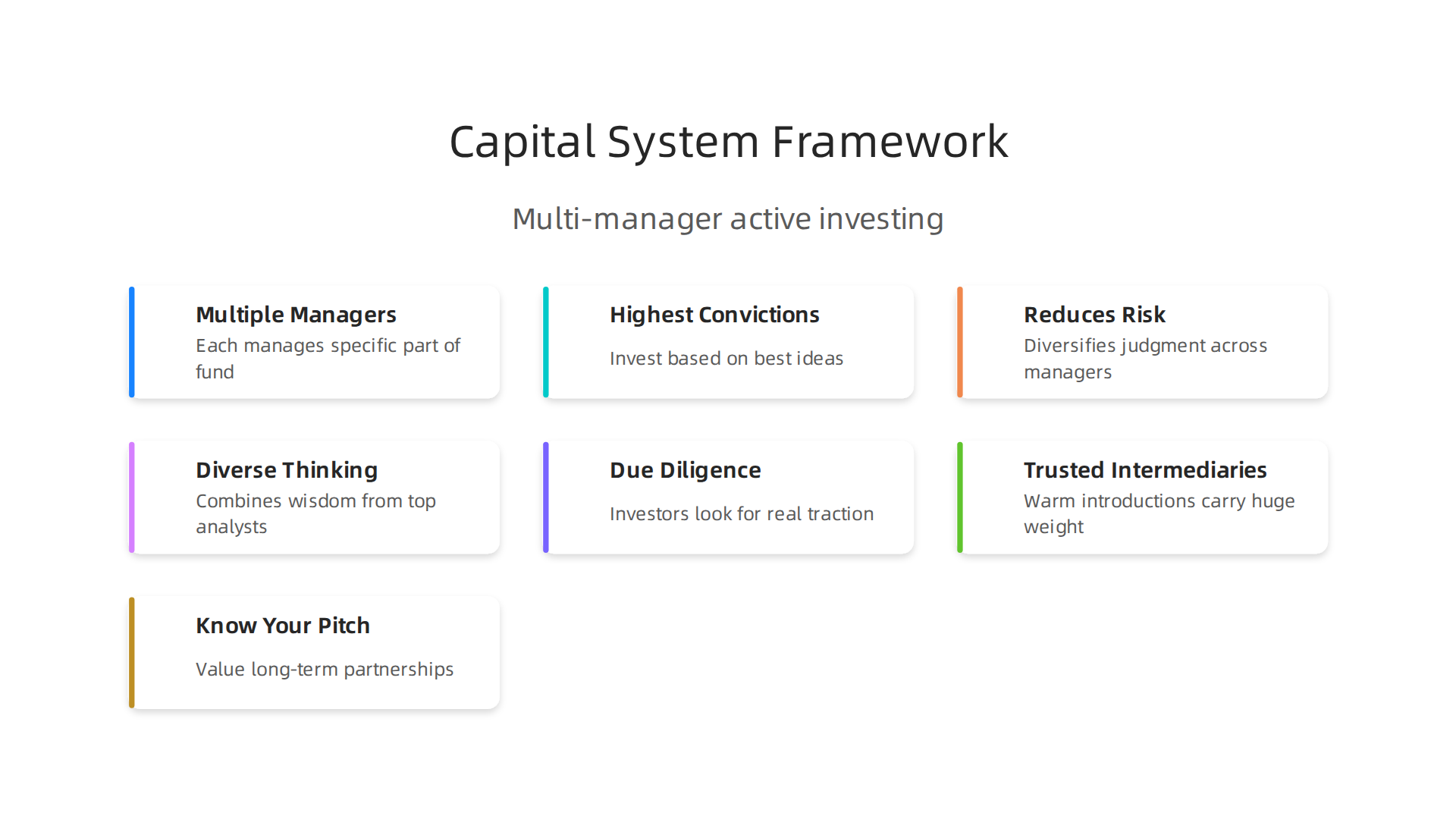
Capital Group. This approach reduces risk and allows for diverse thinking. Instead of betting everything on one person’s judgment, you get the combined wisdom of many top analysts.
This system thrives on global collaboration. Capital Group operates out of major financial hubs in the US, UK, Europe, and Asia. Their analysts are based where the action is, giving them on-the-ground insights. They have continued to evolve, launching their first fixed income fund in 1974 which has grown to over $636 billion in assets Capital Group History. Their 2026 capital market assumptions show how they view the world through a disciplined, long-term lens Capital Market Assumptions.
For founders and investors building the next big thing, Capital Group’s story is a lesson in patience and process. Understanding how capital group american funds operate gives you an edge when positioning your own startup. It shows you what deep institutional support really looks like. The investment world is changing fast, and staying informed is your biggest advantage. Subscribe Free to The Deep View Newsletter for daily AI and tech updates that help you connect the dots.
Inside the American Funds Family: A Diverse Lineup
Now that you know how Capital Group invests, let’s look at the actual funds they offer. The American Funds family includes a wide range of options. You will find equity funds, balanced funds, and bond funds.
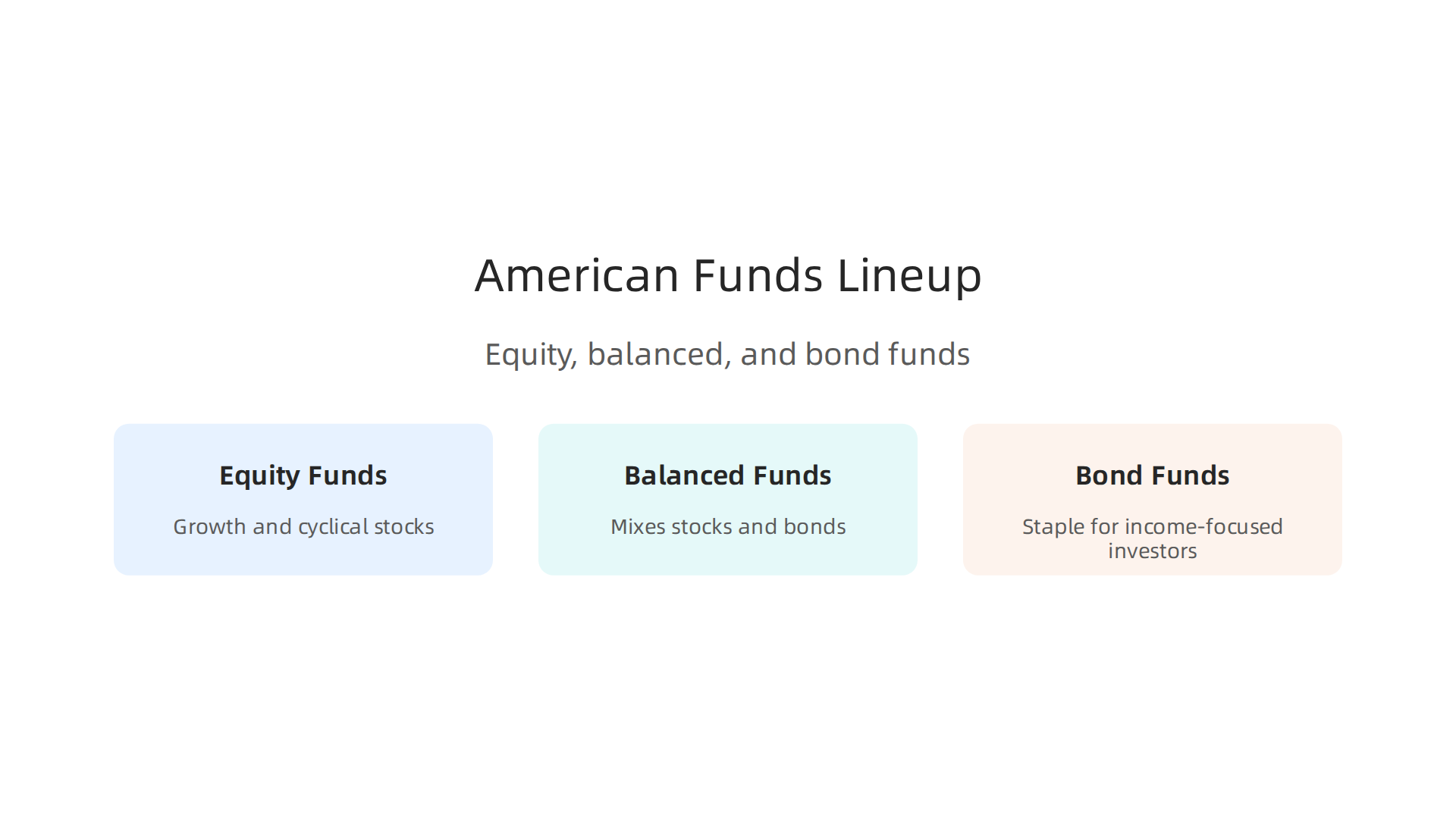
Many of them have very long track records. This variety is one reason why capital group american funds are so popular among financial advisors and retirement plan providers.
Some of these funds are giants. According to Morningstar, the Growth Fund of America (AGTHX) held about $339 billion in assets as of 2025.
That makes it one of the largest actively managed funds in the world. This fund takes a flexible approach. It looks for traditional growth stocks but also invests in cyclical companies and turnaround situations Capital Group. Then there is the American Balanced Fund with roughly $270 billion. It mixes stocks and bonds for a steadier ride. And the Washington Mutual Investors Fund has been a staple for income-focused investors for decades.
Another flagship is The Investment Company of America (AIVSX). It aims for long-term growth of capital and income. These funds are distributed mainly through financial advisors and retirement platforms like 401(k) plans. They come in different share classes (like Class A, C, or R) so that investors with different needs can find a good fit. You can also find model portfolios that combine several American Funds together Capital Group.
Why does this matter to you as a founder or investor? Simple. The same large institutional money that flows into these funds also shapes the broader market, including private investment companies and private equity. When you understand what impact capital managers like Capital Group are buying, you get a clearer picture of where smart money is moving. That insight can help you position your startup or your investment strategy, whether you are seeking venture capital or watching the public markets.
The world of finance is complex, but staying informed on the biggest players gives you an edge. Subscribe Free to The Deep View Newsletter for daily AI and tech insights that help you connect the dots between public markets, fundraising trends, and private capital flows.
Active Management Philosophy: Research-Driven Long-Term Investing
So how does Capital Group actually pick the stocks inside those giant funds? The answer gives us a powerful lesson in patience and discipline. It all comes down to their active management philosophy.
At the heart of capital group american funds is a simple but demanding idea: do your own homework. Capital Group does not chase market trends or follow the crowd. Instead, they build their portfolios from the ground up using old-school fundamental research.
Here is how it works.
The Research Machine
Capital Group employs hundreds of analysts and portfolio managers spread across the globe.

These people do not just sit in an office reading reports. They go out and visit companies. They talk to management. They study competitors. They build their own financial models from scratch.
This deep research lets them find opportunities that others miss. It also helps them avoid companies that look good on the surface but have hidden problems. The firm has been using this approach for decades, and it is a big reason why they manage so much money today Capital Group.
Think of it like this. Most people invest by looking at a stock screen or following a hot tip. Capital Group invests by knowing a business inside and out. That is a huge advantage when markets get choppy.
The Multi-Manager System
Here is another smart twist in their strategy. Most mutual funds have one or two portfolio managers making all the decisions. Capital Group does something different.
They use a multi-manager system. A single fund can have multiple portfolio managers, each running their own piece of the portfolio. Each manager has their own style and picks their own stocks. This mix of approaches helps the fund stay balanced even when one manager makes a bad call.
The Growth Fund of America (AGTHX) is a good example. It has a flexible mandate. It can buy traditional growth stocks. But it can also invest in cyclical companies and turnaround situations. That flexibility, combined with multiple perspectives, gives it resilience.
A Contrarian, Long-Term Horizon
Most investors today think in weeks or months. Capital Group thinks in years and decades. That long time horizon is a superpower.
When you are not worried about next quarter’s report, you can buy great companies when they are out of favor. You can hold them through rough patches. You can let compounding do the heavy lifting.
This contrarian patience is something every startup founder and venture capitalist should study. In private equity and venture capital, the best returns often come from holding winners for a long time. The same is true in public markets.
What This Means for You
If you are building a startup or investing in private companies, there is a direct lesson here. The discipline of impact capital managers like Capital Group shows you where smart money goes. They do not buy hype. They buy businesses with real value.
Understanding their research-driven approach helps you see the bigger picture. It connects the dots between public market behavior and private market opportunities. That is exactly the kind of insight that helps you raise capital or deploy it more wisely.
Want to stay ahead of these trends? Get Free Updates from The Deep View Newsletter for daily AI and tech insights that help you connect public market moves with private capital flows.
Performance and Fees: What Investors Should Know
Alright, so you know how Capital Group picks stocks. Now lets talk about what matters next: the actual results and the costs to get them. Because even the smartest strategy falls flat if fees eat your returns.
This is where capital group american funds get some tough questions. Here is the honest trade off.
The Fee Breakdown
First, the cost side. American Funds do not come free. No active fund does. But their fees are not the highest either.
Most American Funds have two layers of cost:
- Expense ratios: These range from about 0.6% to 1.2% depending on the share class you choose.
- Front-end loads: If you buy A shares, you pay a sales charge of up to 5.75%. That means only about $94 of every $100 you invest actually goes into the fund on day one.
Here is a simple look at the main share classes:
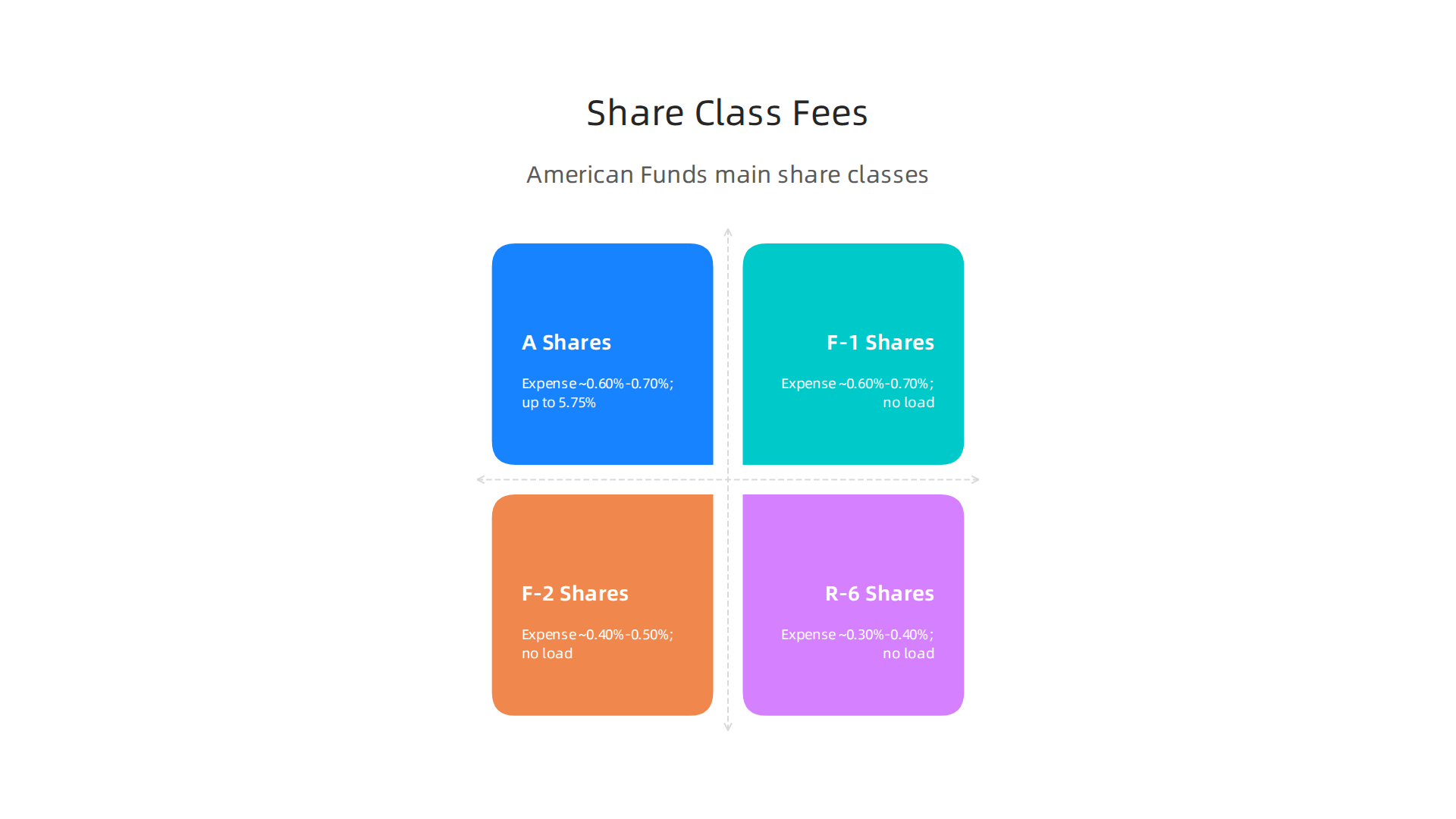
| Share Class | Expense Ratio Range | Typical Front-End Load |
|---|---|---|
| A Shares | ~0.60% 0.70% | Up to 5.75% |
| F-1 Shares | ~0.60% 0.70% | None |
| F-2 Shares | ~0.40% 0.50% | None |
| R-6 Shares | ~0.30% 0.40% | None |
The A shares load is the big one. If you are investing through a 401(k) or an advisor who charges a flat fee, look for the F or R share classes. They skip the load.
Important note: Institutional share classes like R-6 have the lowest fees. If you qualify, those are the way to go.
How Do They Actually Perform?
Here is where the story gets interesting. In 2025, the ten largest active funds had a strong year. According to Morningstar, American Funds was the big winner among them. The five year and ten year returns for several funds landed in the top quintile of their peers Morningstar.
Take The Growth Fund of America (CGFAX) as an example. Its 10 year return with sales charge was 15.07% as of early 2026 Capital Group. That is a solid long term number.
But you also need to look at the full picture. A major study of US mutual funds from 1991 to 2023 found that active funds, on average, trail their benchmark returns by about 1% to 1.5% each year after fees SSRN. So you pay for active management, and sometimes you get less than the index.
Does that mean American Funds are bad? No. But it means you have to check the specific fund, not just the brand.
The Real Trade Off
Here is what matters most. American Funds tend to produce strong risk-adjusted returns over long holding periods. They do not always beat the S&P 500 in a given year. But they often lose less during downturns. That stability is worth something.
The trade off is simple:
- You pay higher fees than a passive index fund.
- In exchange, you get a team of researchers and a multi-manager system that aims to protect your downside while capturing upside.
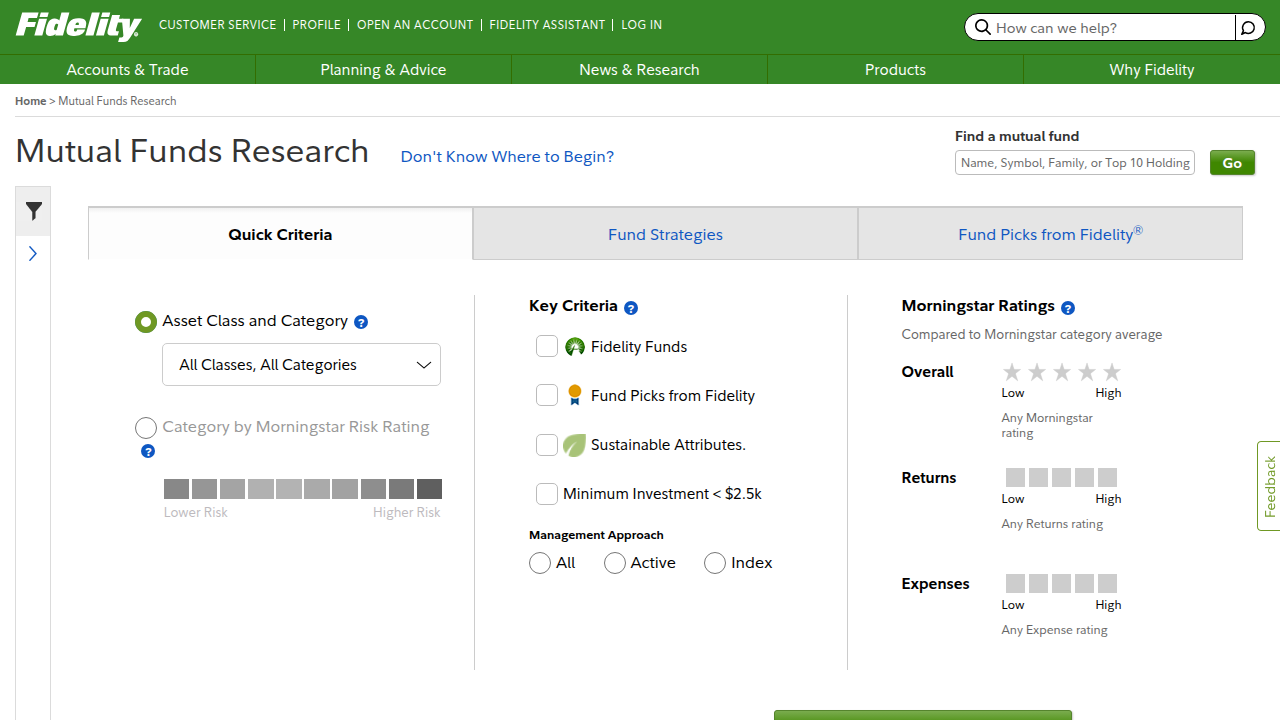
For long term investors who hold for 10 years or more, American Funds have historically delivered. You can check specific fund returns and Morningstar ratings at Fidelity or directly on Capital Group’s fund finder Capital Group, Fidelity.
A Note for Startup Investors
If you are building a company or raising capital, understanding this fee and performance dynamic helps you evaluate impact capital managers. The same discipline applies. Look for managers who charge fair fees and deliver consistent risk-adjusted returns over time.
Smart money is patient money.
If you want to stay ahead of market shifts and discover how these trends affect private capital, subscribe to The Deep View Newsletter. It is a simple way to get daily AI and tech insights that connect the dots between public and private markets.
How to Invest in American Funds in 2026
So you want to put money into Capital Group American Funds. You know the fees and the performance. But how do you actually buy them? The process is not as simple as clicking a button on a trading app. Here is what you need to know.
The Role of Financial Advisors
Most American Funds are sold through financial advisors. That means you typically need a registered representative to make the purchase. Capital Group designed their distribution this way. They believe investors benefit from professional guidance when choosing share classes and building a portfolio.
If you already work with an advisor, ask them about American Funds. They can access nearly every share class. If you do not have an advisor, you can find one through Capital Group’s website.
Share Class Options
Choosing the right share class matters a lot. Each one has a different fee structure. Here is a quick breakdown of the main options in 2026:
| Share Class | Best For | Key Feature |
|---|---|---|
| A Shares | Long term investors with large balances | Up to 5.75% front load, but breakpoints reduce the fee |
| F-2 Shares | Investors using a fee only advisor | No front load, low expense ratio |
| R-6 Shares | Retirement plan participants | Lowest expense ratio, no load |
For many investors with significant account balances, Class A shares are the most cost effective way to own American Funds Capital Group. The sales charge decreases as you invest more money.
F share classes let you access the funds without paying a front end load. They are available through participating financial professionals Capital Group.
Access Through Retirement Plans and Brokerages
You can also get American Funds through your employer’s 401(k) plan. Many companies offer American Funds as investment options. If yours does, you are already invested without needing an advisor.
Some major brokers like Fidelity and Charles Schwab offer American Funds on their platforms. You can buy them directly but the available share classes may be limited.
Direct Purchase Is Harder
Here is the honest truth. You cannot just visit Capital Group and open a personal account for American Funds. The company does not sell directly to individuals. You must go through an intermediary.
That makes American Funds different from Vanguard or Fidelity where you can open an account online in minutes. But for private investment companies and impact capital managers, this advisor model ensures clients get personalized service.
What This Means for You
The best approach depends on your situation. If you are a startup founder or investor with capital to deploy, working with a financial advisor makes sense. They can help you pick the right share class and fit American Funds into your broader strategy.
If you manage private equity or impact capital managers, understanding these distribution channels helps you evaluate how institutional investors access these products.
Connected market trends like AI and tech are reshaping both public and private markets. Stay ahead of these shifts by subscribing to The Deep View Newsletter for clear daily updates that connect the dots between technology and your investment strategy.
Capital Group’s Private Markets and Startup Relevance
You might think of Capital Group as a giant in public stock funds. And you would be right. But here is something many people miss. They also have a serious presence in private markets.
Capital Group Private Markets has been around since 1992. Through six emerging markets private equity funds, they have invested over $5 billion in more than 80 companies across the world Capital Group Private Markets. That is a huge amount of capital flowing into private companies that are not yet public.
In 2026, this side of their business is getting even bigger. Capital Group partnered with KKR to launch a first of its kind public private equity fund.

The Capital Group KKR U.S. Equity+ fund blends public stocks and private equity into one investment vehicle Capital Group News. This move shows how the line between public markets and private companies is blurring fast.
Why This Matters for Founders
If you run a startup or work with private investment companies, this trend matters a lot. Large asset managers like Capital Group are not just buying public stocks anymore. They are actively looking for later stage growth companies to back directly.
That means more competition for the best deals. But it also means more opportunities. If your company is growing fast and showing real traction, you could attract interest from institutional investors who used to only buy public shares.
Understanding how Capital Group evaluates private companies can help you prepare. They look for strong management teams, clear growth plans, and solid financials. The same discipline they apply to public stock picking carries over to their private equity work.
For impact capital managers and private equity firms, the rise of public private hybrid funds signals a shift. According to McKinsey’s Global Private Markets Report for 2026, private markets continue to grow and attract new types of investors McKinsey. Traditional asset managers are entering the space, and that changes the playing field.
What You Can Do Now
Start paying attention to how large fund managers like Capital Group are expanding into private markets. If you are raising capital, consider how your company fits the criteria of these institutional investors. They look for scalable businesses with clear competitive advantages.
And if you want to stay on top of these fast moving trends without spending hours reading reports, there is a simple way. Smart investors and founders use a daily newsletter that cuts through the noise. Subscribe to The Deep View Newsletter for clear, daily updates on AI, technology, and private market shifts that affect your fundraising strategy. It is free and takes two minutes to join.
Key Takeaways for Startup Fundraising Professionals
So what can you learn from a firm like Capital Group? A lot, actually. Even if you are not pitching to them directly, their approach holds three powerful lessons for anyone trying to raise capital in 2026.
1. Patience and due diligence still win.
Capital Group is famous for its long term, research heavy investing style. They do not chase trends. They study companies for months or years before making a move. According to their own website, they manage assets through three independent investment groups that each do their own research Capital Group investment approach. This patience means they rarely get fooled by hype.
For founders, the takeaway is clear. Investors who practice deep due diligence are looking for real traction, not flashy stories. Come prepared with solid data. Show consistent growth. Be ready for tough questions.
2. Trusted intermediaries matter.
American Funds, the mutual fund brand of Capital Group, does not sell directly to everyday investors. Instead, they work through financial advisors and intermediaries. This distribution model has helped them build a massive base of loyal investors.
What does that mean for you? It means the people who introduce you to investors matter. A warm introduction from a trusted advisor or fellow founder carries huge weight. Impact capital managers and private equity firms often rely on their networks to screen deals. So invest time in building relationships with connectors in the space. Your next big check might come through a referral.
3. Know who you are pitching.
Capital Group is not your typical venture capital firm. They are a massive asset manager with over $3 trillion in assets Wikipedia. Their investment philosophy is built on collaboration and independent thinking. If you approach them or similar institutional investors, you need to understand that they value long term partnerships over quick exits.
Private investment companies like Capital Group look for management teams that think the same way. Show them that your company is built to last. Highlight your competitive moat. Explain how you plan to scale responsibly.
These lessons apply whether you are talking to capital group american funds or any other large fund manager. The fundamentals of trust, patience, and preparation never go out of style.
Want to stay ahead of the latest shifts in private markets and fundraising? Get the daily edge that smart founders and investors rely on. Get Free Updates from The Deep View Newsletter. It takes two minutes and gives you clear AI and tech insights that affect your fundraising strategy.
Summary
This article explains who Capital Group and its American Funds are, why their long-term, research-driven approach matters, and what founders and investors should know in 2026. It covers the firm’s history, the unique multi-manager ‘Capital System’, and the main fund lineup including large flagships like the Growth Fund of America. The guide breaks down fees and share classes (including front-end loads and lower-cost institutional R-6 options), reviews historical performance and risk-adjusted trade-offs, and shows how to access funds through advisors, retirement plans, or select brokerages. It also highlights Capital Group’s growing private markets activity and how that trend affects startup fundraising and competition for later-stage deals. Practical lessons for founders—patience, rigorous due diligence, and the value of trusted intermediaries—are emphasized so readers can better position their companies for institutional capital. Overall, the article gives a clear, actionable view of how a giant active manager operates and why that matters for private-market strategies.