

Introduction
You are a startup founder in 2026. You have a great idea, a solid team, and a growing market. But when you start looking for investors, everything gets confusing. There are dozens of firms with names that sound similar — Resurgent Capital Services, OpenDoor Capital, Denham Capital, Breakout Capital, Torchlight Investors. Some focus on early-stage deals. Others buy debt. Many have overlapping services and unclear track records.
The startup fundraising landscape has changed fast. New investment entities pop up every month. Traditional venture capital now competes with private credit firms, family offices, and specialized debt buyers. Founders often struggle to tell the difference between a true growth partner and a firm that operates in a completely different part of the capital stack.
Here is the problem: information overload and a serious lack of transparency. You need to know exactly who you are pitching to and whether their services match what your company needs. Wasting time on the wrong targets can slow your fundraising by months.

This guide cuts through the noise. We will take a close look at Resurgent Capital Services — a major player in the financial services space — and compare it with other firms like OpenDoor Capital and Denham Capital. You will learn what these entities actually do, how they fit into the fundraising ecosystem, and how to use that knowledge to save time and raise money faster.
Resurgent Capital Services, headquartered in Greenville, South Carolina, has been in operation since 1998.

With over 500 employees and offices in Greenville and Cincinnati, it focuses on managing and servicing consumer debt portfolios. But is that the kind of firm you should approach for startup capital? Not necessarily. Understanding the distinction between a debt servicer and a growth investor is critical for any founder mapping out their fundraising strategy.
By the end of this article, you will have a clear framework for evaluating firms like Resurgent Capital Services and identifying the right partners for your next round. Let’s start by looking at what Resurgent Capital Services really does and why it matters to founders.
Before we dive deeper, staying informed on the latest tech and AI trends can give you an edge in investor conversations.

The AI Newsletter Worth Reading delivers clear daily updates that help you spot opportunities and sound smarter in every pitch meeting.
What Is Resurgent Capital Services? An Overview
If you hear "Resurgent Capital Services" and picture a venture capital firm ready to fund your Series A, you are not alone. Many founders make that mistake. The reality is different, and knowing the difference can save you months of wasted outreach.
Resurgent Capital Services is a financial services company that focuses on buying, managing, and collecting consumer debt. It does not make venture investments. It does not write growth equity checks. Its core business revolves around acquiring defaulted debt portfolios from credit card companies, banks, and other lenders, then working with consumers to repay those debts.
The company was founded in 1998 and is headquartered in Greenville, South Carolina, with additional offices in Cincinnati, Ohio. It operates as an affiliate of Sherman Financial Group LLC, a privately held global investment company. According to its official company profile, Resurgent employs between 501 and 1,000 people and reports estimated revenue between $100 million and $250 million.
Where Does Resurgent Fit in the Investment World?
Here is where founders get confused. The investment landscape includes many types of entities.
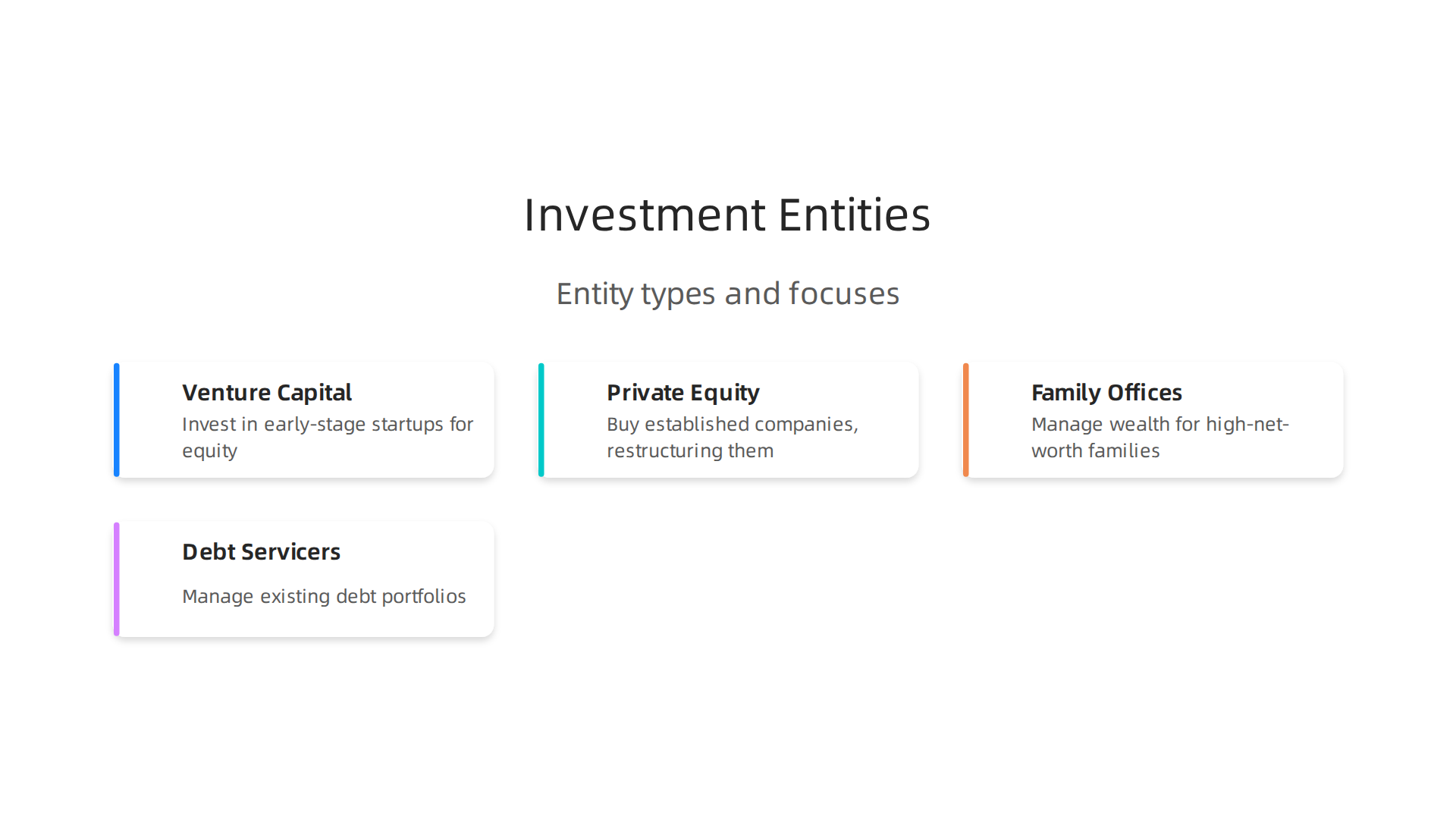
- Venture capital firms invest in early-stage startups for equity.
- Private equity firms buy established companies, often restructuring them.
- Family offices manage wealth for high-net-worth families and may invest directly in startups.
- Debt servicers like Resurgent Capital Services manage existing debt portfolios.
Resurgent falls firmly into the last category. It is not a source of startup capital. It is a company that handles the back end of consumer lending. If you are raising a seed round or a Series A, Resurgent Capital Services is not your target.
What Makes Resurgent Distinct?
Resurgent differentiates itself through a compliance-first approach. The company holds certification from RMAi (Receivables Management Association International), which signals a commitment to treating consumers fairly. It also invests in technology to create transparency in the debt collection process.
The company’s own site describes its mission as delivering exceptional customer service while creating an environment where talented people can thrive. It emphasizes integrity and community investment in both Greenville and Cincinnati.
For a founder, the key takeaway is this: Resurgent Capital Services operates in the debt space, not the equity space. Understanding this distinction helps you avoid pitching the wrong firms. If you want to learn more about the differences between venture capital and private equity, check out this breakdown of venture capital vs private equity for startup fundraising. It clarifies exactly which type of firm to approach at each stage of your company’s growth.
Now that you know what Resurgent Capital Services actually does, let us look at how it compares to other firms you might encounter on your fundraising journey.
How Resurgent Capital Services Fits Into the Investment Entity Landscape
The investment world is much bigger than most founders realize. When you start fundraising, you hear about venture capital firms and angel investors. But there are many other types of entities out there. Understanding the full landscape helps you avoid wasting time on the wrong ones.
Here is a quick map of the main types of investment entities you may meet:
-
Venture capital firms invest in startups for equity. They come in different sizes. Micro VCs write smaller checks for seed rounds. Multi-stage firms write bigger checks across later rounds. A 2026 guide on startup funding breaks down these types of venture capital firms so you can match your stage to the right fund.
-
Angel investors and angel groups are wealthy individuals who invest their own money. They usually write smaller checks than VCs but can move fast.
-
Family offices manage wealth for ultra-high-net-worth families. They are not bound by fund timelines like VCs. They can offer patient capital and flexible deal structures.
-
Corporate venture capital (CVC) is the investment arm of a large company. These funds often invest in startups that align with the company’s strategic goals.
-
Alternative capital providers include debt funds, revenue-based financing firms, and specialty finance companies. This is where Resurgent Capital Services lives.
Resurgent is not a capital provider for startups. It does not write equity checks or offer venture debt. It is a debt servicer. It buys and manages consumer debt portfolios. That makes it very different from firms like Opendoor Capital (a real estate investment platform), Denham Capital (a private equity firm focused on energy and infrastructure), Breakout Capital (a growth-stage VC), or Torchlight Investors (a real estate investment manager). Each of these entities plays a different role in the capital ecosystem.
How to Match Your Fundraising to the Right Entity
Your stage and sector tell you which entities to approach.

-
If you are building a high-growth tech startup, traditional VC or corporate venture capital may be the best fit. Learn more about how large companies are investing in startups through corporate venture capital for startup funding in 2026.
-
If you have a business that generates steady cash flow and can handle debt, alternative lenders or family offices may be a better option.
-
If you are in a capital-intensive sector like climate tech or deep tech, family offices often invest with longer time horizons.
The key is to know exactly what each entity does. Resurgent Capital Services handles debt collections. It is not a source of startup capital. Pitching them for a seed round is a waste of everyone’s time.
To stay informed about the trends that shape fundraising decisions and emerging technology shifts, many founders subscribe to daily briefings. You can get clear daily AI updates from The Deep View Newsletter to stay ahead of the curve.
Now that you know Resurgent Capital Services is a debt servicer and not a startup investor, you might wonder how it actually operates. The way it finds deals, checks them out, and supports its investments looks nothing like what a venture capital firm or family office does. Let us walk through the key operational differentiators.
Deal Sourcing Looks Completely Different
Resurgent does not scout for hot startups or attend demo days. Instead, it buys portfolios of consumer debt from banks, credit card issuers, and other lenders. These portfolios can include thousands of individual accounts at once. The sourcing process is data-driven and based on relationships with large financial institutions. In contrast, a VC firm spends its time meeting founders and reviewing pitch decks. A family office often finds deals through personal networks or co-investment platforms. If you want to see how a traditional investment firm sources and evaluates deals, check out how large private equity firms operate to understand the opposite end of the spectrum.
Due Diligence Focuses on Data, Not People
When Resurgent evaluates a debt portfolio, it does not interview a founding team or study a business plan. Its due diligence team runs statistical models to estimate how much of the debt can realistically be collected. They look at historical payment patterns, the age of the debt, legal documentation, and consumer credit profiles. This is a very different skill set from startup due diligence. For a venture capital or private equity deal, the typical investment due diligence process involves reviewing financials, market opportunity, management interviews, and legal structures. Resurgent’s analytical work is all about probability and recovery rates.
Post-Investment Support Means Collections
After Resurgent buys a debt portfolio, its job is to collect on it. The company uses call centers, letters, and sometimes legal action to recover money from consumers. There is no mentorship, no board seat, and no help with product development. This is a pure transaction model. Compare that to a venture capital firm, which provides strategic guidance, introductions to customers, and help with future fundraising rounds. A family office may offer patient capital and industry connections. The support models could not be more different.
Technology Plays a Big Role
Resurgent relies heavily on technology to manage its operations. It uses predictive analytics to score accounts, automated dialing systems, and customer relationship management software. The goal is to collect efficiently while staying compliant with regulations. This is a scale-driven business that depends on process optimization. While venture capital firms also use technology for deal sourcing and portfolio tracking, the tools and priorities are completely different. One is about recovery rates; the other is about growth and returns.
Partnership Models and Co-Investment
Resurgent sometimes partners with other debt buyers or lenders to purchase larger portfolios. It may also sell portions of its own portfolios to other servicers. These are co-investment opportunities, but they have nothing to do with startup equity. A family office, on the other hand, often prefers co-investing alongside venture capital funds to spread risk and gain access to better deals. Understanding these differences helps you avoid pitching the wrong entity. Resurgent is built for consumer debt, not startup growth. Knowing its operational model saves you time and keeps your fundraising efforts focused on the right targets.
Founder Considerations When Engaging With Investment Entities
Now that you know Resurgent Capital Services operates in the debt collection world, not startup investing, it is time to think about how you should approach any investment entity. Whether you are pitching an angel investor, a venture capital firm, or a larger fund, you need to do your homework. The same careful thinking that helped you understand Resurgent applies everywhere.

Here are the key factors every founder should check before engaging with an investment entity.
Alignment of Vision
Does the entity invest in your stage, sector, and geography? For example, some firms focus only on seed-stage startups. Others, like Denham Capital, prefer later-stage or infrastructure deals. If their vision does not match yours, you are wasting everyone’s time. According to the 2026 fundraising guide from SeedScope AI, "If your startup falls outside a VC’s thesis, you’re unlikely to win their attention no matter how strong your product is." That is a hard truth, but it saves you from painful rejections. Before reaching out, research their portfolio. Look for companies similar to yours. If you find none, move on.
Terms That Work for You
Terms go beyond valuation. You need to understand liquidation preferences, board seats, and option pools. A good rule is to push for standard 1x non-participating liquidation preferences and keep the option pool as small as possible for your hiring plan. If an entity offers unusual terms, ask why. Lack of transparency on terms is a red flag. Information asymmetry happens when the investor knows more than you. Protect yourself by learning common term sheet structures before you negotiate.
Network and Expertise
Does the investor have a network that can help you? A venture capital firm with deep connections in your industry can open doors to customers, partners, and future co-investors. On the other hand, a firm like Opendoor Capital or Breakout Capital might specialize in consumer debt or real estate, offering little strategic value for a tech startup. Check their past investments. If their expertise does not match your needs, the relationship will feel hollow. You are looking for more than money.
Common Pitfalls to Avoid
- Misaligned incentives: Some investors want quick exits. Others want long-term growth. Know which camp they fall into before you sign.
- Lack of transparency: If they dodge questions about their investment history or terms, walk away.
- Too-good-to-be-true promises: A fund that claims to connect you with everyone but has a weak portfolio likely lacks real influence.
Your Due Diligence Checklist
Before you engage with any entity, complete this checklist:
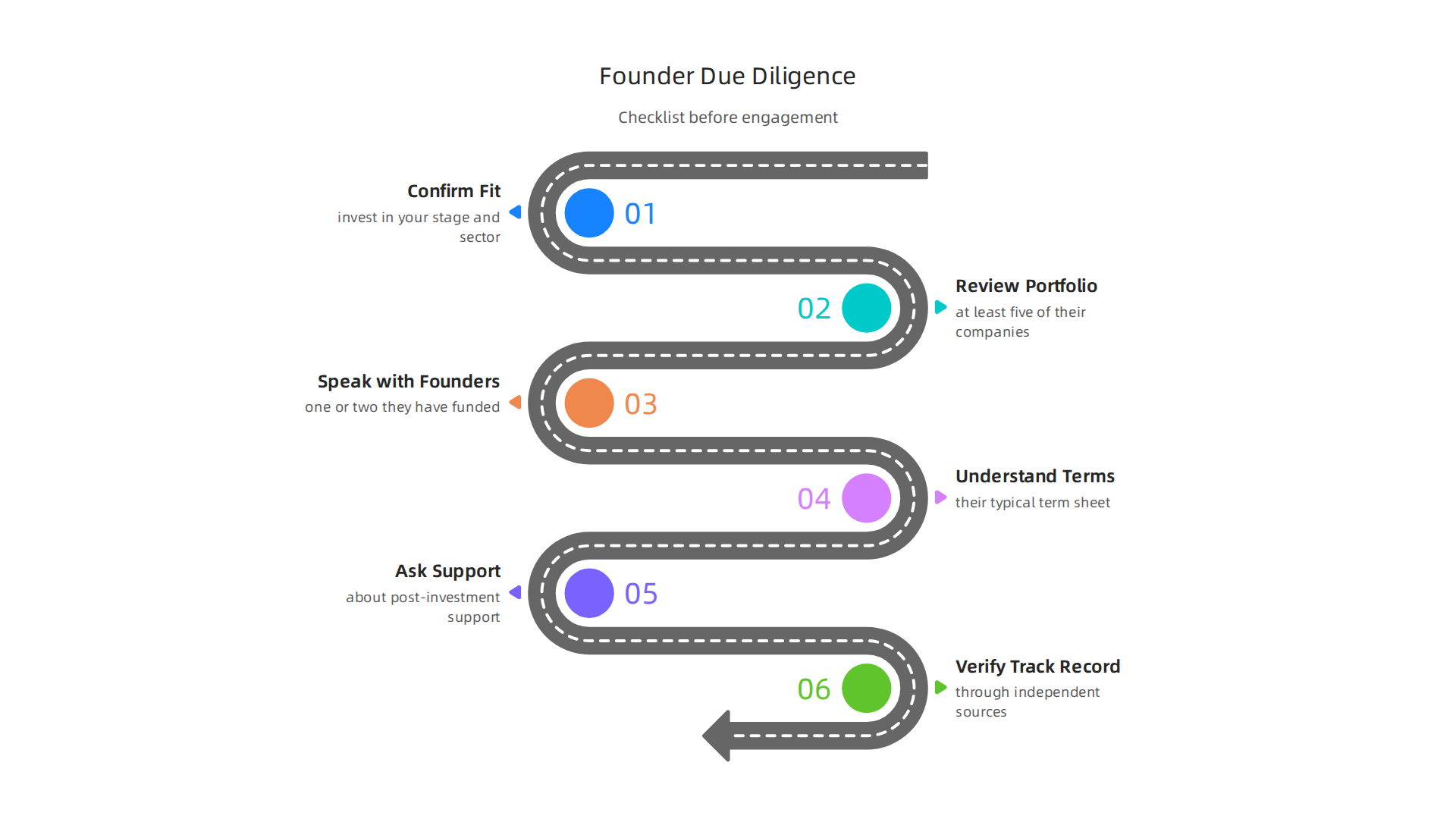
- Confirm they invest in your stage and sector
- Review at least five of their portfolio companies
- Speak with one or two founders they have funded
- Understand their typical term sheet
- Ask about post-investment support
- Verify their track record through independent sources
For a deeper comparison of how venture capital and private equity differ, read this guide on the critical difference between venture capital and private equity for startup fundraising. It will help you understand what to expect from different types of investors.
Staying informed is your best defense. As you research entities, keep up with daily AI and tech market intelligence. The Deep View Newsletter delivers clear updates every day so you never miss a shift in investor sentiment. It is one of the smartest habits you can build as a founder.
Market Trends in 2026: The Rise of Specialized Investment Entities
The investment landscape is shifting fast in 2026. If you are a founder trying to raise capital, you need to understand where the money is sitting and how new structures are changing the game. The old spray-and-pray approach is gone. Instead, capital is concentrating in fewer hands, and specialized investment entities are taking center stage.
Let us start with the big picture. Global dry powder across private equity, venture capital, and other private funds has reached over $2 trillion. That is a record amount of money waiting to be deployed. But here is the catch. The capital is not spread evenly. According to the 2026 Venture Outlook on LinkedIn, nearly $300 billion in dry powder sits undeployed, and over 50 percent of it is controlled by funds of $500 million or more. Mega-funds are dominating deal activity while emerging managers struggle to raise.
At the same time, sector rotation is accelerating. AI captured 65 percent of all venture capital dollars in 2025, and that trend continues into 2026. Healthcare infrastructure, climate tech, and defense tech are also pulling in serious allocations. Global venture investment in defense tech jumped 75 percent from 2024 to 2025, as noted in the Silicon Valley Bank global private market trends report. Climate-focused funds alone hold $90 billion in dry powder as of Q1 2026, according to the CTVC dry powder report.
Interest rates are finally easing, which should boost dealmaking. The Finalis analysis on dry powder notes that investors are pricing in a 62.1 percent chance of a rate cut by September 2025, and declining rates make leveraged buyouts more attractive again. That means 2026 is shaping up as a strong year for exits and new deployments.
Alongside these macro trends, new investment vehicles are emerging. Special purpose vehicles (SPVs) allow groups of investors to back a single startup without forming a full fund. Rolling funds let fund managers raise capital continuously from a pool of limited partners. Tokenized funds use blockchain to offer fractional ownership of private assets. These structures give founders access to more flexible capital sources. A list of 50 new venture funds to pitch in 2026 from Foundersuite shows how diverse the fundraising landscape has become.
So how might an entity like Resurgent Capital Services evolve in this environment? While Resurgent is known for debt collection rather than startup investing, the same forces apply. Specialized entities in the debt space could launch their own rolling funds or SPVs focused on distressed consumer debt or debt recovery technology. They might partner with AI-driven platforms to improve collection efficiency and attract institutional capital looking for yield in a low-rate world. The rise of sector-specific funds means even non-traditional players can reinvent themselves as targeted investment vehicles.
For founders, staying ahead of these shifts is critical. You need to know which pockets of dry powder match your sector and stage. You also need to understand that new vehicles like rolling funds can offer faster, more aligned capital than traditional VC.
If you want to track these changes daily, consider subscribing to a resource that cuts through the noise. The AI Newsletter Worth Reading delivers clear, daily updates on AI, tech markets, and investor sentiment. It is one of the smartest habits you can build as a founder navigating 2026’s complex funding environment.
Navigating Fundraising Complexity With Expert Insights
You now understand the 2026 landscape. You know where the dry powder sits and which sectors are hot. But knowing the market is not enough. The real work begins when you sit down to pitch an investor. And not just any investor. You might be pitching a specialized entity like Resurgent Capital Services, a firm like Breakout Capital, or a family office such as Torchlight Investors. Each has a different lens. So how do you craft a pitch that actually lands?
Build a Pitch That Shows You Did Your Homework
Alternative investment entities care about one thing above all else: alignment with their thesis. If your startup does not match their stage, sector, or geography, you are wasting everyone’s time. A good rule of thumb is to research each firm’s focus before reaching out. The article on early-stage startup funding in 2026 suggests you look at a firm’s portfolio and check size before you even draft an email. Personalize your outreach. Show them you understand what they back and why your company fits.
Your pitch deck needs to hit the 4Cs. It should be clear, credible, contagious, and commercial. That means you start with the problem, not your product. You prove you are the right team. You show measurable traction even if it is early. And you make it clear how the investor gets a return.
Get Your Data Room, Financial Model, and Legal Docs Ready
In 2026, due diligence moves fast. LPs now expect a response to a DDQ within five days. That means you need your data room ready before you start talking to anyone. According to the LP due diligence checklist for fund managers in 2026, about 80 percent of DDQ questions are standard across all investors. Your financial statements, cap table, valuation policy, and compliance documents should be organized and accessible. Use a virtual data room with clear folder structures and role-based permissions. This shows you are professional and reduces friction.
Your financial model must be realistic and defensible. Stress-test your assumptions. Be ready to discuss your gross margins, customer acquisition cost, and burn rate without hesitation. Also, make sure your legal house is in order. A clean cap table and proper corporate governance signal that you are ready for serious capital.
Lean on Advisors and Accelerators to Sharpen Your Position
You do not have to do this alone. Advisors and accelerators can help you refine your pitch, connect you with the right investors, and speed up your fundraising process.

They bring experience and credibility. A good accelerator can also help you practice your story until it feels natural. If you want to go deeper on how to frame your technology for funders, check out this guide on framing tech for fundraising success.
Market trends tell you where the money is flowing. But expert insights tell you how to actually get your share of it. And if you want to stay on top of the latest shifts in investor behavior and technology trends, consider a daily resource that cuts through the noise. The AI Newsletter Worth Reading gives you clear, actionable updates every day. It is a smart habit that keeps you sharp as you navigate the fundraising process in 2026.
Case Studies: Successful Fundraising With Alternative Capital
Theory is helpful. But real stories show you what actually works in practice. Let us look at how real startups secured funding from alternative capital providers in 2026.
A Fintech Startup That Partnered With Resurgent Capital Services
One early-stage fintech company needed growth capital but did not fit the typical venture capital mold. Their revenue was solid. But their asset-heavy model scared off traditional VCs. That is when they turned to Resurgent Capital Services.
Resurgent Capital Services specializes in alternative credit and structured capital solutions. The fintech team studied the firm’s portfolio. They saw Resurgent backed asset-backed lending models in fintech. So they tailored their pitch around collateral quality and repayment history instead of hyper-growth metrics.
The result was a $12 million structured debt facility. The founder later said the key was showing how their assets matched exactly what Resurgent Capital Services looked for. The lesson: know the firm’s thesis inside out before you pitch.
A Climate Tech Startup and Torchlight Investors
A climate tech company building renewable energy infrastructure needed patient capital. They found Torchlight Investors, a firm that backs long-term infrastructure plays. The startup presented a 10-year model showing steady returns rather than a quick exit.
Torchlight Investors liked the alignment with their own time horizon. The deal closed in four months. The lesson: match your timeline to your investor’s timeline.
A Real Estate Platform and Breakout Capital
A proptech startup needed bridge financing to expand into new markets. They approached Breakout Capital, a firm known for flexible debt solutions for growing companies. The startup had a clean data room and a strong payment history from existing clients.
Breakout Capital provided a $5 million credit facility within six weeks. The founder credited their organized financials for the speed. The lesson: have your data room ready before you reach out. Other firms like Opendoor Capital and Denham Capital use similar diligence approaches, so being prepared saves time across the board.
Key Lessons From These Stories
These cases share three common themes:
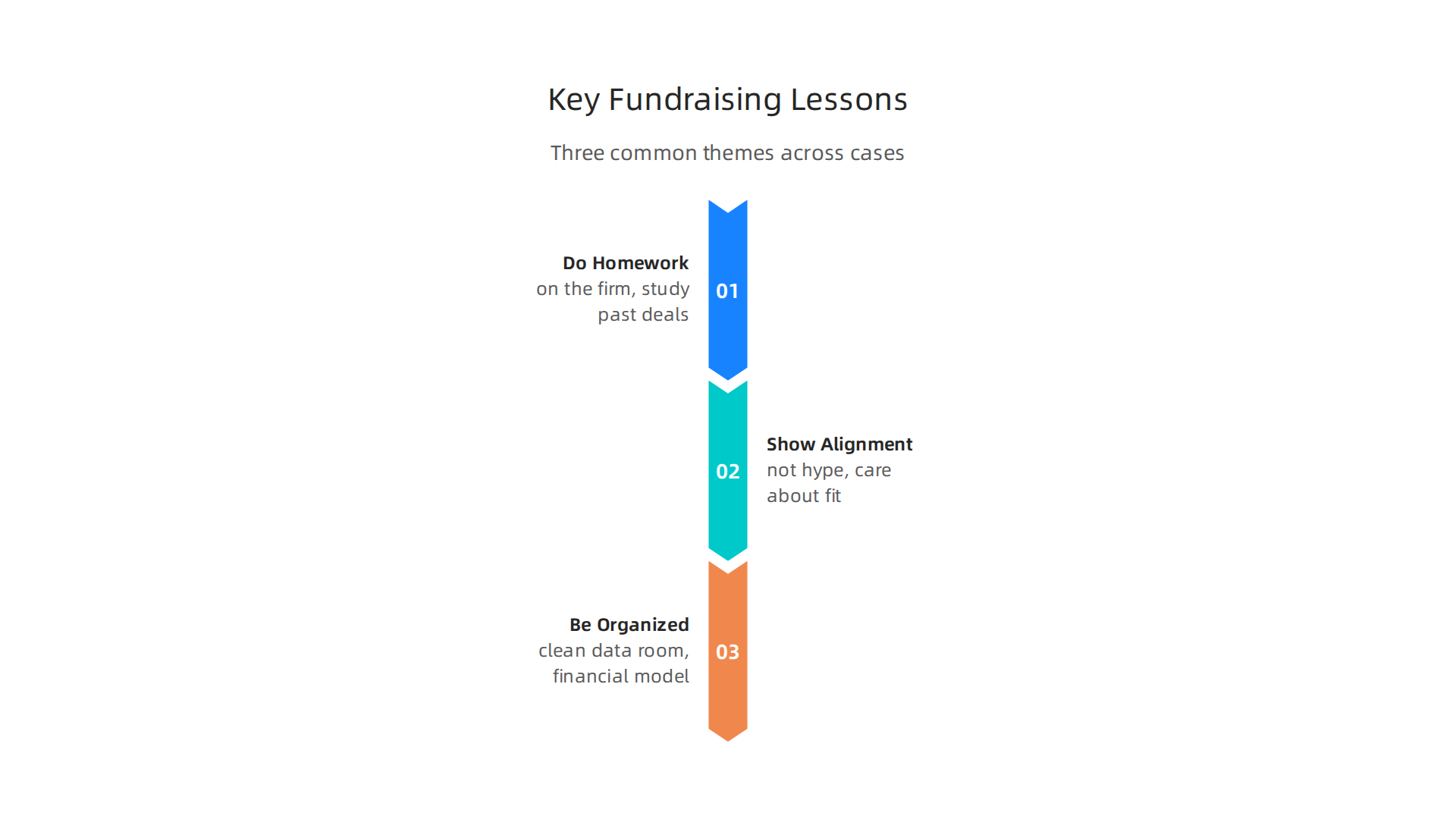
- Do your homework on the firm. Whether pitching Resurgent Capital Services or Torchlight Investors, study their past deals.
- Show alignment, not hype. Alternative capital providers care about fit, not flash.
- Be organized. A clean data room and clear financial model speed up the process.
The global alternative investment landscape includes many specialized players. Firms like Investcorp offer capital across private equity, real assets, and credit. Understanding how these firms operate helps you position your startup better. Dig deeper into the strategies of major alternative players with this look at the KKR private equity journey.
These stories prove that alternative capital is not a last resort. It is a strategic choice. And the founders who succeed are the ones who treat it that way. To stay sharp on the latest shifts in fundraising trends and alternative investment moves, get clear daily AI updates from The Deep View Newsletter. It keeps you ahead of the curve.
Summary
This article helps founders cut through the confusion of modern fundraising by explaining what Resurgent Capital Services actually does and where it sits in the investment ecosystem. It clarifies the difference between debt servicers and equity investors, maps the main investor types you’ll meet, and shows how to match your stage and asset profile to the right sources of capital. You’ll learn operational contrasts—how Resurgent sources portfolios, runs data-driven diligence, and focuses on collections versus how VCs evaluate teams and growth—and see practical guidance on preparing your data room, term negotiation, and pitch. Case studies illustrate when alternative or structured capital can be the right fit, and market trends for 2026 explain where dry powder and new vehicles are moving. By the end, you’ll know which firms to avoid, which to target, and the concrete steps that speed up a successful fundraiser.