
Finding startup funding in 2026 is harder than ever. Investors see thousands of pitch decks each year, and standing out takes more than a great idea.

You need access to the right people, resources, and strategic support. That is where corporate innovation hubs come into play. These are collaborative spaces where big companies invite startups to work side by side with them. They offer funding, mentorship, and real-world testing grounds. It is a win-win.
One standout example is the Comcast Technology Center in Philadelphia. This hub gives founders more than office space. It connects them with deep industry knowledge, potential customers, and strategic capital. The model is changing how startups raise money. Instead of cold emails to venture capitalists, you can build relationships through shared innovation. This shift is part of a larger trend that blends corporate venture capital with applied innovation.
In this article, we will explore how hubs like the Comcast Technology Center help you overcome funding challenges. You will learn what makes these spaces work and how you can use them to grow your startup.
According to a recent overview, an innovation hub is a collaborative space where ambitious minds share resources and push boundaries. That kind of environment is exactly what founders need to attract serious investors.
To stay ahead of fast-moving tech trends, it pays to get smart daily updates. That is why many founders rely on The AI Newsletter Worth Reading for clear, actionable AI insights that can shape your next fundraising move.
If you are curious about how large companies are reshaping startup financing, check out our deep dive on corporate venture capital as the new power broker. It pairs perfectly with the hub model.
The Evolution of Corporate Innovation Hubs
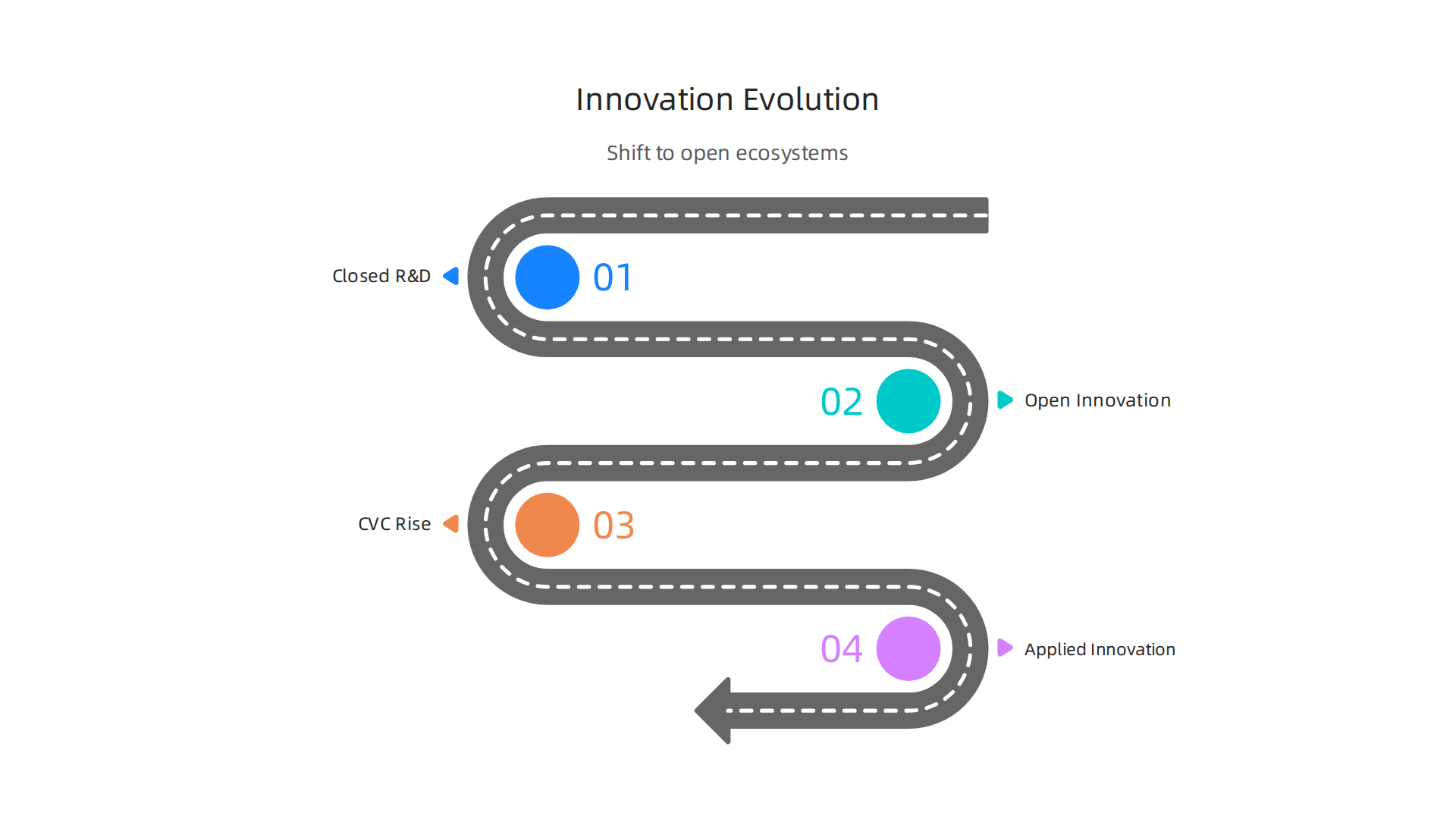
Corporate innovation did not always look this way. For decades, big companies kept their research and development locked behind closed doors. Think of classic R&D labs like Bell Labs or Xerox PARC. They produced amazing breakthroughs, but the work stayed internal. Startups had no seat at the table.
That model has flipped completely. In 2026, the smartest companies open their doors to outside founders. This shift is called open innovation. It means sharing ideas, talent, and even funding with startups. The Comcast Technology Center is a perfect example of this new thinking. It is not just a lab for Comcast. It is a hub where external startups work alongside corporate teams, testing new products and finding investors.
Why the change? Big companies realized they cannot invent everything themselves. External startups move faster and bring fresh ideas. By working with them, corporations get early access to new technology and potential acquisition targets. Startups get mentorship, customers, and capital.

This two-way street creates a powerful applied innovation engine that benefits both sides.
The rise of corporate venture capital (CVC) programs accelerated this trend. Instead of writing small grants, companies now invest directly in startups through dedicated funds. They also run accelerator programs that feed into their innovation line of business. Comcast, for example, invests in media and connectivity startups through its hub and venture arm.
This evolution from closed R&D to open ecosystems is not accidental.
Research from the Garwood Center for Corporate Innovation at UC Berkeley shows that companies using open innovation models grow faster and attract better partnerships. The data backs up what founders already feel: joining a corporate hub gives you a massive advantage over going it alone.
If you are building a startup today, understanding this landscape helps you position yourself better. Knowing which companies invest in external innovation tells you where to pitch. For a deeper look at how investors evaluate different types of tech companies, check out our guide on tech company categories that attract investors. It gives you a strategic edge when approaching corporate innovation hubs.
Inside the Comcast Technology Center: Infrastructure and Strategy
The Comcast Technology Center in Philadelphia is built for more than just office work. It is a 60-story skyscraper designed to bring corporate teams and outside founders together under one roof.
The building itself sends a clear message: real innovation happens when people collaborate face to face.
Physical design and collaborative workspaces
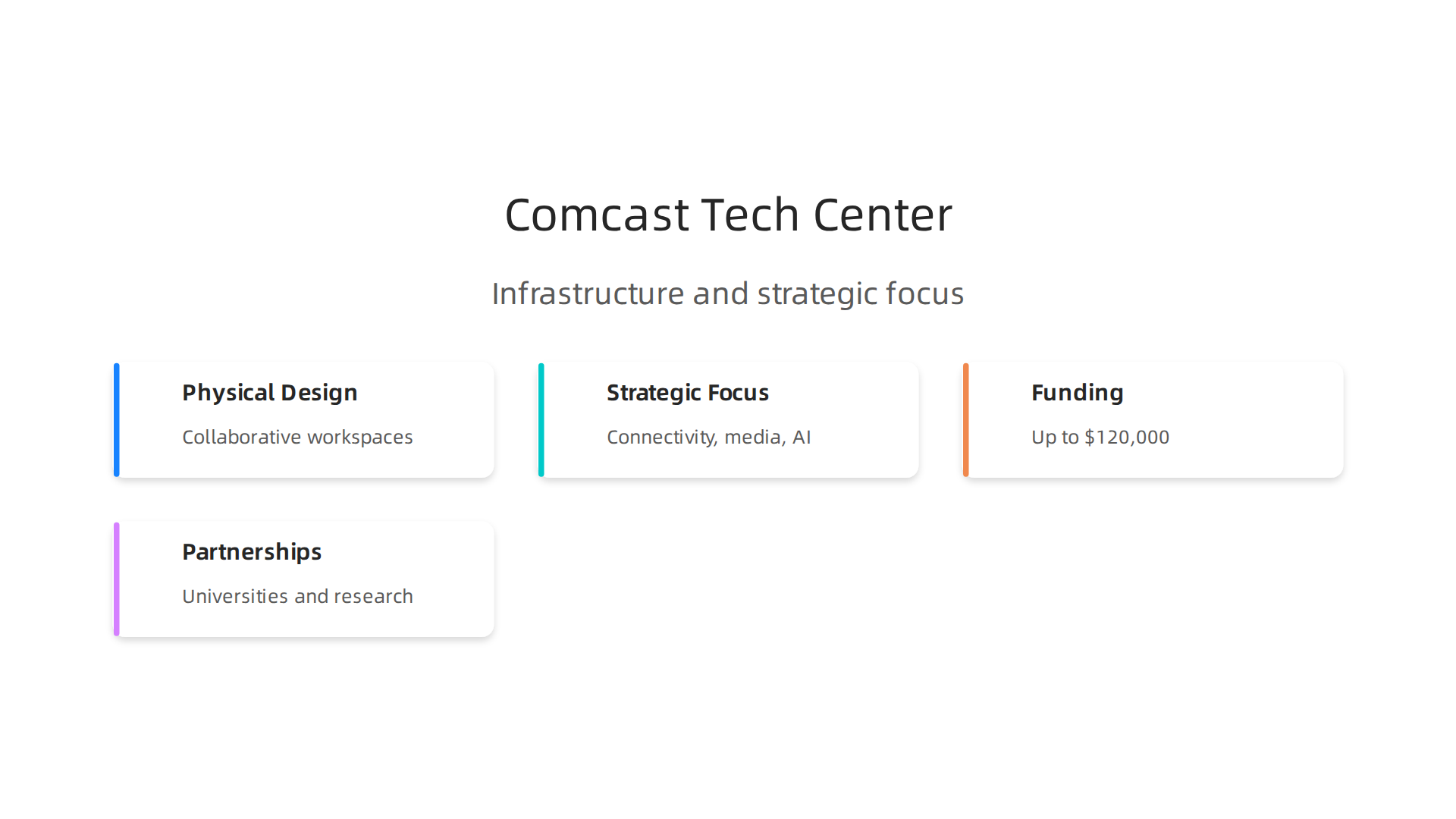
Three full floors of the Comcast Technology Center are dedicated to LIFT Labs, the company’s startup program. The space includes an 80,000 square-foot broadcast center and a two-floor, 500-seat amphitheater called the Ralph J. Roberts Forum. Startups accepted into the accelerator work right alongside Comcast engineers in open workspaces. This setup makes it easy to test products, get direct feedback from real customers, and find early adopters. The Comcast Technology Center campus features include production studios, meeting rooms, and event spaces perfect for demos and investor pitches.
Strategic focus areas: connectivity, media, AI
Comcast focuses on three big areas when choosing startups: connectivity, media, and entertainment. In 2026, artificial intelligence has become central to this strategy. Startups building AI-powered media tools, next-generation connectivity hardware, or smart entertainment platforms are the best fit for the program.
The 12-week accelerator program, powered by Techstars, gives each startup up to $120,000 in funding. Results from past cohorts show real traction. According to how Comcast NBCUniversal’s LIFT Labs created a startup program, eight out of ten companies in the first cohort worked with Comcast business leads by the end of the program. Two signed master services agreements, and one got direct funding from Comcast Ventures.
Partnerships with universities and research institutions
The Comcast Technology Center sits in Philadelphia’s University City area, surrounded by major research universities. Comcast partners with these schools to find new talent and emerging technologies. Startups in LIFT Labs get access to this academic network, which helps them validate their research and sharpen their products before going to market.
For founders who want to understand how corporate innovation programs connect to broader funding strategies, learning about corporate venture capital power in startup funding can help you pitch more effectively to companies like Comcast.
Technology moves fast, especially in AI. To stay current on the trends that affect startup fundraising every day, subscribe to The AI Newsletter Worth Reading. It delivers clear daily updates on the AI developments that matter most to founders and investors.
How the Comcast Technology Center Catalyzes Startup Fundraising
The Comcast Technology Center does not just give startups a desk and Wi-Fi. It actively helps them raise money.
For founders trying to secure their next round, the building itself acts as a launchpad. Here is how.
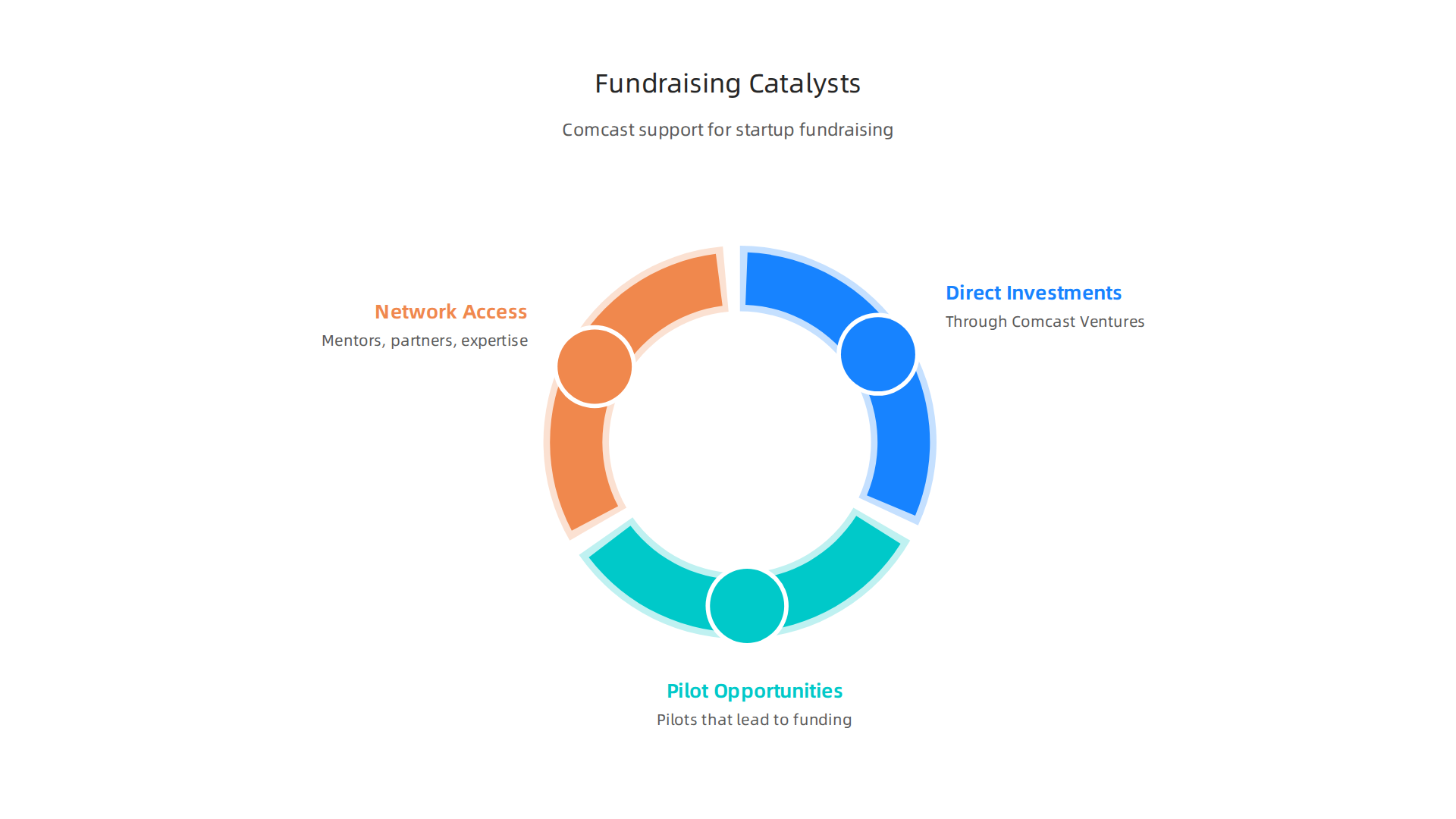
Direct venture investments through Comcast Ventures
One of the most powerful tools inside the building is Comcast Ventures. This corporate venture arm invests from seed to late stage. Initial investments typically range from $2 million to $15 million. The portfolio has grown to nearly 100 companies. There is even a special fund called the Catalyst Fund that backs minority-led tech startups. Being inside the Comcast Technology Center puts you right in front of the people who decide where that money goes. As the company’s Comcast NBCUniversal LIFT Labs for Entrepreneurs announcement explains, Comcast Ventures invests in technologies that will change how people live and work.
Pilot and partnership opportunities that lead to funding
Most startups do not get funded by walking into a bank. They get funded by proving their product works. The Comcast Technology Center gives them a real customer to test with. Through programs like LIFT Off, startups run proof of concept tests inside Comcast businesses. In the first accelerator class alone, eight out of ten companies were working with Comcast business leads by the end of the program. Two signed master services agreements, and one received direct funding from Comcast Ventures. These pilot opportunities are often the stepping stone to a bigger check.
Access to Comcast’s network and expertise
Beyond money, the Center connects startups to a deep bench of mentors, engineers, and business leaders. Startups get workshops on fundraising, corporate partnerships, and public relations. They sit side by side with experienced founders and subject matter experts. This kind of access helps founders sharpen their pitch and avoid common mistakes. If you want to learn more about the tools that can help you stand out to investors, check out our guide to tech tools for startups that attract investors.
The Comcast Technology Center turns a physical location into a funding engine. For startups in connectivity, media, and entertainment, it is one of the best places in Philadelphia to build a company and raise capital.
Real-World Success Stories: Startups That Raised Capital via Comcast
The numbers tell a clear story. Since the Comcast NBCUniversal LIFT Labs accelerator launched in 2018, more than 80% of participating startups have landed a proof of concept, pilot, or commercial deal with Comcast. The alumni have raised over $136 million in total. That is real money from a real partnership.
One early success from the first accelerator class
In that very first cohort, eight out of ten companies were already working with Comcast business leads by the end of the program. Two of them signed master services agreements. One startup received direct funding from Comcast Ventures. These aren’t just nice stories. They show how the Comcast Technology Center turns a corporate relationship into a funding path. You can read the full details on how the Comcast NBCUniversal LIFT Lab created its startup program in an in-depth interview.
What founders learn from the partnership
The biggest lesson is that you need to prove your product works inside a real business environment. Comcast gives startups the chance to test their technology directly with actual customers and internal teams. That kind of validation is priceless when you go to pitch other investors. The feedback alone helps founders sharpen their offering. As one LIFT Labs leader put it, "It’s really important to be out there and talk to people." That is the core of what the Center offers: real exposure, real feedback, and real deals.
How the program fuels long-term growth
The impact goes beyond a single check. Startups that go through the accelerator gain credibility, a strong reference customer, and a network of mentors who understand enterprise sales. That combination helps them raise larger rounds later. If you want to understand how this kind of corporate venture capital relationship works at scale, check out our deep dive into why corporate venture capital is the new power broker in startup funding.
Stay ahead of the trends that drive these partnerships
The tech landscape keeps shifting. New themes like generative AI are already shaping the next wave of accelerator programs. To keep up with the tools and strategies that matter most for founders, get clear daily AI updates from The AI Newsletter Worth Reading. It delivers the insight you need to spot opportunities before they become common knowledge.
What Founders Can Learn from the Comcast Model
The Comcast Technology Center is more than a building. It is a playbook for how startups can land corporate partnerships and raise capital. If you want to follow that path, there are three lessons worth stealing.
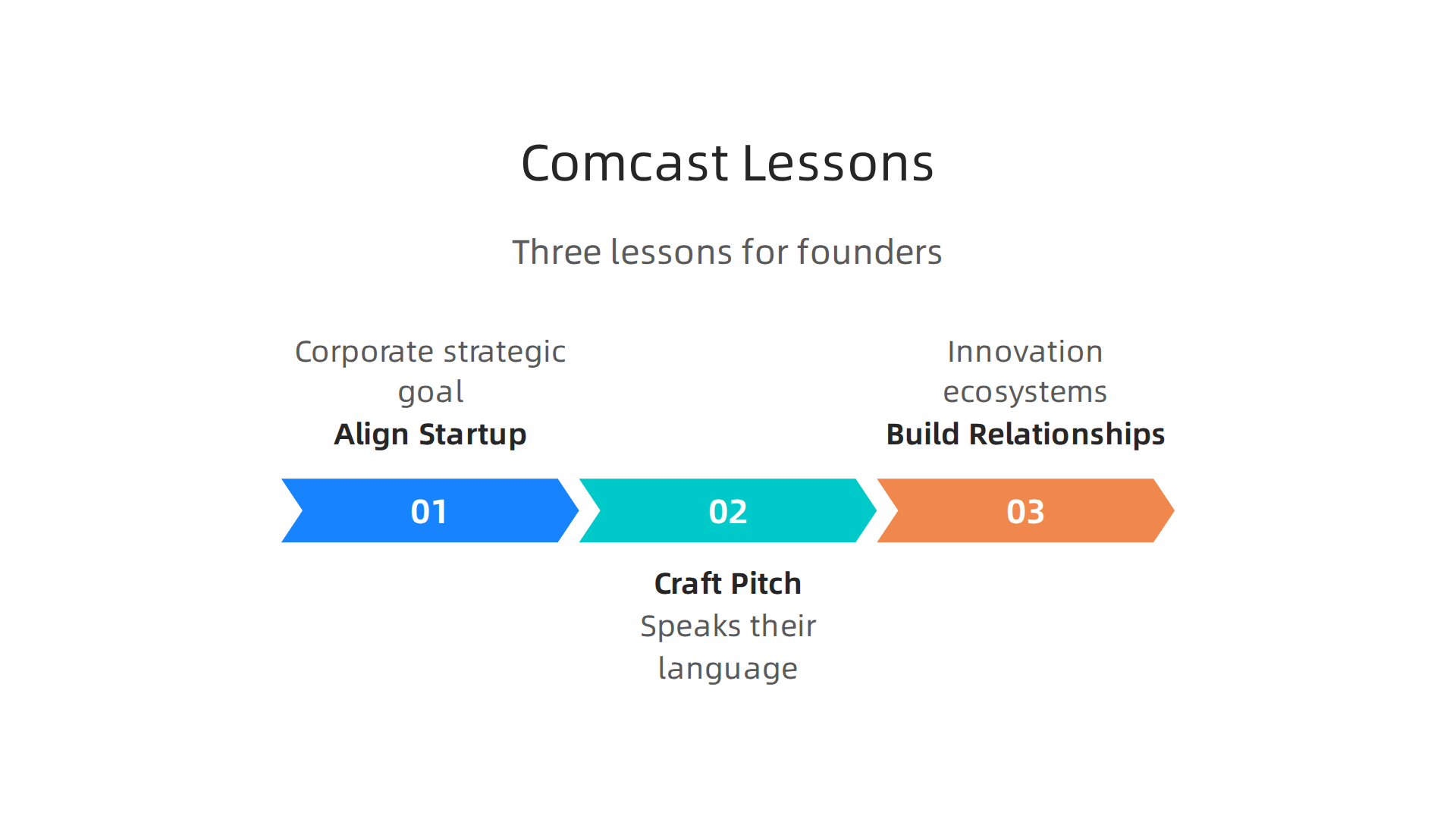
Align your startup with a corporate strategic goal
Comcast does not invest in random ideas. Every accelerator theme ties directly to what the company needs next. In 2023, Comcast launched a six-week program focused entirely on generative AI. The goal was clear: find startups that could help the company explore new opportunities in that space. In 2026, Comcast innovation chief Sam Schwartz continues driving that same approach. The lesson for founders is simple. Before you pitch a corporate partner, study their public priorities. Find the gap your product fills inside their roadmap. If you cannot explain how your startup helps them move faster on something they already care about, your pitch will fall flat.
Craft a pitch that speaks their language
Corporate investors think differently than angel investors. They want proof that your technology works inside a real business. That is why Comcast’s LIFT Labs model emphasizes pilots and proof of concept deals. Over 80% of portfolio companies land one. When you pitch a corporate partner, skip the vision deck. Lead with the specific problem you solve for their customers or internal teams. Show them a small test case they can run in weeks, not months. That is what makes them say yes.
Build relationships inside innovation ecosystems
The Comcast Technology Center does not just hand out checks. It connects founders to mentors, business leads, and other startups. That ecosystem is where the real value lives. Founders who engage early and often get the most out of the relationship. They attend the events. They ask for feedback. They follow up. If you want to build the same kind of momentum in your own city, start by finding your local innovation hubs and showing up consistently. For more on how to frame your technology story in a way investors actually understand, check out this guide on how to master framing tech for startup fundraising success.
The Competitive Edge: Corporate Hubs vs. Traditional VCs
Now you understand the Comcast playbook. But here is the big question: is a corporate hub like the Comcast Technology Center a better bet than a traditional VC firm? The honest answer is that it depends on what you need.
Two different motivations
Traditional VCs exist to make money. They raise pools of cash from outside investors, charge management fees, and chase high returns within a set time frame. As the Ask a MoFo comparison of traditional VC vs corporate venture capital explains, VCs prioritize financial returns first and foremost.
Corporate hubs work differently. They use what is called corporate venture capital, or CVC. Their main goal is strategic. They want early access to new technology, new markets, and fresh ideas that strengthen their own business. Financial returns matter, but they sit in the back seat.
What that means for you as a founder
When a traditional VC invests, they want fast growth and a fast exit. When Comcast LIFT Labs invests, they want you to grow in a way that helps them too.

That usually means more patience. It also means real support: distribution channels, customer access, and deep industry knowledge that no standalone VC can offer.
But there is a trade-off. Corporate partners move at a slower pace. Their priorities can change when leadership shifts. And they may ask for exclusive rights to your technology down the road.
When to choose each path
Pick a traditional VC when you need fast capital, total independence, and a clear timeline to exit. Pick a corporate hub when your product fits naturally inside a larger company’s roadmap. If you can help a corporate partner solve a problem they already care about, the strategic value of their investment will beat any check a traditional VC writes.
For a deeper look at how this trend is reshaping startup funding, check out this article on corporate venture capital as the new power broker in startup funding.
And if you want to stay informed about the technology trends driving these shifts, The AI Newsletter Worth Reading delivers clear daily updates to your inbox.
Navigating the Application and Partnership Process
So you want to work with the Comcast Technology Center. Great. But getting in is not as simple as filling out a web form. Comcast LIFT Labs runs a real vetting process. They look for startups that fit specific needs. Here is how to approach it step by step.
Step one: Understand what they want
Comcast does not invest in just any startup. They look for companies that match their strategic goals in media, entertainment, connectivity, and applied innovation. Your product should solve a real problem inside their world. If you are working on something in Viant Technology’s space or along the innovation line of next generation connectivity, you have a better shot.
According to the guide on corporate venture capital for startups, the real value of CVC comes from access to industry expertise and distribution. That means Comcast wants to see that you can use those resources to grow fast.
Step two: Apply with precision
When you apply to LIFT Labs, be specific. Do not send a generic pitch. Show that you understand Comcast’s business. Explain how your technology fits into their ecosystem. Mention how you can help them serve their customers better. This is not about hype. It is about fit.
Step three: Network the right way
Comcast executives attend industry events, demo days, and startup showcases. Go to those events. Find the people who run LIFT Labs. Ask smart questions about what they are building. Follow up with a short note that connects your startup to their goals. Do not be pushy. Be helpful.
If you want to learn more about the broader landscape of how corporate partnerships can accelerate your growth, check out this guide to Detroit startups leading innovation. It shows how founders are finding success by aligning with strategic partners.
Step four: Be patient but persistent
Corporate decision cycles are slower than VC firms. Comcast needs internal alignment before saying yes. So follow up every few weeks. Share progress updates. Keep your company front of mind without being annoying.
The Comcast Technology Center is not easy to get into. But if you match their strategic needs and follow these steps, you have a real shot at a partnership that changes everything.
Key Metrics for Evaluating Corporate Innovation Hubs
So you are looking at the Comcast Technology Center and wondering how it stacks up against other hubs. Good. You need a clear way to compare them. Not all innovation hubs are the same. Some focus on early stage startups. Others want later stage companies. Some throw big money around. Others give smaller checks but offer more hands on help.
Here are the key metrics to look at when evaluating any corporate innovation hub, including the Comcast Technology Center and others in the applied innovation space.
Investment size and stage focus
First, check how much money the hub puts into startups. Some hubs invest millions. Others invest in the hundreds of thousands. Then look at their stage focus. Do they prefer seed stage startups or Series A and beyond? The Comcast Technology Center tends to focus on growth stage companies that can scale quickly. That is different from an early stage accelerator. According to the guide on measuring innovation performance, one key input metric is R&D investment as a percentage of sales. Hubs that invest more heavily in later stages expect faster commercial results.
Sector alignment
Next, look at sector alignment. Does the hub focus on media, entertainment, connectivity, or something else? The Comcast Technology Center specializes in areas like Viant Technology and next generation connectivity. If your startup is in a different space, the hub may not be the right fit. Compare the hub’s sector focus with your own product. A mismatch means less support and fewer connections.
Success rate and time to funding
Success rate matters. How many startups actually get funding or partnership deals through the hub? Some hubs have a high success rate because they are selective. Others have a low rate because they take in many startups. Also look at average time to funding. Corporate hubs often move slower than pure VC firms because they need internal alignment. The innovation metrics framework from Highline Beta suggests measuring time to market as a key KPI. For a hub, that means how fast they can help you get to a funded pilot or contract.
How to compare different hubs
Make a simple table in your head. Write down investment size, stage focus, sector alignment, success rate, and time to funding. Then rank each hub. This helps you decide where to put your energy.
If you want to stay on top of the latest trends in technology and startup funding, The AI Newsletter Worth Reading delivers clear daily updates. It helps you spot which innovation hubs are leading the pack and where the smart money is going.
Summary
This article explains how corporate innovation hubs—physical and programmatic spaces where big companies work side-by-side with startups—have become a powerful path to funding in 2026. Using the Comcast Technology Center and its LIFT Labs accelerator as a detailed example, it describes the facilities, strategic focus areas (connectivity, media, AI), and the specific funding and pilot opportunities available to founders. You’ll learn how Comcast pairs a 12-week Techstars-powered program (up to $120,000) with access to Comcast Ventures (typical checks $2M–$15M), internal pilot customers, and university partnerships to accelerate validation and capital raises. The piece covers practical application steps, how to craft pitches that align with corporate goals, and the trade-offs between corporate venture capital and traditional VCs. It also lays out the key metrics to compare hubs—investment size, stage focus, sector fit, success rates, and time to funding—and shares real outcomes like pilot conversion rates and alumni financing. After reading, founders will know when to pursue a corporate hub, how to position their startup, and what to expect from the partnership process.