
Why Detroit Matters Now for Startup Builders and Investors
Detroit is back, and it’s not just a slogan anymore. In 2026, this historic city is changing fast, making a big name for itself as a new kind of "startup nation Detroit." Gone are the old ideas of just cars and factories. Today, Detroit is a buzzing place where new ideas and businesses are taking off. People are starting to see it as one of the top US startup cities and a true innovation center.
Many cities want to be known for new businesses, but Detroit truly stands out. It’s quickly becoming a place where founders and investors are finding lots of new chances. Experts agree that strong local support and new ideas are key for any "innovation ecosystem" to grow well. This city has truly worked hard to build such a helpful environment for startups.
If you’re looking to build something new or invest in a growing market, Detroit offers a fresh landscape.

This article will show you exactly why. We will explore the many good things Detroit has to offer, like its helpful groups and affordable spaces. We’ll look at different ways to get money for your startup, and give you clear steps to follow as a founder. Understanding how technology plays a role, for example, can really help you get noticed by investors, because Founders Who Understand Computer Systems Technology Attract More Investors.
Detroit’s story is still being written, and it’s full of exciting possibilities for those ready to join in. For more daily insights into what’s happening in tech and innovation, get The AI Newsletter Worth Reading from The Deep View.
Detroit’s Unique Assets: Industry, Manufacturing, and Cross-Sector Opportunities
Detroit isn’t just known for new ideas because it has a fresh start. Actually, its strong history in making things is a huge advantage for today’s new businesses. This city’s deep roots in industry and manufacturing create special chances for startups that you don’t find everywhere else. It’s what makes Detroit a unique startup nation Detroit.
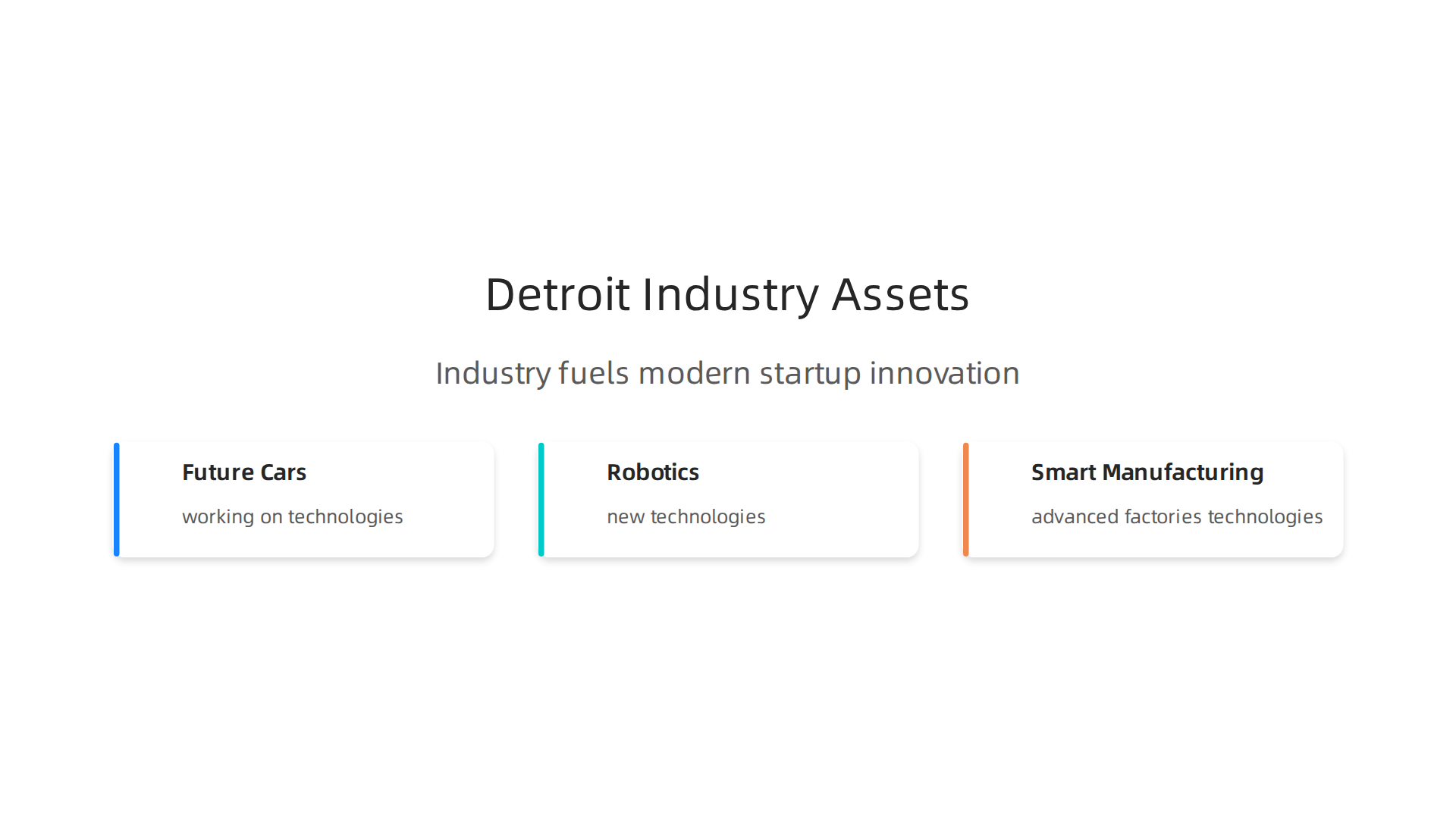
Think about it: Detroit has always been a place where big things are built. This means it has a lot of know-how in areas like making cars, new ways to move around (mobility), and advanced factories. These are not just old ideas; they are turning into modern opportunities for an innovation center. For example, many startups in Detroit are now working on technologies for future cars, robotics, and smart manufacturing.
This mix of old and new makes Detroit stand out among other US startup cities.
One of the biggest helpers for new companies here is the strong local network of suppliers and big businesses. When a startup needs special parts or materials, it can often find them right in Detroit. This is called a local supply chain. These local connections make it easier and faster for startups to build their products. Plus, big companies in Detroit are often looking for new ideas and technologies. They become important partners, helping smaller companies, often called scaleups, test their products and find new customers. This kind of teamwork between established businesses and new startups helps everyone grow.
These types of partnerships and strong local support are important for any good business area. They help new companies get the things they need, learn from experienced people, and grow faster. This kind of environment creates what we call cross-sector opportunities. This means ideas from one industry, like car making, can be used to solve problems in another, like health or logistics. Detroit is becoming a true hi tech city by mixing its powerful industrial past with a focus on future tech.
To learn more about how to attract big money for your tech business, make sure to read our guide on Stark Tech 2026 Attracting Investors and Accelerating Fundraising.
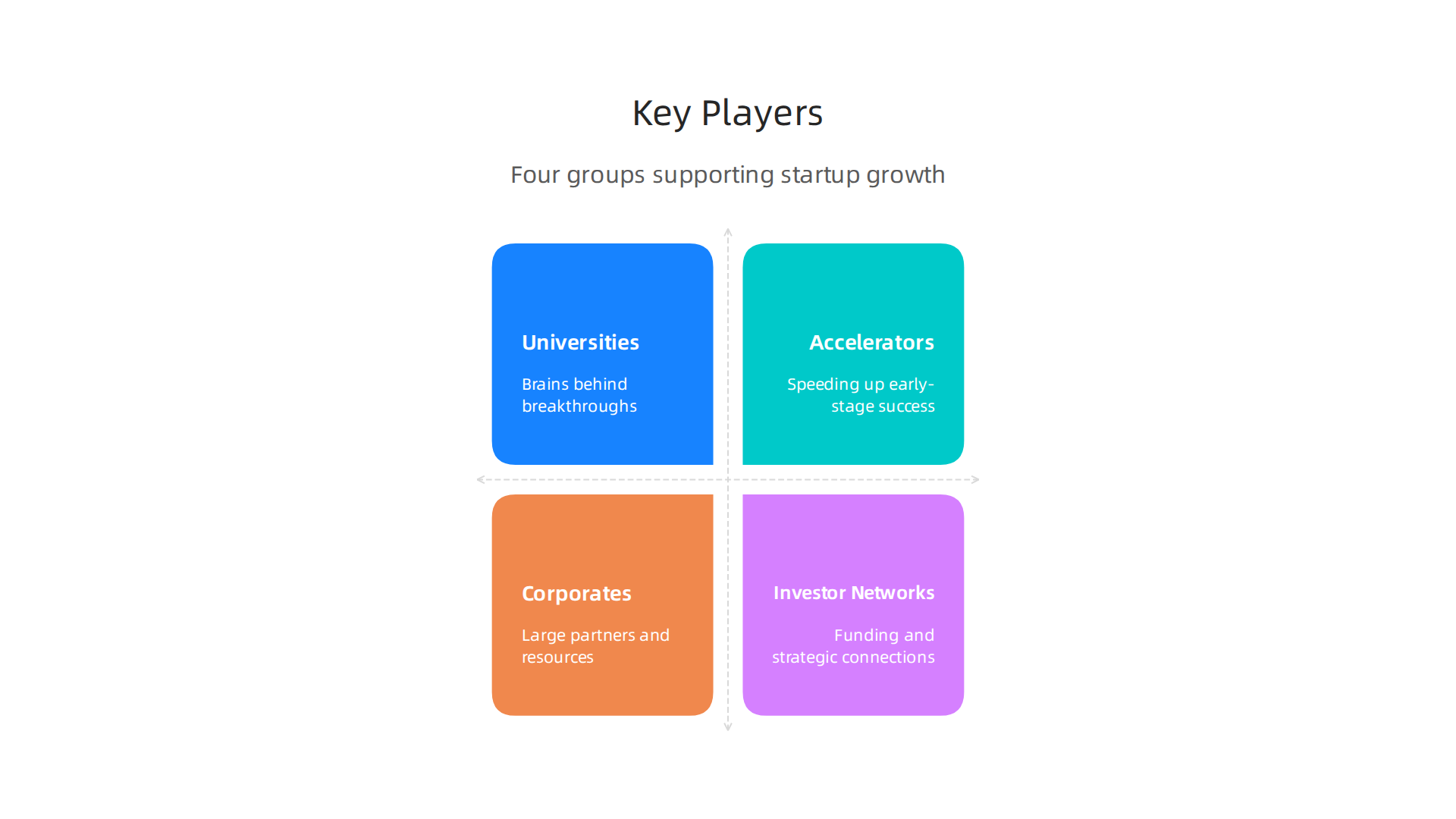
Detroit’s journey to becoming a thriving place for new businesses also depends on some key players. These groups help new companies grow, find money, and get advice.
g new ideas for their startup.](https://startupfundraisingnews.com/wp-content/uploads/2026/06/weblish-inline-47558.jpg)
They are like strong anchors that keep the whole "startup nation Detroit" moving forward.
Universities: Brains Behind the Breakthroughs
Big universities in and around Detroit are super important. Places like the University of Michigan and Michigan State University do a lot of research. This research often leads to new ideas that can become startups. They also train smart students who later work for or start new companies. Think of them as giant idea factories, helping Detroit grow as an innovation center. They help turn classroom knowledge into real-world businesses. For example, universities are key in pushing forward the next big things for Michigan’s startup scene, as discussed in a YouTube overview about Leveraging University Innovation to Propel Michigan’s Startup.
Accelerators: Speeding Up Success
Accelerators are special programs that help new companies grow very fast. They offer advice, training, and sometimes a little bit of money for a few months. In return, they often get a small part of the company. Detroit has many such programs, like Techstars Detroit and the Conquer Accelerator. These programs help startups polish their ideas, meet investors, and build strong teams. They are a big reason why Detroit is becoming known among us startup cities for quick growth. The MSU Research Foundation, for instance, has launched specialized Conquer Accelerator programs to push startups to move faster and build stronger companies.
Corporates: Big Helpers for Small Companies
We talked about how big companies help startups by buying their parts or working with them. These larger businesses also often provide mentorship and funding, playing a big role in making Detroit a true hi tech city. They help new ideas become real products that can be made in large numbers.
Investor Networks: Fueling the Future
No startup can grow without money. That’s where investor networks come in. These are groups of people or companies that have money and want to invest it in promising new businesses. Detroit has local investment funds and angel investor groups, which are people who invest their own money in early-stage startups. The Detroit Startup Fund, for example, gives grants to tech startups, helping to boost innovation and job creation. Recently, the city announced a new round of the Detroit Startup Fund, providing vital support. These networks are crucial for any startup nation Detroit aiming for success.
Choosing the Right Partners for Your Startup
When you are a founder looking for help, it’s smart to think about which programs or partners will really make a difference. Look for groups that understand your type of business and have a good track record. Do they help you get ready to talk to investors? Do they connect you with the right people? Picking the right partners means choosing those who can truly help you get the money you need to grow your company. Understanding how to manage your business’s technical aspects can also significantly improve your chances with investors. Learn more about how to manage shadow tech unlock growth mitigate risks attract investors.
After choosing the right partners and getting your business ready, the next big step is finding money to grow.

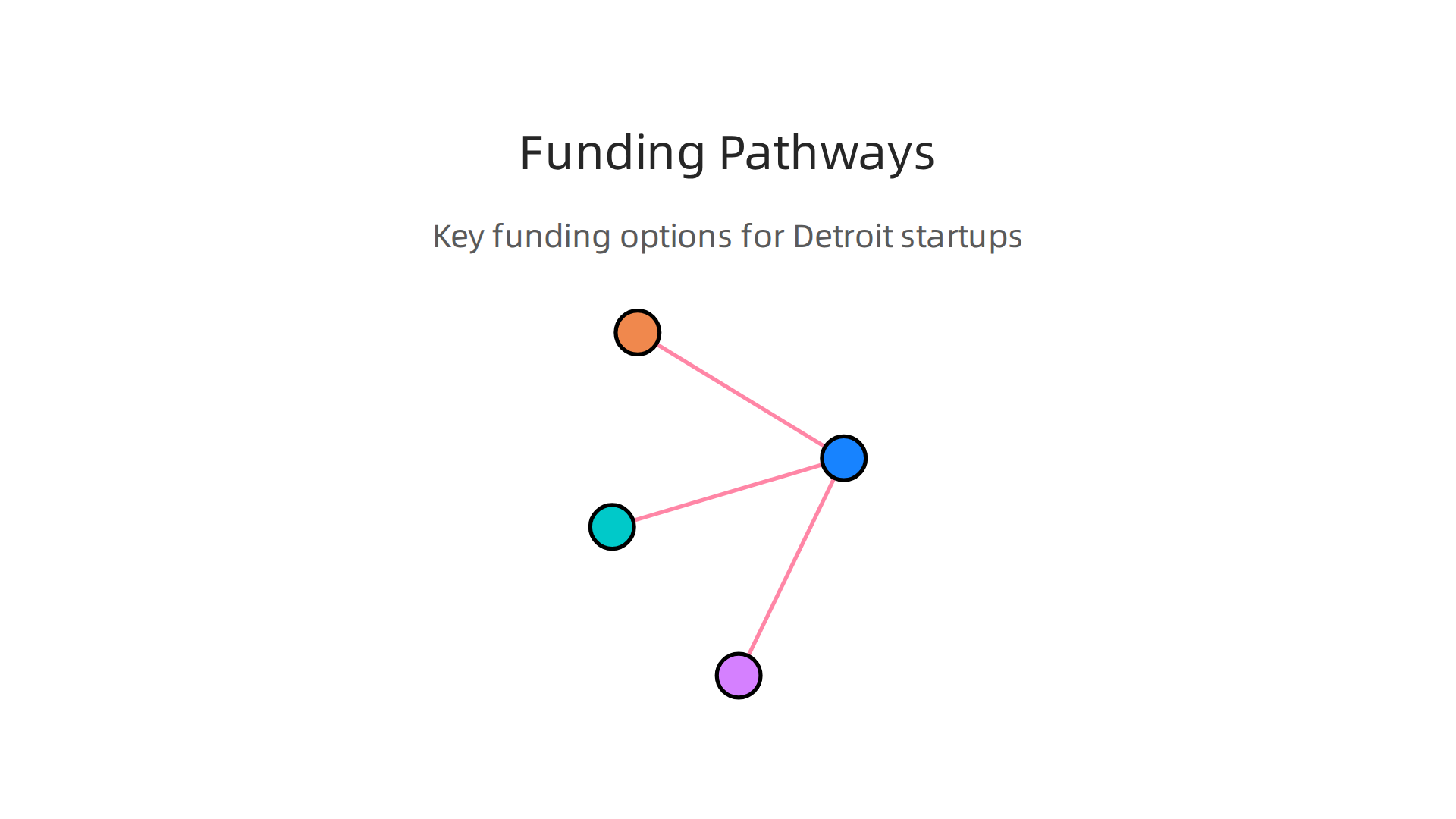
Detroit, as a thriving startup nation Detroit, offers many ways to get funding. Knowing which type of money to seek at different times can really help your company succeed. Let’s look at the main ways startups in Detroit can find the cash they need.
Grants: Money You Don’t Pay Back
Grants are like gifts of money that you don’t have to pay back, and you don’t have to give away any part of your company for them. These are great for very new companies or for specific projects. The City of Detroit, for example, has programs like the Detroit Startup Fund. In 2026, the city gave out $300,000 in grants to 13 new companies, showing strong support for local businesses to boost innovation and create jobs. For instance, the Detroit Startup Fund Round 2 offered $300,000. These grants often come from government groups, big companies, or foundations. They are perfect for early-stage ideas where you need some money to prove your concept without giving up ownership. You can often find information on Early Stage Funding Michigan Business programs.
Angel Investors: Early Help from Wealthy Individuals
Angel investors are people who use their own money to invest in very new companies. They often love to help new ideas get off the ground and usually offer advice and connections too. They take a small part of your company in return. Angel investors are a key part of the innovation center that helps startups grow, especially in cities like Detroit. They are often the first outside money a startup gets after friends and family. This kind of funding is sometimes called "pre-seed" or "seed" funding, which is the very first money a startup gets. You can learn more about Idea/Pre-Seed Funding for startups.
Venture Capital (VCs): Big Money for Big Growth
When your startup has grown a bit and shown it can make money or attract a lot of users, you might look for venture capitalists. These are companies that manage big funds from other investors. They put large sums of money into startups that they think will grow very fast and become very successful. In return, VCs take a bigger part of your company. They also expect a lot of say in how the company is run. Detroit’s growing hi tech city reputation makes it an attractive spot for VCs.
Finding the right VC means showing them a clear path to fast growth and how they will get a good return on their investment. It’s helpful if founders have a solid understanding of how their technology works and how it can scale, as this helps founders who understand computer systems technology attract more investors. Keeping up with the latest tech trends, like those in the Artificial Intelligence Index Report 2025, can also make your startup more appealing.
Corporate Partnerships: More Than Just Money
Sometimes, big companies in Detroit will partner with smaller startups. This isn’t always about giving money directly. A corporate partner might offer to test your product, become your first big customer, or even help you make your product in larger numbers. In some cases, a bigger company might even buy your startup later on. These partnerships can give your startup a lot of credibility and help you reach many more customers. These kinds of connections are important for developing a strong local Ecosystem Report 2025.
Choosing Your Funding Path
The best funding path depends on where your startup is right now.
- Early Idea Stage: Look for grants or angel investors. They are good for testing your idea and getting started.
- Growing Stage: If you have customers and a working product, venture capital might be a good fit to help you grow quickly.
- Strategic Growth: Corporate partnerships can offer resources, market access, and sometimes even a way for your company to be acquired by a larger player.
Always remember, investors want to see that you understand your business and how to make it grow. Staying informed on major tech changes, like those in AI, can show you are ready for the future.
Get clear daily AI updates from The Deep View Newsletter. The AI Newsletter Worth Reading
After finding the right money to grow your business, the next big step is building a strong team. Even the best ideas need smart, hardworking people to make them happen. In Detroit, being a vibrant startup nation Detroit, means you have many chances to find great talent.
Local Talent: A Deep Well of Skill
Detroit’s local schools and colleges are a great source of new talent. Universities in Michigan play a big role in training future startup employees. For example, the University of Michigan is known for its research, helping to power new ideas for startups in the state, as highlighted in a discussion about Leveraging University Innovation to Propel Michigan’s Startup Ecosystem. These places help grow the "hi tech city" vibe Detroit is building.
Many programs also exist to help people gain new skills or improve old ones. These "upskilling" programs are key for keeping Detroit’s workforce ready for the latest tech jobs. Accelerators, which are programs that help startups grow quickly, often include training and mentorship. For instance, the MSU Research Foundation Launches Two Sector-Based Conquer Accelerator Cohorts in healthcare and fintech. Other accelerators like Techstars also help new companies find and train their teams. The Michigan Founders Fund also runs a Michigan Founders Fund Pre-Accelerator program to support early-stage companies. Organizations like TechTown Detroit also offer support and resources to help startups connect with talent.
This strong local support helps create a rich "innovation center" where people can learn and grow with new companies. A report on Advancing Greater Detroit’s Startup Ecosystem shows how important this local network is.
Competing and Winning for Talent
When you’re building a team in Detroit, you might worry about competing with bigger cities on the coasts, like those known for being top us startup cities. These places sometimes offer very high salaries. But Detroit has its own special advantages.
One big plus is the cost of living. It’s usually much cheaper to live in Detroit than in places like New York or San Francisco. This means that even with a good salary, your employees can have a better quality of life and more money left over for themselves and their families. This makes Detroit an attractive place to live and work.
Another advantage is the strong community and sense of purpose many people feel in helping Detroit grow. Working for a startup here can mean being part of something truly special, making a real impact on a city that is rebuilding and innovating.
Founders need to be smart about how they talk about these benefits. Show potential hires how they can have a fulfilling career, a good life outside of work, and be part of a vibrant Ann Arbor and Detroit startup ecosystem. Even though hiring is always a challenge, Detroit offers unique reasons for talented people to join your team.
Beyond finding the right people, startups also need the right places and tools to turn big ideas into real products. Detroit, truly a startup nation Detroit, offers many useful spots and services for new companies. These include incubators, maker labs, and even research spaces from bigger companies. They help lower some of the tough technical and money problems startups often face.
Infrastructure & Support Services: Incubators, Labs, and Physical Spaces
Detroit’s growing reputation as a "hi tech city" comes with strong support systems. Think of incubators and maker labs as shared workspaces. Here, new businesses can find affordable office space, special equipment, and often get advice from experts. They don’t have to buy expensive machines or rent a whole building when they are just starting. This shared approach makes it easier to build and test new products. These services help new companies thrive without breaking the bank. For example, places like NewLab in Detroit act as a major hub for innovation, as noted in discussions about the Dynamics of Detroit’s Startup Community. Michigan Central is another important spot helping develop new technologies and training skilled workers, according to their Michigan Central 2025 Year In Review.
These "innovation center" hubs are key because they remove many roadblocks. Startups can easily access things like 3D printers, testing equipment, or powerful computers. This saves them money and time. It means founders can focus more on their ideas and less on setting up a full workspace. For founders, using the right tech tools for startups 2026 that attract investors and accelerate fundraising can make a huge difference.
Here’s a simple checklist for founders looking at these support services:
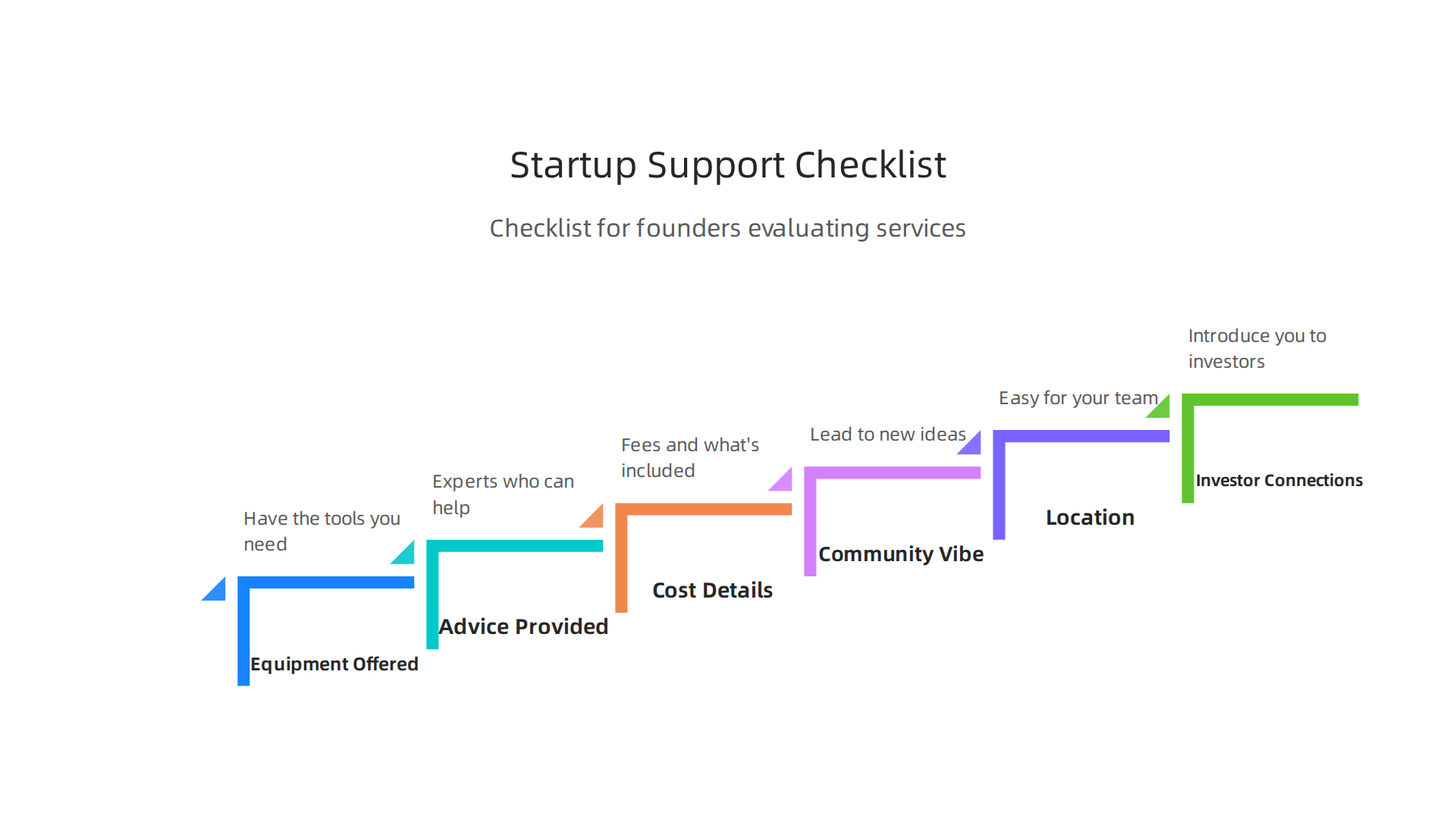
- What equipment do they offer? Make sure they have the tools you need for your product.
- What kind of advice do they give? Do they have experts who can help with your specific business?
- How much does it cost? Check the fees and what’s included.
- What’s the community like? Being around other startups can lead to new ideas and partnerships.
- Where is it located? Is it easy for your team and any partners to get to?
- Do they help connect you with money or investors? Some places can introduce you to people who might want to invest in your company.
By carefully choosing the right physical and service-based support, startups in Detroit can get a real head start.
Having great places to work and useful tools is a big step, but every startup also needs money to grow. Even with lots of support, raising money can be tough. This is true for a startup nation Detroit, just like in other major us startup cities. Founders face real challenges convincing investors, whether those investors are local or from other states with the most startups.
The goal is always to show investors your idea is worth their money. The good news is, Detroit and Michigan have grown as a "hi tech city" and have systems to help.
Common Challenges and Actionable Strategies for Raising Capital
Getting money for your startup often feels like a puzzle. Investors look for strong ideas and proof that your business can succeed.

Here are some of the common hurdles and smart ways to get over them:
Realistic Obstacles for Founders
- Standing Out: Many startups are looking for money. You need to show why your idea is special.
- Finding the Right Investors: Not all investors are a good fit for every business. Some like early ideas, others like businesses that are already making money.
- Talking Money: It can be hard to know how much your company is worth or what a fair deal looks like.
- Showing Proof: Investors don’t just want a good idea; they want to see that you’ve already made some progress.
Tactical Checklist: What Investors in Detroit Look For
To make your startup appealing, think about these key points:
-
Pitch Priorities: What to Talk About
- The Problem: Clearly explain a real problem that people or businesses have.
- Your Solution: Show how your product or service fixes that problem in a simple way.
- Your Team: Who are you and your partners? Why are you the best people to make this idea work?
- The Market: How many people or businesses need your solution? Is it a small group or a very large one?
- How You Make Money: Explain simply how your business will earn cash.
- Investment Ask: How much money do you need, and what will you use it for?
-
Traction Signals: Showing You’re Making Progress
- Early Sales or Users: Have people already bought your product or started using your service? This is a big win!
- Customer Feedback: Do customers love what you’ve made? Share their good words.
- Partnerships: Are other businesses working with you? This shows others trust your idea.
- Protect Your Ideas: Make sure your important inventions and ideas are safe. A Technology Depository Agency Secures Your IP and Attracts Investors can help with this, making investors feel safer about their money.
-
Finding Funding Opportunities
- Michigan offers support for new businesses. For example, the state launched a Michigan launches $60M Innovation Fund to boost early-stage … to help companies just starting out.
- The City of Detroit also helps with programs like the Mayor, DEGC present $300,000 in grants to 13 innovative startups …
- You can learn more about finding early money for your business through programs like Early Stage Funding | MEDC | Michigan Business.
- It’s helpful to understand different types of money like venture capital. Learn about the Venture Capital Private Equity: The Critical Difference for Startup Fundraising to prepare yourself. You can also find important details about Seed Enterprise Investment in 2026: Data Driven Strategies to Raise Capital.
-
Negotiation Tips: Making the Best Deal
- Know Your Value: Understand what your company is truly worth so you can ask for a fair deal.
- Ask Questions: Always ask if you don’t understand something in a deal. It’s okay to seek clarity.
- Be Patient and Ready to Say No: The right deal might take time. Don’t rush into something that isn’t good for your company.
Keeping up with the latest tech changes, especially in areas like AI, is super important for founders in 2026. Investors often look for companies that are aware of new trends and how they can use them. To stay smart about new tech trends, especially in AI, a good way is to get clear daily AI updates from The AI Newsletter Worth Reading.
Summary
This article explains why Detroit is re-emerging as a high-potential hub for startups and investors in 2026, shifting beyond its automotive past into a modern innovation center. It details Detroit’s unique strengths—deep manufacturing supply chains, university research, accelerators, corporate partners, and growing investor networks—and shows how these assets create cross-sector opportunities for founders. The piece walks through practical funding options (grants, angel investors, venture capital, and corporate partnerships), what investors in the region look for, and tactical steps to choose the right partners and support programs. Readers will learn how to leverage local infrastructure, protect IP, attract funding, and build teams that can scale, plus actionable checklists and pitch priorities to improve fundraising outcomes in Detroit’s startup ecosystem.