

Why founders, investors and advisors need to understand technology depository agencies now
Imagine you have a great new idea or a special computer program. It’s like a secret recipe that makes your business shine. But how do you keep that secret safe, especially when you need to show it to people who might want to invest in your company? This is where a technology depository agency comes in.
In simple terms, a technology depository agency is like a super secure bank for your most important tech secrets. It holds onto things like source code, patents, and other valuable intellectual property (IP). Think of it as a neutral, trusted keeper that makes sure your innovations are protected and available only when they should be. The world of technology is always changing, as shown in reports like The Stanford Emerging Technology Review 2026, so keeping your valuable tech safe is more important than ever.
For founders, this is a big deal. You pour your time and talent into creating something new. Losing control of your IP, or having it stolen, could end your startup before it even starts.

When you’re looking for money from investors, especially from other countries, they want to know your technology is safe. This makes cross-border fundraising much simpler and builds trust. Working with IT companies in USA and forming premier partnerships USA that understand these security needs is key to protecting your assets.
This guide will help you understand all about technology depository agencies. We’ll cover how they work, why they’re so important for keeping your tech safe, and how they can help you get the funding you need. You’ll learn how these agencies act as a vital bridge between innovation and investment, helping you avoid big risks while growing your business. Understanding how to define your technology and its value is the first step in attracting the right investors. Learn more about how to make your tech clear to investors by reading our insights on technology definition 2026.
Want to stay on top of the latest tech trends impacting startups and fundraising?
The AI Newsletter Worth Reading
A technology depository agency, or TDA, is a special kind of helper that keeps your company’s most important digital secrets safe. Think of it like a very secure locker for your valuable computer code, designs, and other smart ideas that make your business unique. It’s not just a storage space, though. It’s a trusted third party that makes sure your innovations are protected and only shared under certain, clear rules.
How is a TDA different from a regular escrow service? Well, a traditional escrow service usually holds money or items until certain conditions are met. A TDA does something similar, but it focuses on highly technical intellectual property (IP). It understands the special needs of software, like different versions of code and how they work together. For instance, when you’re dealing with computer systems technology, a TDA knows how to check if the code truly works and is complete. This is important for IT companies in USA that need reliable partners.
Here are the main services a technology depository agency offers:
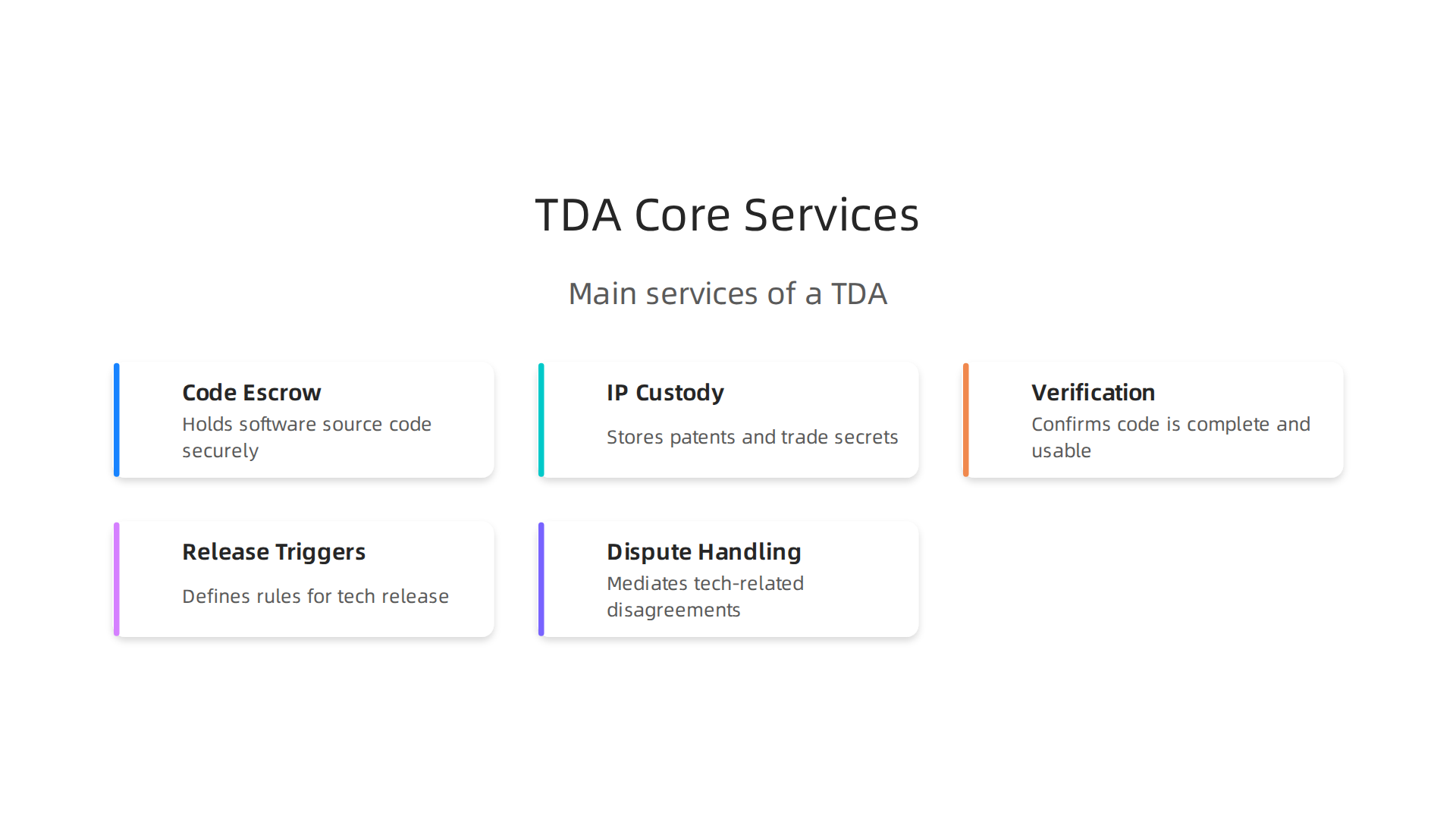
- Code Escrow: This is perhaps the most common service. The TDA holds a copy of your software’s source code. If your company can no longer support its product for a client, or if something else goes wrong, the client can get the code to keep their systems running.
- IP Custody: This goes beyond just code. A TDA can also hold other valuable intellectual property, such as patents, trade secrets, design documents, and manufacturing plans. It ensures all these vital assets are stored securely.
- Verification: Before holding your tech, a good TDA will check it. This means making sure the code is complete, can be used, and matches what you say it is. This step adds a lot of trust for everyone involved.
- Release Triggers: These are the clear rules about when your tech can be released from the TDA. For example, a contract might say the code is released if your company goes out of business, if it fails to fix important bugs, or if it’s bought by another company.
- Dispute Handling: Sometimes, disagreements happen. A TDA can help both sides resolve issues about the deposited technology without having to go to court right away.
Many different people rely on TDAs. Founders use them to protect their hard work and show potential investors that their technology is secure. This builds confidence and makes securing funding easier. Investors benefit because they know their investment is safer. If the startup runs into trouble, the technology won’t just disappear. Companies looking to acquire a startup also use TDAs to ensure they get all the valuable tech they are paying for. Lastly, legal teams are involved in setting up the agreements, making sure all the rules are fair and clear for everyone. Building premier partnerships USA with trusted agencies, like the ones that are part of the Prins Group USA, can make all the difference.
Now, let’s look at how a technology depository agency actually works, step by step. It’s like a journey for your valuable tech, ensuring it stays safe and is only used as agreed upon.
How TDAs work in practice: processes, custody, and lifecycle
The process with a technology depository agency is very thought out, almost like a flow chart. It starts with getting ready, then depositing the tech, checking it, setting rules, and finally, releasing it if needed. This whole journey builds trust for everyone involved, from founders to the big investors and even other it companies in usa looking to partner or buy.
Here is the step-by-step lifecycle:
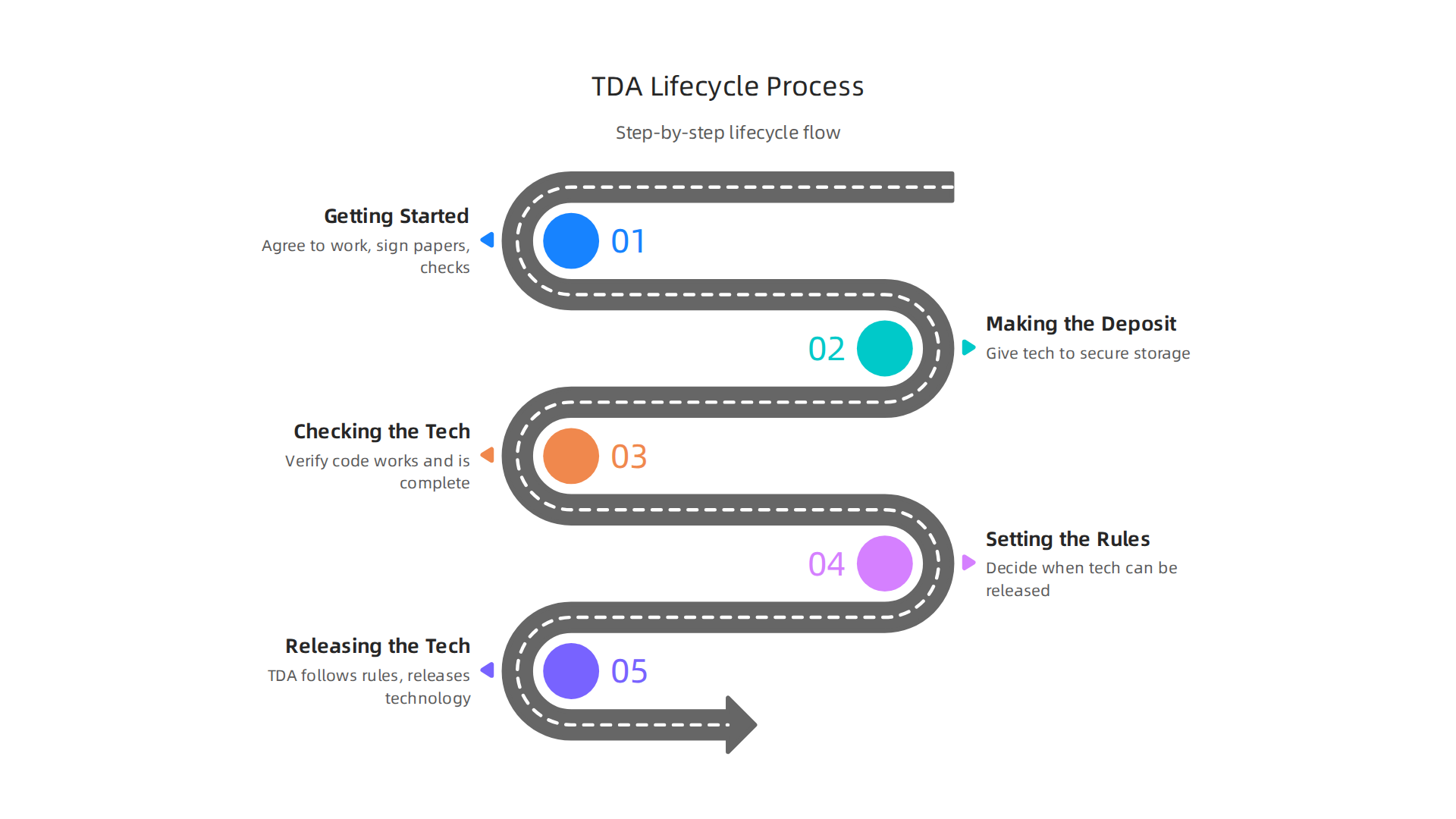
- Getting Started (Onboarding): First, both your company and the TDA agree to work together. This involves signing papers and doing important checks. The TDA will perform what’s called "vendor due diligence" to make sure they know your business well and that everything is clear from the start. This careful check helps set up strong relationships. Many companies use a Vendor Due Diligence Checklist to make sure all important steps are covered when choosing a partner like a TDA in 2026.
- Making the Deposit: Next, you give your important tech, like software code or special designs, to the TDA. They put it into their secure storage. This isn’t just dropping files into a folder. It’s a structured deposit that makes sure every piece of the technology is there.
- Checking the Tech (Verification): This is a super important step. The TDA will verify the tech you gave them. They make sure the code works, that all parts are present, and that it matches what your agreement says it should be. This gives everyone peace of mind that what’s deposited is truly useful.
- Setting the Rules (Trigger Conditions): This is where you decide when the stored technology can be released. For example, if your company can no longer update the software, or if you can’t fix a major problem, these would be reasons (triggers) for the TDA to release the code to your client. These rules are written down very clearly in the contract.
- Releasing the Tech (Release): If one of the trigger conditions happens, the TDA follows the agreed-upon rules and releases the technology to the correct party. This ensures that essential operations can continue, even if your business faces unexpected challenges.
Keeping Your Secrets Safe: Technical and Operational Safeguards
A good technology depository agency doesn’t just store your tech; it guards it with strong security.
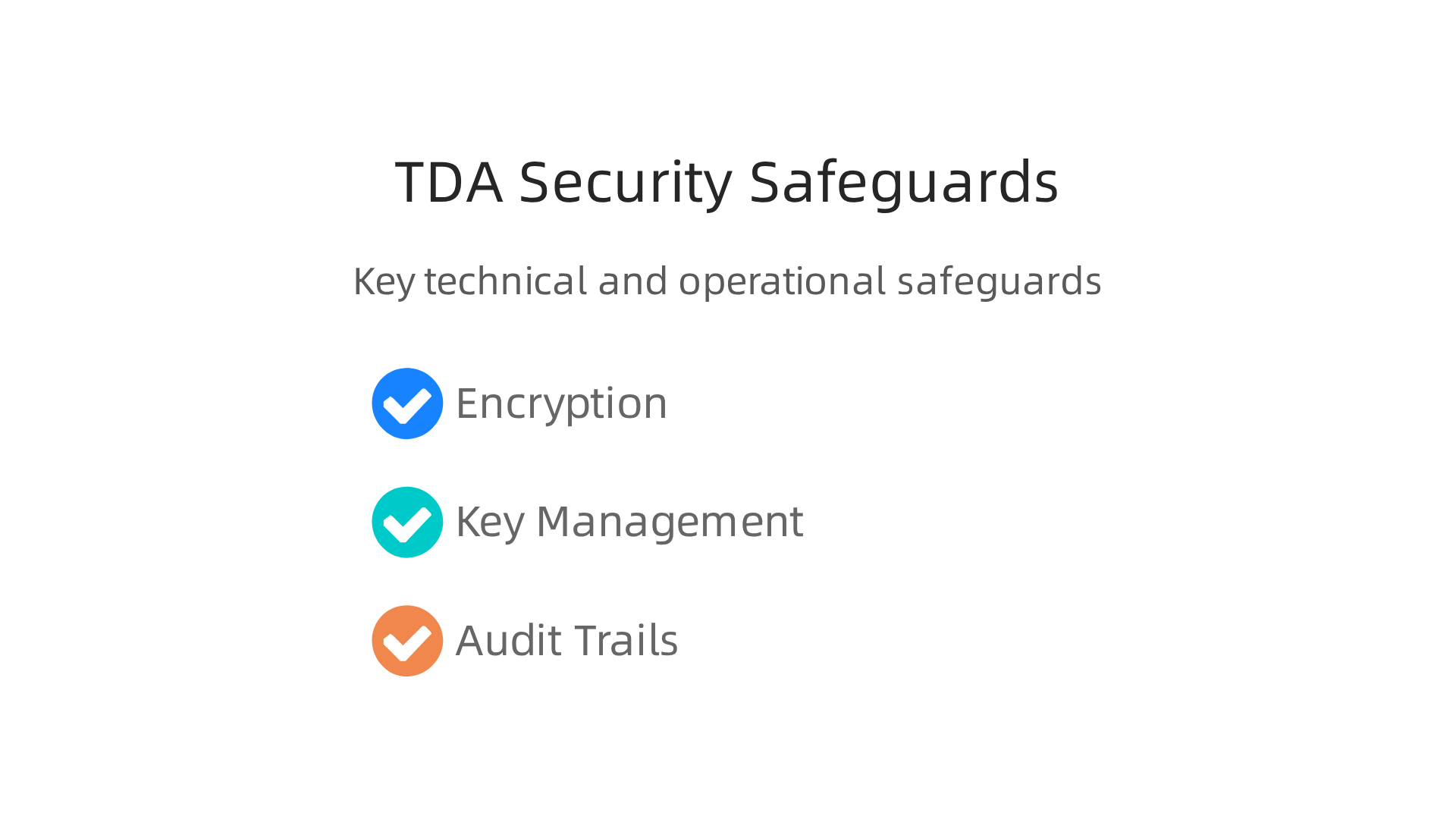
They use special tools and rules to keep everything locked down.
- Encryption: This is like scrambling your data so no one can read it without a secret key. Imagine putting your code in a locked box where only specific people have the key. Modern TDAs use very strong encryption to protect your data. Learning about Security technology whitepaper can help you understand how this works.
- Key Management: Since encryption relies on secret keys, managing those keys is super important. A TDA has strict ways to create, store, and use these keys, making sure they don’t fall into the wrong hands. Good practices in key management are vital for any secure system. This is a key part of protecting sensitive data.
- Audit Trails: Every action taken with your deposited technology is recorded. This is called an audit trail. It’s like a detailed logbook that shows who accessed what, when, and why. This helps make sure everything is transparent and accountable. These trails are also important for Encryption and Key Management Audit checks to ensure security systems are working correctly.
Working Together: Integration Touchpoints
Many people interact with a technology depository agency throughout its lifecycle:
- Founders work closely with the TDA to deposit their cutting-edge innovations and make sure the agreements protect their future. They need to understand the full technology definition 2026 to communicate clearly.
- Venture Capitalists and Investors appreciate the security a TDA offers, knowing their investment in a startup’s technology is safeguarded. This adds a layer of trust that can help with seed enterprise investment in 2026 and future funding rounds.
- Legal Counsels craft the detailed agreements, making sure trigger conditions are clear and fair for all parties.
- Acquirers or companies looking to buy another business will use the TDA process to confirm they are getting all the promised technology as part of the deal.
This whole setup ensures that important intellectual property is safe and ready, no matter what the future holds.

While a good technology depository agency keeps your tech safe and sound, it’s also important to understand the many laws and rules that guide how these agencies operate, especially in the United States. It’s like having a map for a journey; you need to know the rules of the road. These legal details are very important for any business, whether you’re a startup founder, an investor, or one of the many it companies in usa.
Legal and regulatory considerations in the US for TDAs and partnerships
The world of technology and business is always changing, and so are the laws. For a technology depository agency, following these rules is not just good practice, it’s a must.
Key US Regulators and Compliance Areas
In the U.S., different laws and government groups look after how companies handle sensitive information and technology.
- Data Protection: This is a big one. Many states in the U.S. have their own data privacy laws in 2026, giving people more control over their personal information. For example, by the start of 2026, about twenty states have made such laws active, with more on the way. This means a technology depository agency must be very careful with any personal data linked to the technology it holds. You can learn more about these evolving rules in a Legal Guide To PRIVACY AND DATA SECURITY 2026 and about U.S. Data Privacy Laws and Regulations in 2026.
- Export Controls: If your technology might be shared with other countries, there are rules about that too. These rules make sure that certain technologies don’t end up in the wrong hands or places. This is especially true for companies involved in premier partnerships usa that work with global partners, or with a specific type of partner like a "prins group usa" that might have international ties.
- Contract Law: Every agreement with a technology depository agency is a contract. These contracts must be very clear about what technology is being stored, who can get it, and when. This clarity protects all parties involved.
Data Protection and Privacy in Detail
As we mentioned, keeping data safe is critical. In 2026, U.S. state privacy laws are seeing more action, with new rules requiring businesses to update how they handle information. Many states are rolling out new requirements, which you can read about in a report on New year, new rules: US state privacy requirements coming online as 2026 begins. This also includes special rules for children’s data, which companies must follow carefully. It’s all about making sure that the data a TDA keeps is not just encrypted, but also handled according to every privacy law.
Cross-Border IP and Export Controls
When a technology depository agency holds intellectual property that might be licensed or used across different countries, the legal landscape becomes even more complex.
- Tax Considerations: Moving intellectual property across borders can bring up specific tax rules. These can affect how much a company pays in taxes and how it reports its earnings. Understanding these rules is key for Cross-Border Intellectual Property: Tax and Accounting Challenges and for managing global tax risks.
- International Agreements: Many countries have agreements to help protect intellectual property and manage taxes when businesses work together across borders. This helps make sure that the rules for one country don’t clash with those of another.
How Regulatory Risk Affects Deals and Investor Protections
For investors like venture capitalists, understanding these legal rules is very important. When they put money into a startup, they want to know that the technology is safe and won’t get caught up in legal problems.
- Term Sheets: The terms of an investment deal, called a term sheet, can change based on these risks. If a company has great technology but unclear legal standing, investors might be less willing to invest or might ask for more protections.
- Mergers and Acquisitions (M&A): When one company buys another, it needs to be sure there are no hidden legal problems with the technology it’s acquiring. A strong technology depository agency agreement helps clear up these worries, ensuring the acquired intellectual property is truly safe and transferable. This gives peace of mind to both the buying company and the selling startup.
In a fast-moving tech world, staying on top of legal changes is essential for everyone.
Get clear daily AI updates from The AI Newsletter Worth Reading.
While legal compliance sets the necessary boundaries, let’s explore what founders and investors actually gain or lose by using a technology depository agency. It’s a balance of benefits and potential drawbacks that everyone should understand.
Benefits and trade-offs: what founders and investors gain (and lose) from using TDAs
Using a technology depository agency, or TDA, can bring some really good things to the table for startups and those who invest in them. But it also has its own set of challenges. Knowing both sides helps everyone make smart choices.
What Founders and Investors Gain
A good technology depository agency can make business deals much smoother. Here’s how:
- Reduced Deal Friction: When investors are thinking about putting money into a startup, they often worry about the startup’s core technology. Is it safe? Is it truly owned by the startup? A TDA helps answer these questions, making the deal process faster and less stressful. This is especially true for it companies in usa looking for venture capital.
- Clearer Exit Triggers: If a startup plans to be bought by a bigger company later, having its technology secured by a TDA makes this future sale clearer. Everyone knows what’s being bought.
- Investor Comfort: Investors, like those in premier partnerships usa, feel much better knowing that the valuable technology they’re investing in is safely stored and managed by a neutral third party. This can make them more likely to invest. Good security practices, including how encryption keys are managed, are very important for this comfort, as highlighted in guides on SOC 2 Key Management Best Practices.
- M&A Readiness: A startup with a TDA agreement in place is already prepared for a merger or acquisition. This shows bigger companies that the startup is serious about its intellectual property and has a plan for its transfer.
What Founders and Investors Might Lose (Trade-offs)
While there are many good things, using a technology depository agency also comes with some downsides:
- Cost: Setting up and maintaining a TDA costs money. This can be a notable expense for smaller startups.
- Added Complexity: It’s another company to manage and another contract to keep track of. This can add layers to a startup’s operations.
- Potential Lock-in: Once you choose a TDA, it can sometimes be difficult to switch to another one later, especially if your technology is deeply integrated into their system.
- Negotiation Points to Monitor: The contract with a TDA needs careful reading. Founders need to make sure the terms are fair and protect their interests. Even specific terms regarding certain types of collaborations, perhaps involving a "prins group usa," need careful consideration.
When a TDA Truly Adds Value
Deciding if a technology depository agency is worth it means looking at the specific situation. For startups with highly valuable or sensitive technology, the benefits of peace of mind and smoother deals often outweigh the costs. If an investment round is large, or if a merger or acquisition is clearly on the horizon, a TDA can significantly speed things up and reduce risks for all parties. It acts as a clear sign to investors that the startup has its act together when it comes to protecting its main assets. In short, a TDA is usually a smart move when the value of the technology and the stakes of the deal are high.
Securing your core technology with a technology depository agency is a smart first step. But for true growth, startups often need to reach beyond their own team by forming strong partnerships. These partnerships can open new markets, bring in more customers, and even help with product development. Let’s look at how to build these important relationships in the US, from different types of deals to the fine print in contracts.
Common US Partnership Structures
Building successful partnerships means choosing the right way to work together. Here are some common types:
- Referral Partnerships: These are simple agreements where one company sends customers to another. For example, a marketing agency might refer clients to an app development startup. They don’t usually share technology directly, but they help each other grow their customer base.
- Reseller and Custody Models: In this setup, a partner sells your product or service as their own. If your product is software, the reseller might need access to your code to offer support or custom versions. This is where a technology depository agency can be very helpful. It safely holds your technology, giving the reseller peace of mind that they can continue to serve customers even if your startup faces issues. This builds trust for both sides, especially when dealing with advanced
it companies in usa. - Strategic Alliances: These are deeper, more complex partnerships where companies work closely together to achieve a shared goal. This could mean co-developing a new product, combining services, or entering a new market together. Forming
premier partnerships usaoften falls into this category, aiming for long-term benefits and shared success.
Key Contractual Clauses to Understand
When forming any partnership, the agreement is super important. It lays out how you’ll work together and what happens if things change. Here are some key parts of a good partnership contract:
- Triggers: These are events that cause certain actions to happen. For example, a trigger might be reaching a sales goal, which then leads to a bonus payment. Or, a change in how a partner is performing could trigger a review of the agreement.
- Verification: How will you both check that the terms of the agreement are being met? This could involve regular reports, audits, or shared dashboards to track progress. For
it companies in usadealing with sensitive data, clear verification processes are a must. - Liability: This clause spells out who is responsible if something goes wrong. For instance, if a partner’s actions cause a problem for a customer, who pays for it? This is especially important for protecting your startup from unexpected risks.
- Fees and Payments: This section clearly states how money changes hands. What are the payment terms? Are there commissions, fixed fees, or shared profits? Being very clear here prevents arguments later.
- Termination: How can either party end the partnership? What are the conditions for ending it early, and what happens to any shared assets or customers afterwards? Having a clear exit strategy is just as important as having a clear start.
Practical Best Practices for Negotiating US-Based Partnerships and Cross-Border Clauses
Negotiating a partnership takes skill and clear communication. Here are some tips:
- Do Your Homework: Understand your potential partner’s business, goals, and reputation. This helps you propose a deal that benefits both sides.
- Be Clear on Expectations: Before signing anything, make sure both parties agree on what success looks like and how it will be measured.
- Get Legal Advice: Always have a lawyer review any partnership agreement. They can spot hidden risks and make sure your interests are protected.
- Mind Data Privacy: In 2026, data privacy laws in the US are stronger than ever. Many states have their own rules, and protecting personal data is critical for any partnership, especially if you handle customer information. It’s vital to stay informed about
U.S. Data Privacy Laws and Regulations in 2026to ensure compliance for both parties. - Address Cross-Border Issues: If you’re working with a partner outside the US, tax rules become more complex. Things like intellectual property (IP) licensing across borders can lead to unexpected tax costs if not handled correctly. Learning about Tax Issues Raised by the Use of Cross-Border Partnerships can help you avoid problems. You also need to consider how different laws might affect your IP assets. For example, managing Cross-Border Intellectual Property: Tax and Accounting Challenges requires careful planning. Even specific collaborations, perhaps involving a
prins group usa, will require tailored clauses. Keeping up with global tax changes and how they impact IP is essential.
Forming smart partnerships is a powerful way for startups to grow. By understanding different structures, key contract clauses, and best practices for negotiation, you can create relationships that truly help your business thrive.
To stay sharp on tech trends that impact partnerships and fundraising, make sure you’re always learning.
The AI Newsletter Worth Reading provides clear daily AI updates that can help you understand the broader tech market.
Building on strong partnerships, choosing the right service providers is just as important. When it comes to protecting your startup’s core technology, picking a reliable technology depository agency (TDA) is a big decision. This isn’t something to rush. You need to check them carefully to make sure they are a good fit and can be trusted. Think of it like a checklist you go through before buying something important.
Choosing and vetting a TDA: a practical due-diligence checklist
To find the best technology depository agency for your startup, you need to look at a few key things. This process is called due diligence. It helps you understand what you’re getting into and avoids problems later.
1. Operational, Legal, and Technical Checks
- Service Level Agreement (SLA): This is a contract that says how good the service will be. It should spell out how quickly they respond to issues, how often their service is available, and what happens if they don’t meet these promises. For
it companies in usa, a strong SLA is a must. - Encryption and Key Management: Your technology needs to be super safe. Ask how they encrypt your data. This is like putting your secrets in a very strong lockbox. They should also have clear rules for managing the "keys" to that lockbox, making sure only trusted people can get in. Checking their SOC 2 Key Management Best Practices can tell you a lot about their security. You should also check how they audit their Encryption and Key Management Audit systems.
- Dispute Resolution: What happens if there’s a disagreement? The contract should explain how problems will be solved, whether through talks, mediation, or other ways.
- Audits and Insurance: Good TDAs are checked regularly by outside experts to make sure they are doing things right. They should also have insurance to cover things like data breaches. You want to see that they follow guidelines on Key Management and can show you their audit trails.
- Geographic Footprint: If you’re looking for
premier partnerships usaor even international ones, consider if the TDA has locations or services that cover your needs. This is especially true for global operations or if aprins group usastartup requires specific regional compliance.
2. Vendor Selection Criteria
- Reputation: What do other companies say about them? Look for reviews, testimonials, and case studies. A long history of reliable service is a good sign.
- Integrations: Can the TDA easily connect with the other tools and systems your startup uses? Smooth connections make things easier for everyone.
- Cost Model: Understand how they charge for their services. Is it a fixed fee, based on how much data you store, or something else? Make sure it fits your budget and offers good value.
- Compliance: Do they follow important rules and laws? This is vital, especially for
it companies in usathat handle sensitive information.
3. Questions to Ask and Red Flags to Watch For
When you talk to a potential technology depository agency, ask detailed questions about all the points above. Don’t be shy! A good TDA will be happy to answer everything clearly.
- Questions to ask: "How do you protect my intellectual property from unauthorized access?" "What is your backup and recovery plan in case of a system failure?" "Can you show me a sample audit report?"
- Red flags: Watch out for agencies that are not transparent about their security measures, don’t have clear contracts, or seem unwilling to answer your questions fully. Also, be careful if their prices seem too good to be true, as that can sometimes mean cutting corners on security or service. For more help with vendor checks, reviewing a Vendor Due Diligence Strategy and Checklist can be very useful.
By carefully vetting your technology depository agency, you’re not just storing your code; you’re building a foundation of trust that protects your assets and helps you attract investors. For more insights on attracting investors through strong tech practices, you can learn about Founders Who Understand Computer Systems Technology Attract More Investors.
Summary
This article explains what a technology depository agency (TDA) is and why founders, investors and advisors should understand them now. It describes TDAs as trusted third parties that securely hold source code, patents and other critical IP, and it compares TDAs to traditional escrow by highlighting verification, release triggers and dispute handling. The guide walks through the TDA lifecycle — onboarding, deposit, verification, rule-setting and release — and details technical safeguards like encryption, key management and audit trails. It covers US regulatory issues that matter to TDAs, including state privacy laws, export controls and cross-border tax considerations, and shows how those risks shape term sheets and M&A. The article weighs the benefits (reduced deal friction, investor comfort, M&A readiness) against trade-offs (cost, complexity, possible lock-in) and explains when a TDA adds clear value. Finally, it offers practical advice for choosing and vetting a TDA with checklists, vendor criteria and red flags to watch for.