

For growth-focused companies in 2026, understanding how to use new tools is key.

This often means looking at something called "shadow tech." But what is it, and why does it matter so much for businesses that want to grow fast?
Why shadow tech matters for growth-focused enterprises
Many people know about "shadow IT." This is when employees use software or devices for work without the official approval of the company’s IT department. For example, someone might use a free online file sharing service instead of the approved company one. These tools are used because they help get work done quickly, but they can also bring risks like security problems or issues with following company rules. Actually, many companies struggle to see all the different tools their employees are using, with a significant percentage lacking proper visibility into these systems in 2026, according to one report Shadow IT in 2026: Why 65% of Companies Can’t See ….
Now, let’s talk about "shadow tech." This idea is bigger than just shadow IT. Shadow tech includes all the different kinds of technology that employees or even whole departments use on their own, outside of what IT has officially approved or even knows about. This can be anything from new "tech tools" like advanced data analytics software to AI programs that help with writing or design. It also includes new "aiken tech" solutions that teams find helpful and quickly adopt. The important thing is that these tools are chosen by users because they solve a real problem or make work much easier. Many teams use various Tech tools for startups 2026 that attract investors and accelerate fundraising.
The difference between "shadow IT" and "shadow tech" matters for big companies and growing startups. Shadow IT often sounds like a bad thing, something to stop because of risks. But shadow tech can be both a risk and a big chance.
Here are the main things to think about:
- Risks: Using unapproved "tech express" or "tech plug" tools can still lead to security holes, data leaks, or problems with privacy laws. If your company doesn’t know about these tools, it can’t protect them or make sure they’re used correctly. For example, many companies are worried about "shadow AI" and the risks it brings, with reports showing unauthorized AI usage and data leakage concerns for 2026 11 Stats About Shadow AI in 2026.
- Opportunities: On the other hand, shadow tech shows where your employees see a need for better tools. These unofficial choices can lead to faster work, new ideas, and more successful projects. It can help companies discover innovative ways to do things, speeding up growth.
For companies that want to grow, the goal isn’t just to stop shadow tech. It’s about finding a smart way to deal with it. This means understanding what tech people are using, why they are using it, and how to either bring it into the official system or manage its risks.
In the next parts of this article, we’ll give you a simple way to find, look at, and decide what to do with shadow tech. You’ll learn how to either make it a useful part of your company’s growth plan or safely get rid of it.
If you’re interested in keeping up with the latest advancements in technology, especially AI, you might find this helpful:
The AI Newsletter Worth Reading
Understanding where shadow tech comes from is the first big step in knowing how to handle it. It doesn’t just appear out of nowhere. Instead, it grows naturally from employees and teams trying to do their jobs better and faster.
How shadow tech emerges: common sources and use cases
Think about how people work today in 2026. Everyone wants to be more efficient. When official tools don’t quite fit the bill or take too long to get approved, people look for other options. This is how shadow tech starts.
Here are some common ways these tools pop up:
- User-driven SaaS adoption: "SaaS" stands for "Software as a Service." These are online tools that you can often sign up for with a credit card, without needing IT approval. A marketing team might find a special "tech express" tool for scheduling social media posts that’s much better than the company’s approved option. Someone in sales might start using a new CRM (Customer Relationship Management) tool to manage their contacts. Many companies struggle with finding all the SaaS tools their employees use, as individuals often buy software without IT’s knowledge, according to one report What Is Shadow IT? How to Tackle This Common Challenge.
- Niche point tools: Sometimes, a specific team needs a very specialized tool for a small part of their job. For instance, a data analyst might use a unique visualization tool that IT doesn’t officially support. These "tech plug" tools solve a very particular problem quickly.
- Browser extensions: These are small programs that add features to your web browser. A customer support agent might use an extension that helps them quickly paste common answers or translate text, making their "aiken tech" approach to problem-solving more efficient.
- Low-code/no-code automations: These platforms allow people without deep coding skills to build simple apps or automate tasks. A finance person might create a custom tool to track invoices, or a HR manager might automate onboarding emails. These are powerful "tech tools" that make work easier but can also create hidden systems. Companies need founders who understand these types of advancements. In fact, Founders Who Understand Computer Systems Technology Attract More Investors because they can lead their teams in making smart tech choices.
Where you see shadow tech the most:
Shadow tech can show up in almost any part of a company. But it’s very common in certain departments because these teams often need to move fast and be creative:
- Sales operations: Using unapproved tools for lead generation, contact management, or presentation creation.
- Marketing: Finding better ways to manage campaigns, design graphics, or analyze website traffic.
- Analytics: Employing specialized software for deeper data insights that the main company tools don’t offer.
- Finance: Using spreadsheets or small applications for custom reporting or budgeting outside of the main accounting system.
- Customer success: Adopting quick tools for communication, feedback collection, or task management to serve customers better.
These real-world patterns show us that shadow tech isn’t just about breaking rules. It’s often about employees trying to boost their work. This leads to clear wins in how much work gets done and how fast. But it also creates "blind spots" for the company. When IT doesn’t know about these tools, they can’t make sure they are safe, secure, or following all the right rules. This creates a hidden challenge that needs smart handling.
When IT doesn’t know about these tools, they can’t make sure they are safe, secure, or following all the right rules. This creates a hidden challenge that needs smart handling.
Business impact: metrics, risks, and opportunity cost
Shadow tech isn’t just a small problem. It has big effects on a company’s health, from its safety rules to how it follows the law and handles important information.

When employees use unapproved "tech tools," they might speed up their work, but they also open the door to serious risks.
How shadow tech affects security, rules, and data
The biggest worry with shadow tech is security. When tools aren’t managed by IT, they might not have the right security settings. This can leave sensitive company data open to attacks. For example, in 2026, 46% of SaaS breaches were tied to weak security for logging in, like exploited MFA protections The State of SaaS Security 2026 | Trends and Insights. Also, 87% of all company attacks in 2026 affected more than one part of a business’s technology 2026 Unit 42 Global Incident Response Report – Palo Alto Networks. This shows how easily a small, unapproved "tech plug" can become a big problem.
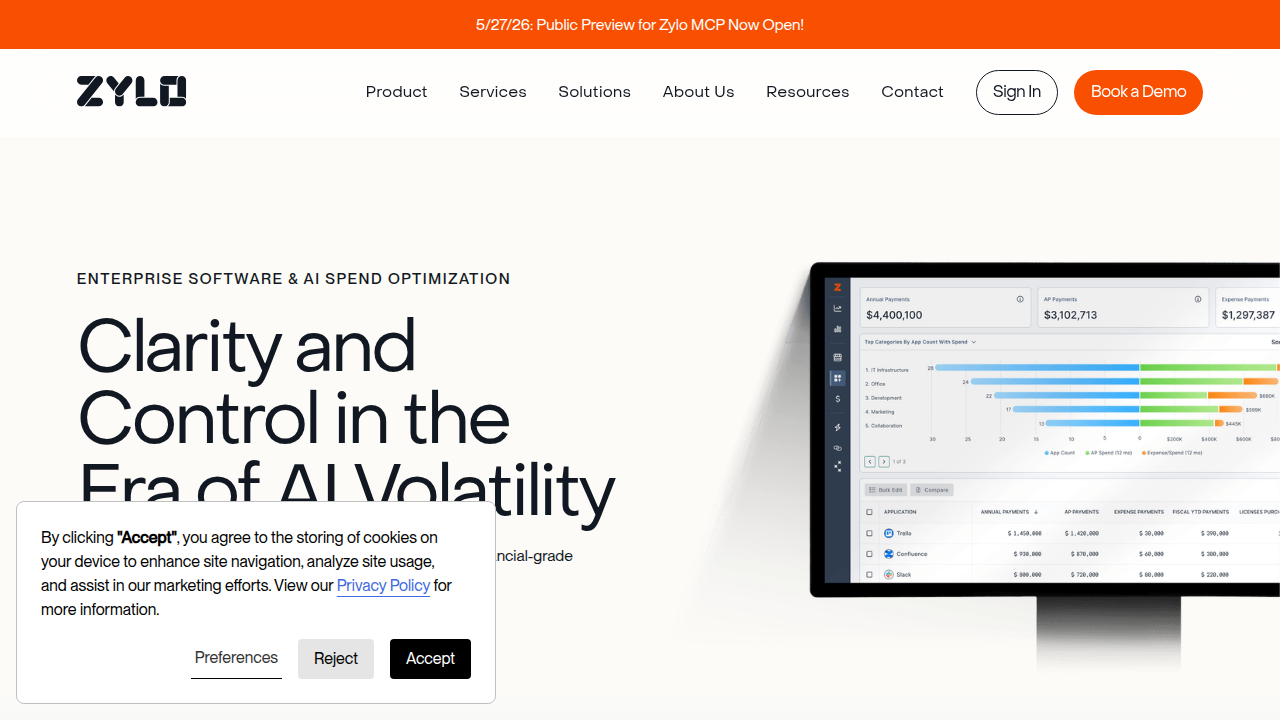
Shadow tech also makes it hard to follow important rules, like those about data privacy. If customer information is stored in an unapproved "aiken tech" app, the company might not know if that app meets legal standards. This can lead to big fines and a loss of trust. Many organizations are focused on SaaS compliance in 2026 to manage these risks [SaaS Compliance Management: A Complete Guide for 2026 – Zylo].
Finally, there’s data governance. This means knowing where your data is, who can see it, and how it’s protected. With shadow tech, data can end up in many different places, making it hard to manage. This creates "blind spots" that can lead to data loss or confusion. Experts agree that shadow IT brings security and compliance risks, potentially exposing sensitive data [Managing Shadow IT: Top Strategies for 2026].
Good speed versus future problems
Shadow tech often starts because people want to work faster. A team might use a "tech express" solution to get a project done quickly. This can seem like a win, boosting how much work gets done right now. This is the "opportunity" part of shadow tech.
However, this speed comes with a cost. Each unapproved tool adds to what’s called "technical debt." This means that IT will have to spend more time later fixing problems caused by these unofficial tools. It could be integrating data, making sure the tool is secure, or removing it if it causes issues. This takes time and money away from other important tasks.
What investors and buyers think
When it comes to investors and company buyers, shadow tech sends mixed signals. On one hand, venture capitalists (VCs) like to see companies that are agile and can move fast. If a company can quickly test new "tech tools" and improve, that can be a good sign. Investors are often drawn to Stark Tech 2026 Attracting Investors and Accelerating Fundraising that shows promise.
However, VCs and enterprise buyers also look for stable, secure businesses. A company with too much shadow tech looks risky. It shows poor control, which can be a big red flag. Security threats are a major concern, especially with the rise of AI. For example, AI now drives 83 percent of breaches, making security a top concern in 2026 [Gigamon 2026 Survey: AI Now Drives 83 Percent of Breaches as …]. A company that can’t show it has a clear plan for its technology might struggle to get investment or be bought by a larger company. They want to see that the company manages its risks well and has a clear understanding of its entire tech setup.
Understanding the deep connections between business growth and technology can be complex. Get clear daily AI updates from The AI Newsletter Worth Reading.
After looking at the big picture of risks, it’s clear that companies need better ways to handle their technology. Smart businesses in 2026 are finding that the right enterprise platforms can actually help tame "shadow tech" and keep things secure. These platforms come with special features that make it easier for IT to see and manage all the software being used.
How special platform features help with shadow tech
Good enterprise platforms are built to stop "shadow tech" before it becomes a problem. They offer tools that give IT teams more control without slowing down employees.
- Single Sign-On (SSO): This lets users log into many different apps with just one username and password. When a company uses SSO for all its main tools, employees are less likely to sign up for new, unapproved apps with separate logins. This helps IT see what tools are in use, as shown in insights about The Role of SaaS Management in Reducing Shadow IT in 2026 | Torii.
- Data Connectors: These are like bridges between different software programs. If a platform has strong data connectors, it can link to other official business tools. This makes it easier for teams to share information safely and means they don’t need to find unapproved "tech express" solutions to move data around.
- Activity Monitoring: This feature lets IT see who is using what software and how. If an employee starts using a new, unapproved "tech plug," activity monitoring can help IT discover it quickly. Tools for Best Shadow IT Management Tools Compared 2026 – Nudge Security help with this.
- API Governance: APIs are like hidden doors that let different software talk to each other. When platforms manage these doors well, IT can control what information goes in and out of approved apps. This stops unapproved "aiken tech" from accidentally sharing important company data. This is very important for new AI "tech tools" as well, with solutions like Best AI Governance Tools for Enterprises (2026) – Grip Security helping companies stay safe.
How platform design changes shadow tech use
The way a platform is designed can either invite "shadow tech" or push it away. If a company’s official platforms are hard to use, slow, or don’t offer the features employees need, people will look for other options. But if the official tools are easy to use, powerful, and meet team needs, then employees are much less likely to seek out unofficial "tech tools." Good design makes approved tools the best choice. For founders looking to make smart tech choices, understanding how to pick the right tech tools for startups 2026 that attract investors and accelerate fundraising is key.
A quick check for new platforms
When your procurement and product teams are looking at new enterprise platforms, they should ask some key questions to make sure they’ll help control "shadow tech":
- Does it work well with our existing security systems, like our SSO?
- Can it easily connect to our other official business apps?
- Does it let us keep an eye on how it’s being used?
- Is it easy for our employees to learn and use?
- Does it offer the features our teams actually need to do their jobs well?
By choosing platforms with these helpful features, companies can keep their technology organized, secure, and ready for growth.
Even with the best platforms in place, thinking about security, staying compliant with rules, and managing risks from other companies is super important. When employees use unapproved software, also known as shadow tech or tech express, it can cause big problems for a company. These problems include legal issues and breaking important rules about data.
Understanding the Dangers of Shadow Tech
Shadow tech can lead to many hidden dangers that most people don’t think about right away. For example, where is your company’s data actually stored if an employee uses an unapproved cloud app? This is called data residency, and different countries have different rules for it. If your data ends up in the wrong place, your company could face big fines. Also, privacy laws like GDPR or CCPA are very strict about how personal information is handled. Unapproved tech tools might not follow these rules, putting sensitive customer or company data at risk.
Another big problem is auditability. Companies often need to show proof that they are following all the rules and keeping data safe. If shadow tech is in use, it’s very hard for them to prove this because IT doesn’t know about it. This can make it tough to pass audits and could lead to more legal trouble. Experts agree that shadow tech can expose sensitive information and create compliance risks that are hard to manage without proper tools and strategies Managing Shadow IT: Top Strategies for 2026.
Simple Steps for Finding and Fixing Shadow Tech
Companies in 2026 can take clear steps to deal with shadow tech.
- Find It: First, you need to know what
shadow techis being used. This can be done with special software that scans networks for unapproved apps. This process is often calledshadow techdiscovery, and there are guides to help companies perform it well Shadow IT Discovery: A Complete 2026 Guide. - Check It: Once you find
tech toolsortech plugsthat are not approved, you need to check how risky they are. This includes looking at their security, how they handle data, and what other companies they might share data with. This is part of third-party risk management. Many companies use special software platforms to help them with this, as seen in guides to Best Third-Party Risk Management Software in 2026. - Fix It: After finding and checking the risks, companies need to decide what to do. Sometimes, the
shadow techcan be approved and brought under IT control. Other times, it needs to be stopped, and employees need to be given better, approved tools to do their jobs. It’s all about making sure that every piece ofaiken techused in the company is safe and compliant.
Working Together with Everyone
For security teams to really cut down on shadow tech, they need to be partners with other parts of the business, not just the "no" people. If security makes things too hard, employees will just find other ways to get their work done. Instead, security teams should:
- Listen to Needs: Understand why employees are using
shadow tech. Do they need a faster tool? A simpler way to share files? - Offer Solutions: Work to find official, secure tools that meet those employee needs.
- Teach and Explain: Help employees understand the risks of
shadow techin a clear way, showing them why using approvedtech toolsis better for everyone. - Make Rules Easy to Follow: Simplify the process for approving new software so that employees don’t feel like they have to go around the rules.
By working together, IT security and business teams can create a safer, more open environment where employees feel heard and the company stays protected.

Understanding technology and how it impacts business is key for success, especially for founders. For those looking to attract investors, grasping the nuances of different types of tech tools can make a big difference in how your company is perceived. For more insights on how these types of technical understandings can influence your success, consider checking out information on founders who understand computer systems technology attract more investors.
To stay updated on the latest trends in AI and technology that might affect your startup’s strategy, you’ll want to read this.
The AI Newsletter Worth Reading
Security teams working closely with other business areas is key. Building on that idea, companies can actually turn the challenge of shadow tech into a strength by being smart about how they design and sell their own products. It’s all about making solutions that employees want to use and that fit well within company rules.
Product and GTM Strategies to Turn Shadow Tech into Advantage
Instead of just trying to block shadow tech, companies in 2026 can get ahead by offering great official solutions. This means thinking about how products are made and how they are sold.
Designing Products That Help
First, companies should create tech tools that are easy for employees to use and that connect smoothly with other systems. When a product is well-designed and solves a real problem, employees are less likely to look for unapproved tech express options.
Imagine a software that helps track projects. If it’s hard to use or doesn’t work with the company’s main chat app, employees might find a simpler, unapproved alternative. So, designing for easy integration is vital. Experts suggest that a good approach to handling shadow tech is through careful SaaS management. This helps you find, check, and control unapproved apps by looking at things like login records and spending data The Role of SaaS Management in Reducing Shadow IT in 2026.
Some modern solutions even let companies build their own secure internal tech tools. This can mean less shadow tech because teams can create exactly what they need in a safe environment, as highlighted by tools tested in 2026 that help reduce it 7 Best Shadow IT Tools for 2026: Tried and Tested.
Smart Ways to Sell Your Solutions
Even the best products need the right sales approach. This is often called "go-to-market" or GTM strategy.
- Detection-first sales motions: A company can start by helping potential customers find their own
shadow tech. Once they see the risks, they will be more open to buying approved solutions. This method builds trust. - Co-sell with platform partners: Working with big tech companies can help. If your
tech plugworks seamlessly with a major platform like Microsoft or Google, more businesses will trust it. - Building trust with procurement: The people who buy software for a company need to feel sure that your product is safe and follows all rules. Being open about security features and compliance helps a lot. For any startup, having the right
tech toolscan also help attract investors and speed up fundraising efforts Tech Tools For Startups 2026 That Attract Investors And Accelerate Fundraising.
What to Do with Existing Shadow Tech
When shadow tech is found, companies have a few choices:
- Embrace it: If an unapproved
aiken techsolution is truly useful, secure, and helps employees do their job better, the company might officially adopt it. - Integrate it: Sometimes,
shadow techcan be connected to the official systems. This way, the company can still get the benefits while adding necessary security and control. - Deprecate it: If the
shadow techis too risky, not needed, or doesn’t meet company standards, it should be phased out. Employees would then be given a better, approvedtech toolto use instead.
By taking these steps, businesses can turn a potential problem into an opportunity to improve their operations and keep their data safe.
Investor Lens: How VCs and Acquirers Evaluate Shadow Tech Risks in Due Diligence
After a company works hard to manage its shadow tech, another important step is how investors look at these efforts. When startups want to get money from investors or be bought by bigger companies, those investors or buyers do a deep dive called "due diligence." This is when they check everything about the company. And guess what? Shadow tech is a big red flag if not handled right.
What Investors Ask About Shadow Tech
Investors and buyers are very careful. They want to know all the risks before they put their money in. When it comes to shadow tech, they worry about a few key things:
- Exposed Data: Is any sensitive company or customer information sitting in unapproved
tech tools? If data is not protected, it can lead to big problems like data breaches, which can hurt the company’s reputation and cost a lot of money. A clear checklist for investors in 2026 highlights cybersecurity exposure as a major concern during due diligence Tech Due Diligence for Private Equity: Process & Investor Guide.

- Dependencies: Are important parts of the business relying on
shadow techthat could suddenly stop working? For example, if a team uses a free online service for a key task, what happens if that service changes or shuts down? This creates instability. - Technical Debt:
Shadow techoften means quick fixes or temporary solutions. These can become "technical debt" later, meaning the company will have to spend more time and money to fix or replace them with propertech tools. This can slow down future growth and innovation. Investors use a thorough checklist to uncover these risks Your Ultimate Technical Due Diligence Checklist: 8 Core Areas for ….
Getting Ready: Documenting and Fixing Shadow Tech
For startups looking to raise money, dealing with shadow tech before investors even ask is a smart move. This means:
- Finding All Shadow Tech: Know every single unapproved
aiken techsolution being used. You can’t fix what you don’t know about. - Checking Risks: For each
tech plugortech expressapp, figure out if it’s risky. Does it hold important data? Is it secure? - Making a Plan: Decide what to do with each piece of
shadow tech. Will you officially adopt it? Integrate it? Or remove it and offer a better, approvedtech tool? - Documenting Everything: Keep clear records of what
shadow techwas found, what risks it had, and how you fixed it. This shows investors you are in control.
Being ready helps you attract investors. Founders who understand how to manage their computer systems and technology often find it easier to gain investor trust, which can lead to more successful fundraising efforts Founders Who Understand Computer Systems Technology Attract More Investors.
Signals That Reduce Investor Friction
When startups are open and prepared, it makes investors feel much better. Here are some good signs that reduce friction:
- Honest Disclosure: Don’t hide
shadow tech. Explain what you found and how you handled it. This builds trust. - Clear Policies: Show that you have rules in place for using new software and that you teach employees about these rules.
- Active Management: Demonstrate that managing
shadow techis an ongoing process, not just a one-time fix. Investors want to see continuous effort in technical due diligence Technical Due Diligence Key Elements: Checklist for 2026. - Security Reports: Share any security audits or reports that show your systems are safe.
A well-prepared technical due diligence process can greatly improve a startup’s chances of successful fundraising and can even prevent issues from lowering the company’s value Technical Due Diligence for Startups: A Checklist. Having the right tech tools can also help attract investors and speed up fundraising efforts Tech Tools For Startups 2026 That Attract Investors And Accelerate Fundraising. By showing a clear understanding of your tech landscape and how you manage unofficial tools, you give investors confidence in your business’s future.
Want to stay informed on the latest technology trends that impact fundraising and investment? Get clear daily AI updates from The AI Newsletter Worth Reading.
Summary
Shadow tech describes the unofficial software, AI, automations, and tools employees adopt outside IT approval, and for growth-focused companies in 2026 it represents both a major risk and a source of innovation. This article explains how shadow tech emerges—through SaaS sign-ups, browser extensions, niche point tools, and low/no-code automations—where it appears most often, and why it creates security, compliance, and technical-debt problems. It outlines a practical three-step approach (discover, assess, remediate) plus platform features (SSO, data connectors, activity monitoring, API governance) that help bring hidden tools under control without killing speed. The piece also covers how product and go-to-market teams can convert shadow tech into market advantages and what investors look for during due diligence, so founders can document fixes and reduce friction when fundraising.