
Why disabled veteran business start up grants matter — and how this guide helps
Many brave men and women serve our country with courage. When they come home, some veterans face new challenges, often due to injuries or health issues from their service. These challenges do not stop their dreams of starting a business.

Actually, many want to create their own companies and keep contributing in new ways. But finding money to start a business can be tough for anyone. For disabled veterans, it can sometimes be even harder.
This is where special help, known as disabled veteran business start up grants, comes in. These grants are like free small business money set aside just for veterans who have a disability connected to their time in service. To get this type of support, a business usually needs to be at least 51% owned and run by one or more service-disabled veterans. The Department of Veterans Affairs (VA) checks and confirms if a veteran has a service-connected disability ^1^ ^2^. The Small Business Administration (SBA) also has programs to help these special businesses, called Service-Disabled Veteran-Owned Small Businesses (SDVOSBs) ^3^.
Starting any business has its hurdles. For veterans, especially those with service-connected disabilities, the path to getting funds can be especially bumpy. They might not have the same easy access to investors or traditional loans that others do. These targeted grants act as a very important bridge, helping disabled veterans overcome these money problems. They offer funds that do not need to be paid back, which can greatly reduce stress and allow veterans to focus on growing their ideas into successful companies.
This guide will walk you through everything about disabled veteran business start up grants. We will explain what kinds of things these grants cover, who can get them, and how they help veterans beat common challenges when starting a company. We’ll also look at other ways to find money, like crowd funding for business or other unique financing options, to make sure you have all the tools you need. If you’re looking for more general ways to find money for your company, check out The Founders Guide to Securing Startup Capital in 2026.
Staying updated on all kinds of business trends, especially in fast-changing areas like technology, can also give your startup a big boost.
Get clear daily AI updates from The AI Newsletter Worth Reading.
Citations:
[^1^]: Service-Disabled Veteran Owned Business (SDVOSB) Program
[^2^]: Billing Code: 8026-09
[^3^]: Veterans – Small Business Administration – SBA
To get disabled veteran business start up grants, you need to meet certain rules. These rules make sure the special help goes to the right people. It’s like having a checklist to see if you qualify for this free small business money.
Your Service-Connected Disability Status
The first and most important rule is that you must be a veteran with a service-connected disability. This means an injury or illness that happened or got worse because of your military service. The Department of Veterans Affairs (VA) is the group that checks and confirms if your disability is service-connected. They will give you a rating or official paperwork about it. To be called a "service-disabled veteran," you must have been in the military and left under good conditions, and your disability must be linked to your service Service-Disabled Veteran-Owned Small Business. This confirmation from the VA or Department of Defense is key for your application SDVOSB Certification: Requirements and Benefits Explained.
Business Ownership and Control Rules
Once your disability status is clear, the next big part is about your business itself. For most disabled veteran business start up grants, your company needs to follow these rules:
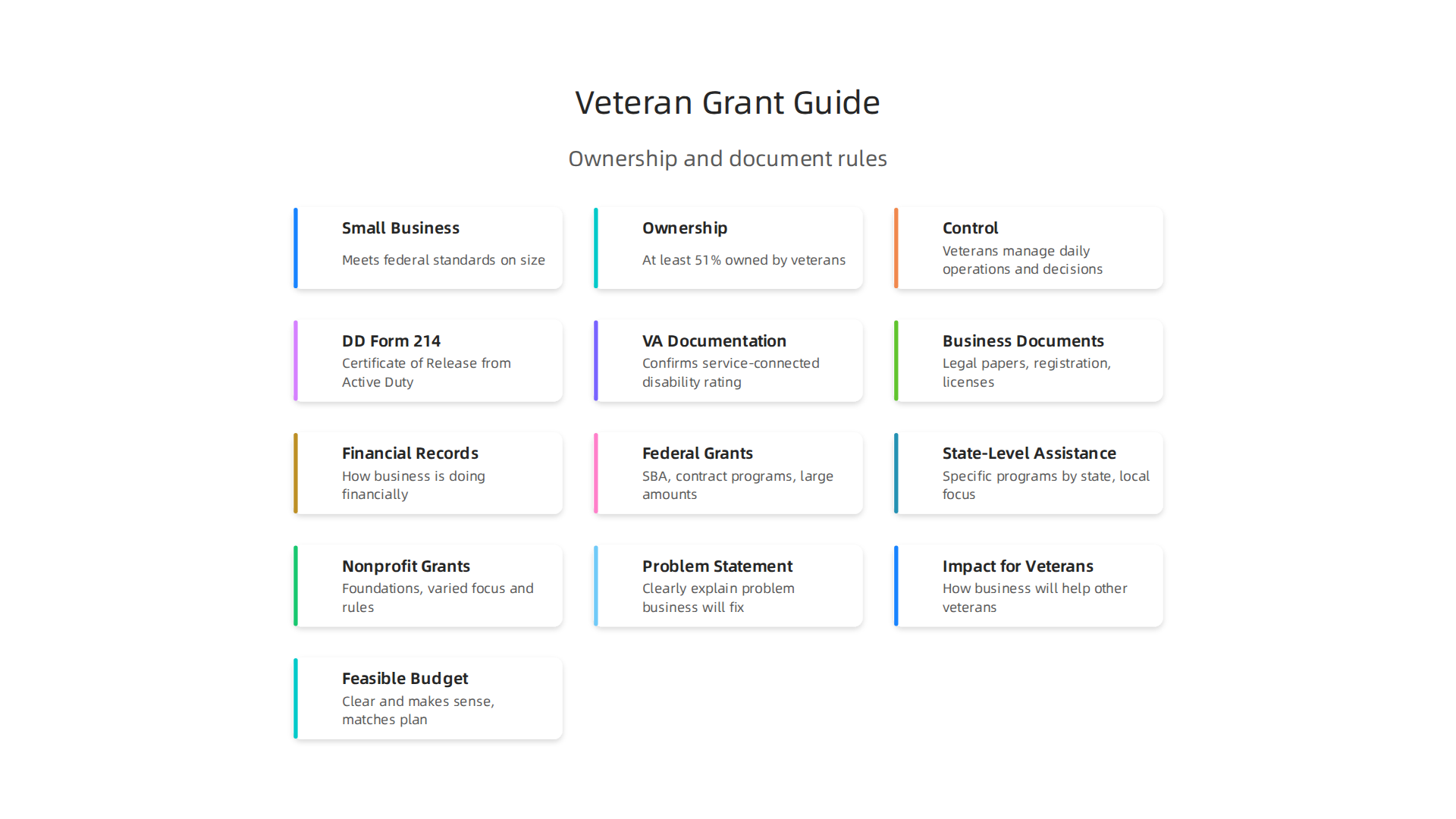
- Small Business: Your business must be considered a "small business" by federal standards. These standards depend on your type of business and how many people you employ or how much money you make each year.
- Ownership: You, as the service-disabled veteran, or a group of service-disabled veterans, must own at least 51% of the business. This shows you have the main say in how the company is run.
- Control: Beyond just owning a part, one or more service-disabled veterans must also manage the daily operations and make the important, long-term decisions for the business. This means you are actively in charge, not just a silent partner DEFENSE LOGISTICS AGENCY.
Residency Requirements
Sometimes, grants might also have rules about where you live. For example, some state programs may require you to be a resident of that state to qualify for their specific disabled veteran business start up grants. While federal grants are for veterans across the country, always check the fine print for any local or state grants you find.
Key Documents You Will Need
Getting all your paperwork ready is a big step for any grant application. For disabled veteran business start up grants, you will definitely need:
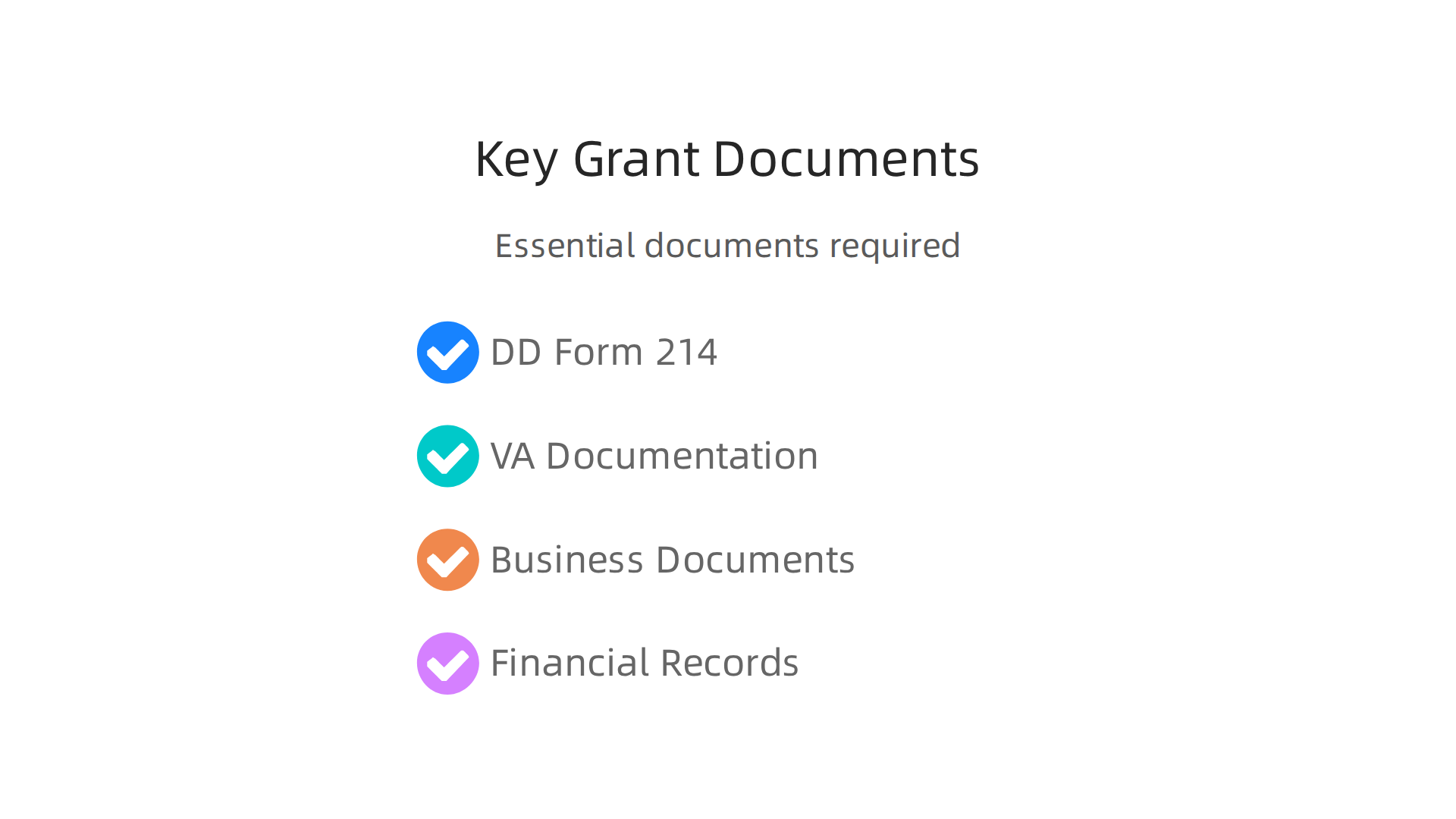
- DD Form 214: This is your Certificate of Release or Discharge from Active Duty. It proves your military service.
- VA Documentation: Official letters or forms from the VA that confirm your service-connected disability rating. This is super important for proving your disabled veteran status 100 Disabled Veteran Business Grants 2026: Top Programs, … | GrantsForYou.
- Business Documents: This includes your business’s legal papers, like its registration, articles of incorporation, and any licenses it needs.
- Financial Records: You’ll also need to show how your business is doing financially, or how you plan to manage money if it’s a new company.
Gathering these documents early can make the application process much smoother. If you need help putting together all the information for potential funders, learning to create your winning funding package for startup success can be a real game-changer.
Finding the right funding is a big step for any business, especially for veterans looking for a boost. Thankfully, there are many places to find disabled veteran business start up grants.
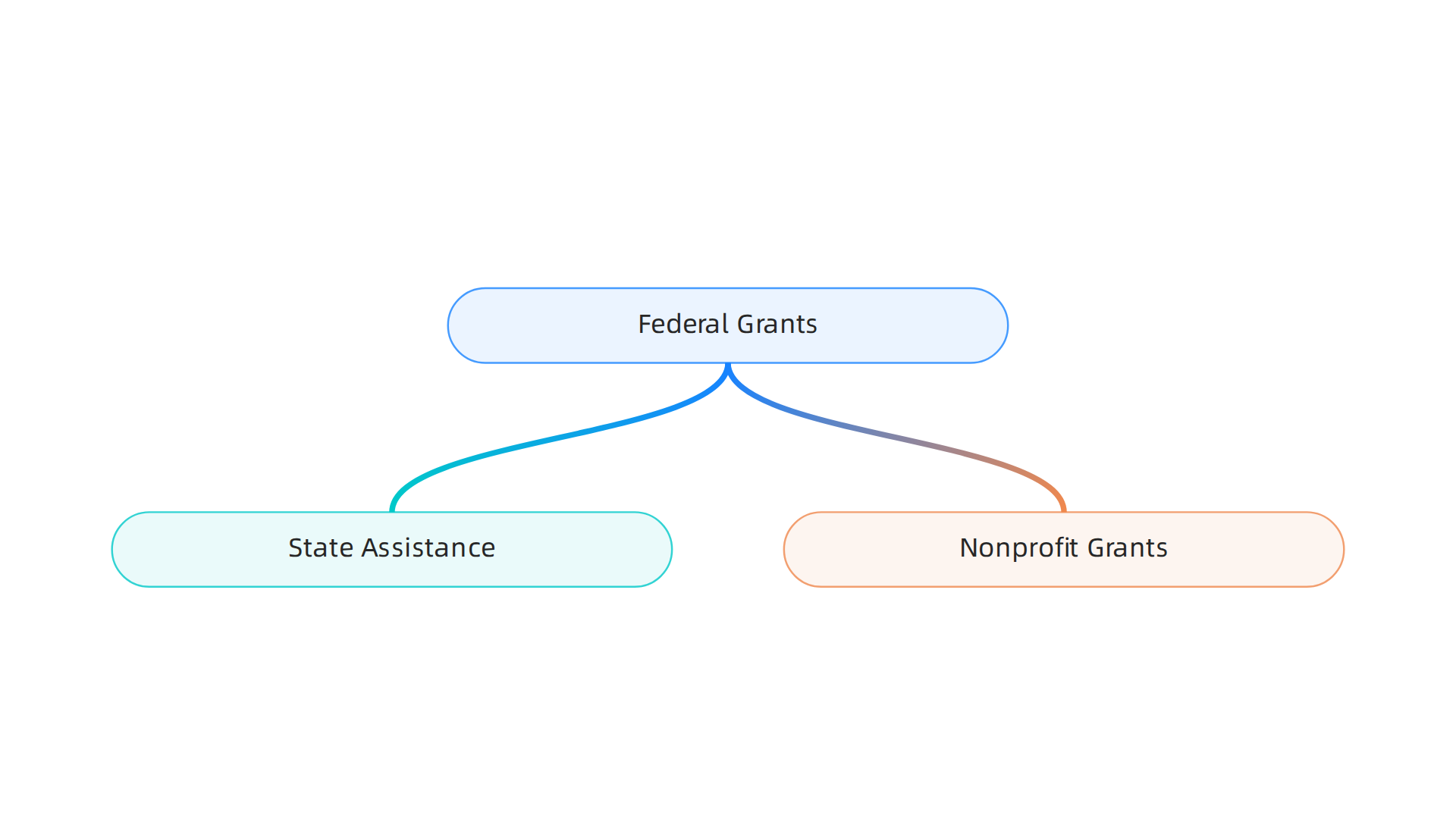
These grants come from different groups like the government and private organizations, each with its own focus and rules.
Federal Grants
The U.S. government offers different kinds of help for disabled veterans who own businesses. The Small Business Administration (SBA) is a key player here. While the SBA mostly offers loans and guarantees, they also provide programs that help you get ready for grants or government contracts. For example, the SBA supports training programs that teach veterans how to run a business and understand funding. You can learn more about these efforts to help veterans grow their businesses on the SBA’s page for veterans.
A big part of federal support isn’t just direct grants, but also special chances for contracts. The Service-Disabled Veteran-Owned Small Business (SDVOSB) program helps disabled veterans get a fair shot at government jobs. The government tries to give a good share of its contracts to these businesses each year. This is like a special way for your business to earn money through federal work.
Federal grants often focus on things like business development, training, and helping veterans get back into the workforce. The application times can be very specific, and the amounts can be quite large, but competition can be tough.
State-Level Business Assistance
Beyond the federal help, many states also have their own programs for disabled veteran business start up grants. These state programs can be different from one place to another. For instance, some states might have specific grants for veterans who live there and want to start a business. California, for example, has programs for disabled veteran business enterprises that focus on helping them apply for state contracts and get certified Apply For or Re-apply as Small Business, Disabled Veteran …. Other states, like Colorado, offer Veterans Assistance Grants that can help with business needs Official Opportunity Details.
These state programs might offer smaller amounts of free small business money than federal grants. They often focus on helping businesses in their local areas, supporting local economies, and providing job training or equipment. Always check your state’s veterans affairs office or small business development centers to see what’s available.
Nonprofit and Foundation Grants
You can also find disabled veteran business start up grants from private groups, called nonprofits or foundations. These groups care deeply about helping veterans and often offer grants to support new businesses.
For example, organizations like Hiring Our Heroes have a Small Business Grant Program that awards money to businesses owned by veterans or military spouses Small Business Grant Program – Hiring Our Heroes. Other foundations might offer grants throughout the year. These grants can be for specific needs, like buying new equipment, getting special training, or even just for starting costs.
Nonprofit grants usually have different application cycles and award amounts. They can be very helpful because they sometimes have fewer strict rules than government grants. You might find that these grants are very focused on a certain kind of business or a specific need within the veteran community. It’s a good idea to look for groups that match your business’s goals and values.
To succeed in finding any of these grants, it’s really important to have a clear plan for your business and know what kind of money you need. Understanding how to excelerate funding guide for startups can make a huge difference.
Finding the right disabled veteran business start up grants means looking in all these different places. Each type of program offers unique chances and support. Keep learning about what’s new in the world of business and technology, especially as things change quickly. Get clear daily AI updates from The AI Newsletter Worth Reading.
Getting disabled veteran business start up grants means more than just finding them; it means writing a powerful application. Grant givers look for certain things in your application. They want to know you have a clear plan, understand the problem you’re solving, and can really make a difference.
What Funders Look For
When you apply for free small business money, your application needs to stand out. Here are the main parts they will check:
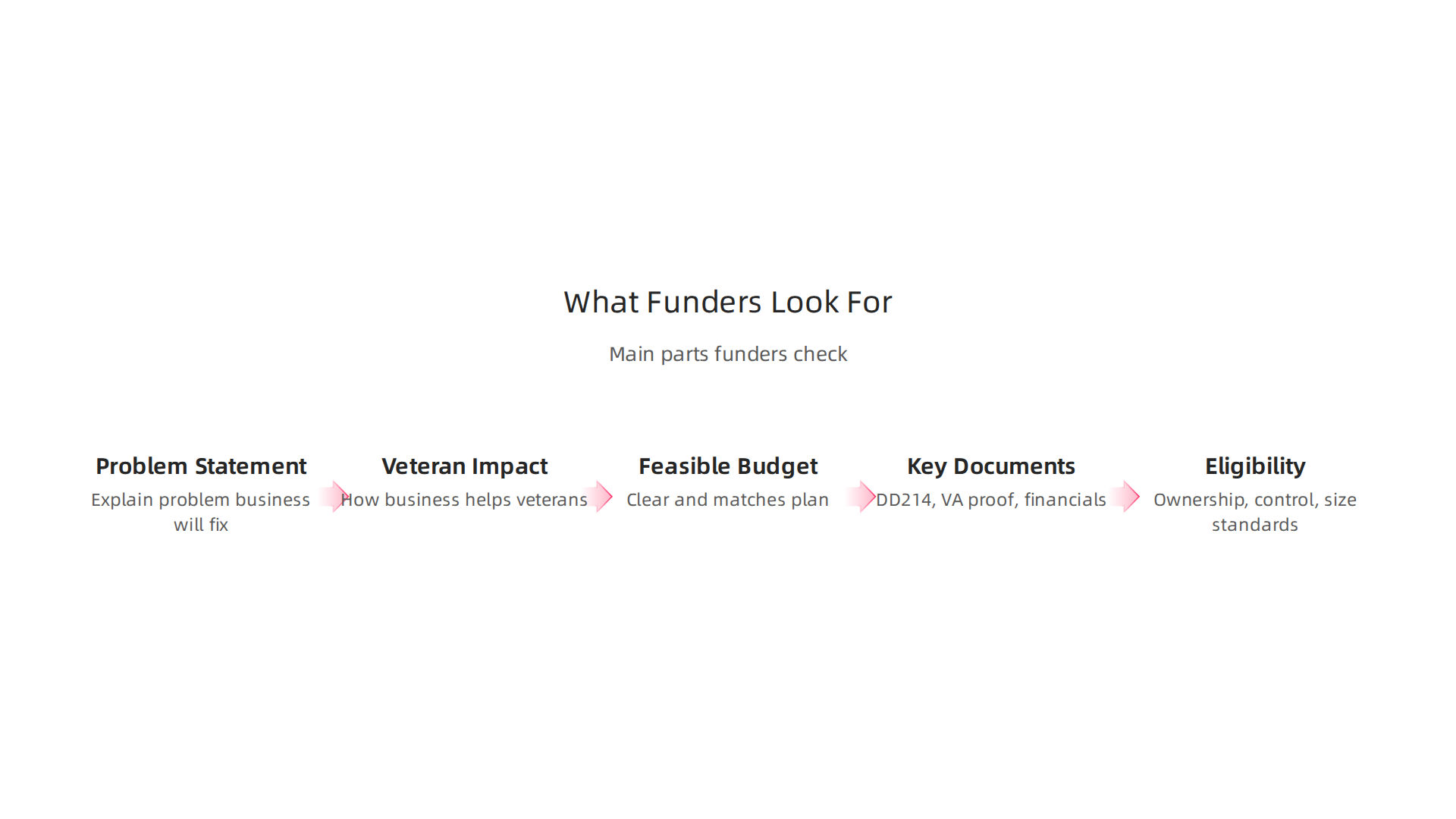

- Problem Statement: You need to clearly explain the problem your business will fix. Why is this problem important? Who does it affect? For a veteran-owned business, this often means showing how your company addresses a real need for veterans or the community. Make it easy for the reviewers to see why your business matters.
- Impact for Veterans: This is super important for disabled veteran business start up grants. How will your business help other veterans, their families, or the community? Will it create jobs for veterans? Provide special services? Show how your business will have a positive and lasting effect. Reviewers often follow a guide to score and rank applications, looking at how well you meet the goals of the grant Chapter 04 – Grant Application Review and Award Process.
- Feasible Budget: Your budget shows how you will spend the grant money. It must be clear and make sense. Every item in your budget needs to match what you wrote in your plan. If you say you need money for new computers, your plan should explain why those computers are needed for your business. Grant reviewers look for budgets where every expense is directly related to your project story Reviewers’ Handbook. They also want to see that your costs are reasonable and truly needed for the project The Precision Paradox: Grant Proposal Template for Budget Mastery.
Creating a Clear Budget and Showing Your Success
Here’s a simple checklist to help you create a competitive application:
- Be Realistic: Only ask for money you truly need and can spend wisely.
- Match Your Story: Make sure your budget talks about the same things as the rest of your application. Every cost should be part of your business plan.
- Show How You’ll Measure Success: How will you know if your business is doing well and making the impact you promised? Set clear goals. For example, "We will hire five disabled veterans in the first year" or "Our product will serve 100 veteran customers." This helps funders see your progress.
- Show You’re Organized: Funders want to see that you can handle money well and have a good system in place. They check for things like your financial stability and your ability to run the program as planned.
By taking the time to put together a thoughtful and complete application, you greatly increase your chances of getting those important disabled veteran business start up grants. Learning how to present your business ideas clearly is a key part of securing funding. You can find more helpful tips to create your winning funding package for startup success.
Comparing grants vs. other funding: when grants make sense for disabled veteran founders
Getting disabled veteran business start up grants is a great way to start your business without owing money. But grants are just one path to getting free small business money. There are other ways to fund your business, and it’s smart to know the differences. Let’s look at grants compared to other types of funding for early-stage veteran-led businesses.
Grants: Money You Don’t Pay Back
Grants are like gifts. Organizations, companies, or the government give you money to reach a certain goal, like helping veterans or your community. The best part? You don’t have to pay it back. This is why disabled veteran business start up grants are so popular. Many programs specifically look to help veteran-owned businesses. For example, some groups like Hiring Our Heroes offer grants of $10,000 or $25,000 to veteran and military spouse owned businesses Small Business Grant Program – Hiring Our Heroes.
- When grants make sense: Grants are best for businesses with a clear mission to serve others, especially if your business helps veterans or has a social impact. They are great for getting started when you have no sales yet.
Loans: Money You Pay Back
Loans are different. When you get a loan from a bank or another lender, you agree to pay back that money over time, plus extra money called interest.
- Pros of loans: You keep full control of your business. Loans can be quicker to get than grants if you have good credit or a strong business plan.
- Cons of loans: You must pay the money back, even if your business doesn’t do well. This adds financial pressure.
- When loans make sense: Loans can be good once your business has some sales and you know you can make the monthly payments. You can explore different options for small-business grants and loans for veterans.
Angel Investors and Venture Capital (VC): Giving Up a Part of Your Business
Angel investors and venture capitalists are people or groups who give you money for your business. In return, they get a piece of your company. This is called "equity." They become part-owners of your business.
- Pros of equity funding: You don’t pay the money back. Investors often bring valuable advice and connections. They want your business to grow so their share becomes worth more.
- Cons of equity funding: You give up some ownership and control. This is called "dilution." You might have to share big decisions with your investors.
- When equity funding makes sense: This funding is often for businesses that can grow very big, very fast, like many b2c startups in usa or other tech companies. It’s a way to get a lot of money quickly, but it changes who owns your company. If you’re looking to understand more about different ways to get funding, you might want to learn how to master startup investing and fundraising strategies.
Other Funding Options
There’s also crowd funding for business, where many people give small amounts of money, sometimes getting a reward or a small piece of your company. It’s a way to involve your community.
Making Your Decision
When should you focus on disabled veteran business start up grants?
- If your business is still very new and doesn’t have much income, grants are a fantastic starting point.
- If your business directly helps other veterans, serves a community need, or works on a specific social problem, grants are likely a great fit.
- If you want to keep 100% ownership of your company and avoid debt payments, grants are an excellent choice.
Grants are often harder to get because many people apply. But for disabled veteran founders, there are many programs designed just for you, offering a real chance at free small business money to help your dreams take off.
When you are looking for disabled veteran business start up grants, the money itself is very important. But getting extra help and smart advice can be just as valuable. Think of it this way: grants are free small business money, but learning how to use that money well, and even how to get the grant in the first place, is a whole different skill. This is where practical supports like technical help, incubators, and special programs for veterans come in. They can make a big difference in your success.
Technical Assistance: Expert Help for Your Business
Technical assistance means getting expert advice and hands-on help for your business. This can cover many areas:
- Mentorship: Experienced business people can guide you, share their knowledge, and help you avoid common mistakes.
- Legal Services: Getting free or low-cost legal advice can help you set up your business correctly, understand contracts, and protect your ideas.
- Financial Guidance: Experts can help you make a strong business plan, manage your money, and understand what grant reviewers look for in a budget. Having a clear budget is key when applying for grants. For example, grant applications often require detailed plans on how funds will be used and how your business will manage money overall VETS Application Guide for PY26 HVRP FOA – DOL.gov.
- Grant Writing Support: Many veterans struggle with writing strong grant applications. Technical assistance can provide workshops or even direct help to make your application stand out. This kind of support can greatly increase your chances of getting those disabled veteran business start up grants. The Department of Labor even offers resources for technical assistance VDC Resources – NWD Technical Assistance Community.
Incubators: Growing Your Business from an Idea
An incubator is like a safe place for new businesses to grow. It offers a lot of resources for early-stage companies, often including:
- Office Space: A place to work and meet clients.
- Shared Resources: Things like meeting rooms, internet, and sometimes even shared administrative staff.
- Training and Workshops: Classes on how to run a business, market your products, or manage your finances.
- Networking: Connecting you with other founders, mentors, and potential investors.
Incubators are great if you have a business idea but need help turning it into a real company. They help you build a strong foundation, which is exactly what grant funders want to see.
Veteran-Focused Accelerators: Fast-Tracking Your Growth
Accelerators are programs designed to help businesses grow quickly over a short period, usually a few months. They are more intensive than incubators and often look for businesses that already have some traction or a clear product. Many accelerators are now specifically for veterans.
What to expect from a veteran-focused accelerator:
- Intensive Training: Focused workshops on scaling your business, marketing, and investor readiness.
- Mentorship: Direct guidance from experienced business leaders and sometimes even former military entrepreneurs.
- Networking Opportunities: Access to a strong network of investors, partners, and other veteran founders.
- Pitch Opportunities: Chances to present your business to potential funders or partners.
- Potential for Funding: Some accelerators offer a small investment or a grant as part of the program. For instance, the PenFed Foundation has a Veteran Entrepreneur Program with both an Incubator for new ideas and an Accelerator for existing businesses Veteran Entrepreneur Program –. The Veteran Loan Fund also launched an Accelerator to support veteran and military spouse businesses in 2026 Veteran Loan Fund launches Accelerator to boost Veteran and Military Spouse Businesses.
These programs are especially useful for b2c startups in usa or any business that aims for fast growth. They can teach you how to refine your business model and present it in a way that appeals to those offering free small business money, including grants. To truly master the art of funding, exploring how to get more strategic capital can also be helpful Mastering the Angel Investment Network to Secure Seed Funding for Your Startup.
By using these practical supports, disabled veteran founders can improve their skills, build stronger businesses, and significantly increase their chances of securing disabled veteran business start up grants.
Getting disabled veteran business start up grants is a huge win for your business. But the work does not stop once you get the money. Actually, making sure you follow all the rules after getting the grant is super important. If you don’t, you could lose the funding or even have to pay it back. This part talks about common mistakes and how to avoid them, especially for b2c startups in usa.
Keeping Track of Everything: Your Grant’s Best Friend
When you get free small business money from a grant, you agree to certain rules. These rules are about how you use the money and how you report what you are doing. Here are some common things you need to watch out for:
- Reporting on time: Grant makers want to know how you are using their money. They will ask for regular reports. These reports often include how much money you’ve spent and what progress your business is making. Missing a report deadline can be a big problem Post-Award Reporting Requirements. It shows you might not be managing the grant well.
- Spending money correctly: You can only spend grant money on things the grant rules say are allowed. For example, if your grant is for equipment, you cannot use it to pay for a team lunch. Every dollar must be
allowable, allocable, and reasonable, meaning it’s permitted, specific to the project, and a fair cost The Precision Paradox: Grant Proposal Template for Budget Mastery. Always check your grant agreement to know what is okay and what is not. - Being ready for checks (audits): Sometimes, grant organizations will check your books to make sure you followed all the rules. This is called an audit. If your business spends a lot of federal money, say $750,000 or more in a year, you might even need a special audit called a Single Audit Federal Grant Compliance 2026: 2 CFR Part 200 Uniform Guidance. Staying organized from the start makes these checks much easier.
A Simple Compliance Checklist for Your Business
To help you stay on track, here is a simple list to follow:

- Read your grant agreement carefully: Understand every rule about how to spend the money and what reports you need to send.
- Keep good records: Save all receipts, invoices, and bank statements related to the grant money. It is best to keep these records for at least three years after your final report Post-Award Grant Management: A Compliance, Reporting ….
- Separate grant money: If possible, keep your grant money in a separate bank account. This makes it much easier to track.
- Mark your calendar: Write down all reporting deadlines and stick to them. Many grant agencies have specific dates for different types of updates ETA 2026 FOA Application Guide.
- Use the money as planned: Only spend grant funds on the specific goals you outlined in your application. For example, if you got
title one funding, make sure your expenses align with that purpose. - Review your progress often: Look at your project and spending every few months. This helps you catch small problems before they become big ones.
For small teams, keeping good records might seem like extra work. But using simple folders, spreadsheets, or even a basic accounting program can make a big difference. This careful work protects your business and shows you are serious about managing disabled veteran business start up grants. It also helps you get more funding in the future.
Building on the success of properly managing your grant money, the next big step is growing your network. Finding the right partners, investors, and even co-applicants can make a huge difference, especially when you are seeking more disabled veteran business start up grants or other forms of free small business money. A strong network not only helps your business grow but also makes your future grant applications much stronger.
Why Partners and Co-Applicants Are Important
When you apply for disabled veteran business start up grants, having partners or co-applicants shows that your project has more support and resources. This means the grant provider might see your business as less risky and more likely to succeed. Partners can bring new skills, extra funds, or access to different groups of people. For example, if your b2c startups in usa works with a local nonprofit, you might reach more customers or get support from the community. Some grants even require you to have partners.
Working with a co-applicant means you share the grant project and its responsibilities. This can be great if you both have different strengths that make the project complete. For instance, some grant programs have co-applicant guidelines where a clear main applicant must lead, but the combined effort makes the proposal more powerful.
Where to Find Your Network
Finding the right people and groups to connect with is key. Here are some great places to start:
- Veteran Business Councils and Programs: Many groups exist specifically to help veteran entrepreneurs. The Veteran Loan Fund launches Accelerator to help military-connected business owners. The PenFed Foundation Accelerator offers programs for businesses ready to grow. Groups like the National Veteran Small Business Coalition Education Foundation also provide support, training, and networking events. The SBA Grow your business programs also often have resources specific to veterans.
- Investor Networks: If you are looking for more than just grant money, venture capital groups for veterans are out there. The Veteran VC Coalition is one such group that supports veteran entrepreneurs. Joining these networks can open doors to private funding and mentorship.
- Nonprofit Partners: Look for local nonprofits that share your business goals. If your
b2c startups in usaaims to help a specific community, a partnership could boost your chances for grants liketitle one fundingwhich often focus on public service. The Veteran Business Project helps match veterans with mentors and funding options.
Building these connections takes time, but it is well worth the effort. It helps you find more free small business money and other ways to fund your startup, including exploring options like crowd funding for business. Staying updated on the latest trends and opportunities in the market can also give you an edge.
For daily insights into AI and technology, which can inform your business strategy and potential partnerships, consider subscribing to The AI Newsletter Worth Reading. It offers clear updates beyond just fundraising news to give you broader tech market intelligence.
Learning how to master startup investing and fundraising 2026 strategies for unrivaled success is crucial. By being part of a strong network, you not only get help for today but also build a path for long-term success.
Summary
This guide explains disabled veteran business start‑up grants: what they are, who qualifies, and how they help veterans launch companies without taking on debt. It covers the core eligibility rules—service‑connected disability verified by the VA, 51% veteran ownership, and active veteran control—plus the key documents you must gather, including DD‑214 and VA disability paperwork. You’ll learn where to look for funding (federal, state, and nonprofit programs), how to craft a competitive application with a clear problem statement and realistic budget, and what funders expect for measuring impact. The article also compares grants to loans and equity, outlines practical supports like incubators and accelerators, and gives a post‑award compliance checklist to avoid common reporting and spending mistakes. By reading this, veteran founders will know where to search, how to apply, and how to manage awarded funds to grow a sustainable business.