

Why mastering startup investing and fundraising matters in 2026
In 2026, the world of startups and investments is always changing. If you want to succeed, it is very important to understand how to put money into new companies and how to get money for them. This means mastering investing in startups.
Today, things are a bit tricky. There is a lot of information everywhere, and it can be hard to know what to focus on. Also, figuring out how much a new company is really worth can be tough. It’s like trying to find a treasure chest when you do not know the map. Finding the right people to connect with, like investors or founders, also takes effort.
Reports show that the venture capital market in 2026 is very picky. There are fewer deals happening, but the checks are bigger for the companies that do get funded. Investors are looking for very strong ideas and businesses that already show good growth. This means you need clear ways to get startup funding help to stand out. According to one report, the market feels "surgical," with bigger expectations for slower growth and more revenue from startups, even if they have healthier basics than before Venture Capital Trends 2026: The Bifurcated VC Market.
This guide is for many people. If you are a founder trying to get your big idea off the ground, you will learn how to raise capital for startup in today’s market. If you are an investor looking for the next great company, you will find ways to spot good chances and make smart choices. Even if you are an advisor helping others, this guide will give you the tools to help your clients better.
By reading this guide, you will be able to:
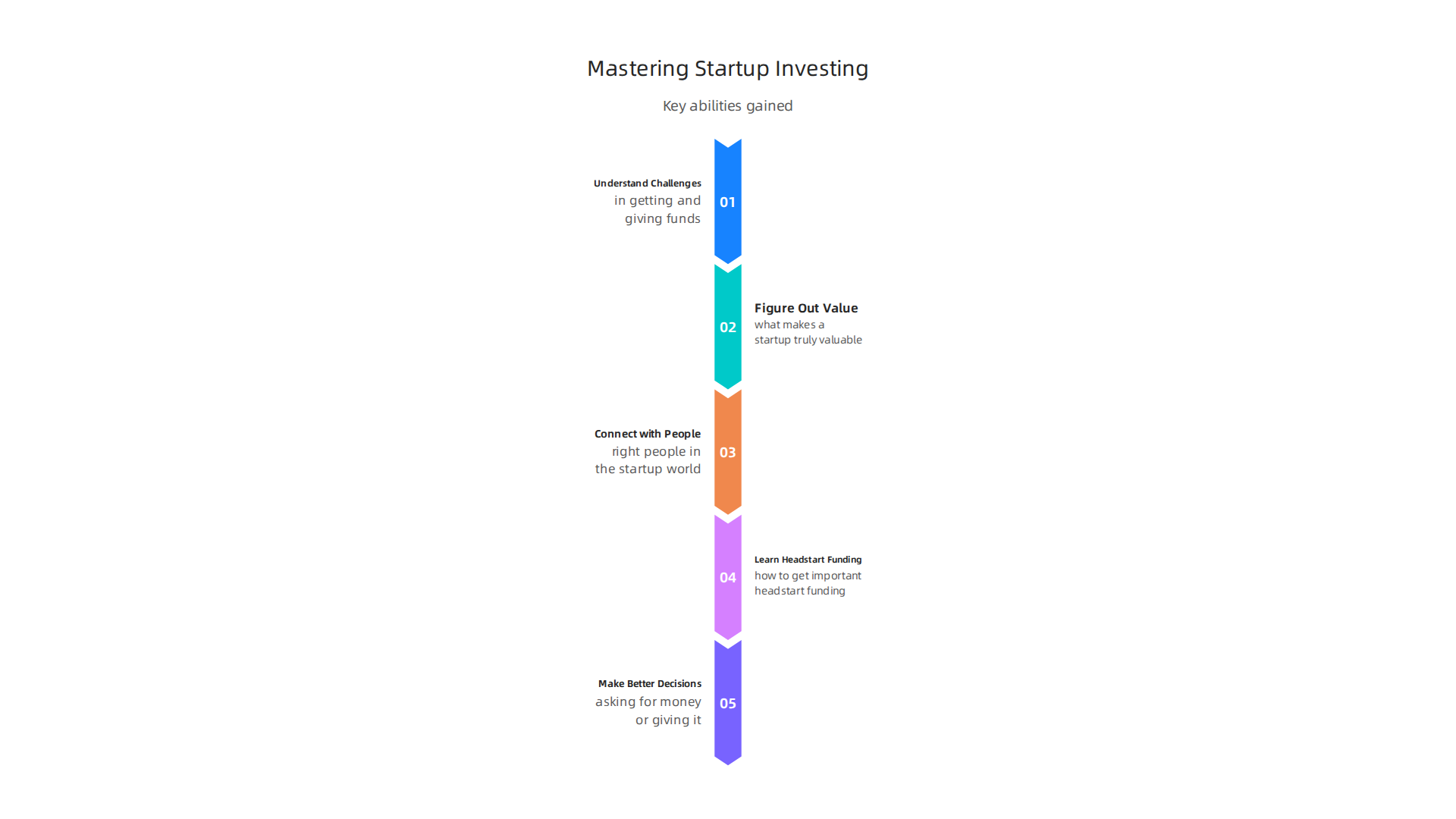
- Understand the main challenges in getting and giving funds.
- Figure out what makes a startup truly valuable.
- Connect with the right people in the startup world.
- Learn how to get important headstart funding and grow from small to capital investments.
- Make better decisions, whether you are asking for money or giving it.
Want to keep up with the fastest-moving trends that shape where smart money is going in 2026? It is crucial to understand how new technologies, especially AI, are changing everything.
Get clear daily AI updates from The AI Newsletter Worth Reading.
Reading the market: benchmarks, valuations, and sector signals
Keeping up with fast-moving trends means you need to know what’s truly happening in the startup world. This includes understanding important numbers like how much companies are worth and what different business areas are doing.

It is like having a clear map to guide your choices when you are [investing in startups].
What are valuation benchmarks?
Valuation benchmarks are like guideposts that show you what similar companies are typically valued at in the market. They help founders set fair prices for their companies and help investors decide if a deal is good. In 2026, these numbers are very important for anyone looking for [startup funding help] or giving it.
For example, a report from Q1 2026 shows that the average worth of a startup before getting its first big investment (Seed stage) has grown a lot. It is now around $18.4 million. For a company getting its next big money (Series A stage), the average worth has hit about $62 million Q1 2026 PitchBook-NVCA Venture Monitor. These numbers can change based on many things, like how well the company is doing or what kind of business it is. You can use a Startup Valuation Calculator to get a better idea.
Another way to look at how much a company is worth is through "revenue multiples." This compares a company’s value to how much money it makes from sales. For Seed stage companies, a common revenue multiple might be around 12.7 times their sales, and for Series A companies, it could be about 7.6 times their sales Startup Valuation Calculator — Revenue Multiples. Knowing these benchmarks helps both founders seeking [small to capital] and investors making big decisions.
Understanding sector signals
Beyond just numbers, it is key to watch what is happening in different parts of the economy, or "sectors." These are like signals that show where investor money is likely to go.
For instance, in 2026, Artificial Intelligence (AI) is a huge driver in the startup world. Many investors are putting a lot of money into AI companies, seeing it as a long-term change, not just a passing trend Outlook 2026: Venture Capital. This means if your startup uses AI in a smart way, you might have an easier time getting [headstart funding]. Other areas like defense technology are also getting a lot of attention from investors Venture Pulse Q2 2026.
Changes in rules from the government, how new ideas are adopted by people, and bigger economic trends also play a part. These signals can make investors more or less excited about certain types of startups. Founders need to show how their ideas fit into these larger trends. Investors need to be aware of these trends to [find and fund high-potential tech startup ideas in 2026]. Both sides benefit from understanding these signals to make smart choices.
After understanding the big picture of startup valuations and market trends, the next step for anyone [investing in startups] is to find the right companies to put money into. This is called "deal flow." It is like looking for a needle in a haystack, but with good tools, you can find the best ones.
Best channels for consistent deal flow
Getting a steady stream of good startup ideas is very important for investors, and for founders looking for [startup funding help]. Here are some common ways deals are found:
- Warm Introductions: Often, the best deals come from people you trust, like other investors, advisors, or mentors. These introductions usually mean the startup has already been checked out a bit, which saves time.
- Demo Days and Pitch Events: Accelerators and incubators often hold events where startups present their ideas. These can be great for seeing many companies at once. For instance, in Q2 2026, seed funding deals led the way in terms of number of deals, showing how active the early-stage market is The State of Startup Funding: Q2 2026, A Complete Analysis.
- Online Platforms and Angel Networks: Websites that connect startups with investors, or networks of angel investors, can provide many leads. These are especially good for startups looking for [small to capital] or early-stage money. Learning how to connect with these groups can be a big help for founders trying to secure seed funding for your startup.
- Direct Research: Investors might actively look for startups in certain industries, even before those startups are officially seeking money. This can involve going to industry events or using special databases.
The trick is to find channels that offer a high "signal-to-noise ratio." This means you want more good ideas (signal) and fewer bad ones (noise). Introductions from trusted sources usually have a high signal, while just searching online widely can have a lot of noise.
Repeatable early filters for screening startups
Once you start getting deal flow, you need a quick way to decide which startups are worth a closer look. These "early filters" help you screen companies before you spend too much time on them.
Here are some key things to check:
- Strong Team: This is often the most important factor. Does the team have the right skills and experience? Are they passionate and committed? Do they know their market well?
- Big Market Problem: Is the startup solving a real, large problem for many people or businesses? A small problem means a small market and less chance for growth.
- Clear Solution and Early Proof: Does the startup have a good product or service that actually fixes the problem? Are there early signs that people like it, like a few customers or good feedback? This is important for securing [headstart funding].
- Simple Business Model: How will the company make money? Is it easy to understand and can it grow big?
- Right Fit: Does the startup match what the investor is looking for? For example, some investors only put money into tech companies, while others focus on a certain stage, like seed or Series A.
By using these filters, investors can quickly sort through many opportunities. Founders, on the other hand, can use these same points to make their pitch stronger and show they are ready for [how to raise capital for startup].
Staying on top of what’s happening in tech, especially with new areas like AI, can also give you an edge in finding good deals. For a daily dose of insights into the AI world, consider subscribing to The AI Newsletter Worth Reading. It helps you keep pace with the fast changes in technology.
After using early filters to narrow down your choices, the real work begins. Now it’s time to dig deeper into two very important parts of any startup: the team behind it and how well the company is doing right now. This is where investors look at "qualitative" (quality) and "quantitative" (number-based) signals to make smart decisions when investing in startups.
Evaluating teams and traction: qualitative and quantitative signals
A good team is often the heart of a successful startup. Investors pay close attention to the people leading the company.

- Founder Strength: Are the founders truly passionate about their idea? Do they have a clear vision for the future? Strong leaders can inspire their team and keep going even when things get tough.
- Team Make-Up: Does the team have all the skills needed to build and grow the company? This includes people good at tech, sales, marketing, and managing money. A well-rounded team is better equipped to handle challenges. Also, think about their past experiences. Have they built successful things before? Do they know the market very well?
- Execution Power: This means how well the team can actually do what they say they will do. Can they turn ideas into real products? Can they get customers and make them happy? A team that can get things done shows that your [startup funding help] will be put to good use.
After looking at the team’s strengths, investors then look at "traction." Traction refers to the early signs that a startup is gaining ground and that its product or service is truly catching on with customers. These are often numbers that show real progress.
- Customer Growth: How many customers does the startup have? How quickly is that number growing? This is a key sign that people want the product.
- Revenue: Is the company making money? Even a little bit of early revenue shows that customers are willing to pay. This helps show the startup’s ability to get [small to capital].
- Usage and Engagement: If it’s an app, how often do people use it? Are they spending a lot of time on it? High engagement means people find real value.
- Key Milestones: Has the company met important goals, like launching a new product feature or expanding into a new market?
These numbers are important because they directly affect how much a startup might be worth. For instance, in early 2026, the average value of seed funding deals was about $18.4 million, while Series A deals reached around $62 million in the first quarter, showing how growth can quickly increase a company’s worth Q1 2026 PitchBook-NVCA Venture Monitor.
By looking at both the strength of the team and the real numbers showing traction, investors can get a much clearer picture of a startup’s potential. This detailed review helps them decide if a company truly deserves [headstart funding] or more. For founders, understanding these points is key to building a strong company and knowing how to make a winning case when you need to create your winning funding package for startup success. It’s all about showing that you have the right people and that your idea is truly working in the real world. This careful process ensures that money goes to the most promising ventures, helping investors find and fund high potential tech startup ideas in 2026.
After understanding the people behind a startup and its early success, the next big step is to look at the numbers. This means diving into financial models and figuring out how much the company is truly worth. Both investors and founders need to understand these tools well when [investing in startups].
Financial models and valuation frameworks investors and founders should use
Think of a financial model as a map that shows where a startup’s money might go in the future. It’s a way to predict sales, costs, and profits. Founders use these models to plan their business, and investors use them to see if a startup is a good bet for [startup funding help].
Making Sense of Financial Models
For startups, especially from early stages like pre-seed up to Series A, a good financial model is like having a clear story for your money. It shows how you expect to make money, what your costs will be, and how much cash you’ll have. This helps you show investors a clear path to growth when you’re looking for [how to raise capital for startup].
Many helpful templates are available in 2026 to make this easier. These templates can help you build your core financial plan, including how your cash flows and how your company might be valued later on. You can find free financial model templates for various industries and funding stages, helping turn your plan into an investor-ready model for runway, hiring, and fundraising without needing a big finance team right away. Some resources offer a wide array of templates for startup founders, ready for venture capitalists to review, and others provide extensive libraries of financial models for different business types and growth stages, including valuation tools Startup Financial Model Templates.
When building your model, it’s key to test your guesses. What if you get fewer customers than expected? What if your costs are higher? Founders should stress-test these assumptions to show they’ve thought about different outcomes. This shows investors you’re realistic.
How Startups Are Valued
Valuation is simply about how much a startup is worth. This number changes a lot depending on how old the startup is, what industry it’s in, and how much risk is involved. Different ways of valuing a company work better at different stages.
- Comparable Companies (Comps): This method looks at how much similar companies, especially those in the same industry and at a similar stage, have been valued or sold for. If you’re building a new social media app, investors might look at how other early-stage social media apps were valued. This is often used when a startup has some real numbers to show.
- Venture Capital (VC) Method: This is common for very early-stage startups that don’t have much income yet. Investors think about how much the company could be worth in the future (say, in 5 years) and then work backward to decide what it’s worth today. They factor in how much money they want to make back on their [small to capital].
- Scorecard Method: For very new startups with little data, the scorecard method can be useful. It rates the startup against a set of standards for its team, market size, product, technology, and other factors. Each factor gets a score, and this helps create a fair starting value before detailed numbers are available.
Understanding these different methods helps both founders and investors agree on a fair price for [headstart funding]. It also helps founders create a strong funding package that shows their company’s true potential. You can find comprehensive resources that include multi-methodology valuation analysis covering discounted cash flow and comparable company analysis to help with this process Model Library — Startup Financial Models, Templates & ….
By combining solid financial models with smart valuation methods, founders can make a very strong case for their startup. It helps them prepare their [smart capital solutions for every startup funding stage]. This careful financial planning is a cornerstone of successful fundraising.
To get even more insights into the fast-moving tech world and how it impacts fundraising, consider subscribing to The AI Newsletter Worth Reading. It offers clear daily AI updates that can give you a broader edge.
After founders and investors have looked closely at the money maps (financial models) and figured out how much a company is worth, the next step is to make the deal real. This involves understanding how the investment will be put together, the papers that spell out the rules, and any tricky legal bits. This is super important for anyone [investing in startups] to know what they are getting into.
Deal structures, term-sheet basics, and legal red flags
When a startup gets money, it’s not always done the same way. There are different kinds of agreements, and each one has its own rules for both the startup team and the people giving money. These agreements are called "deal structures."
Different Ways to Invest Money
Think of these as different ways to give [startup funding help].
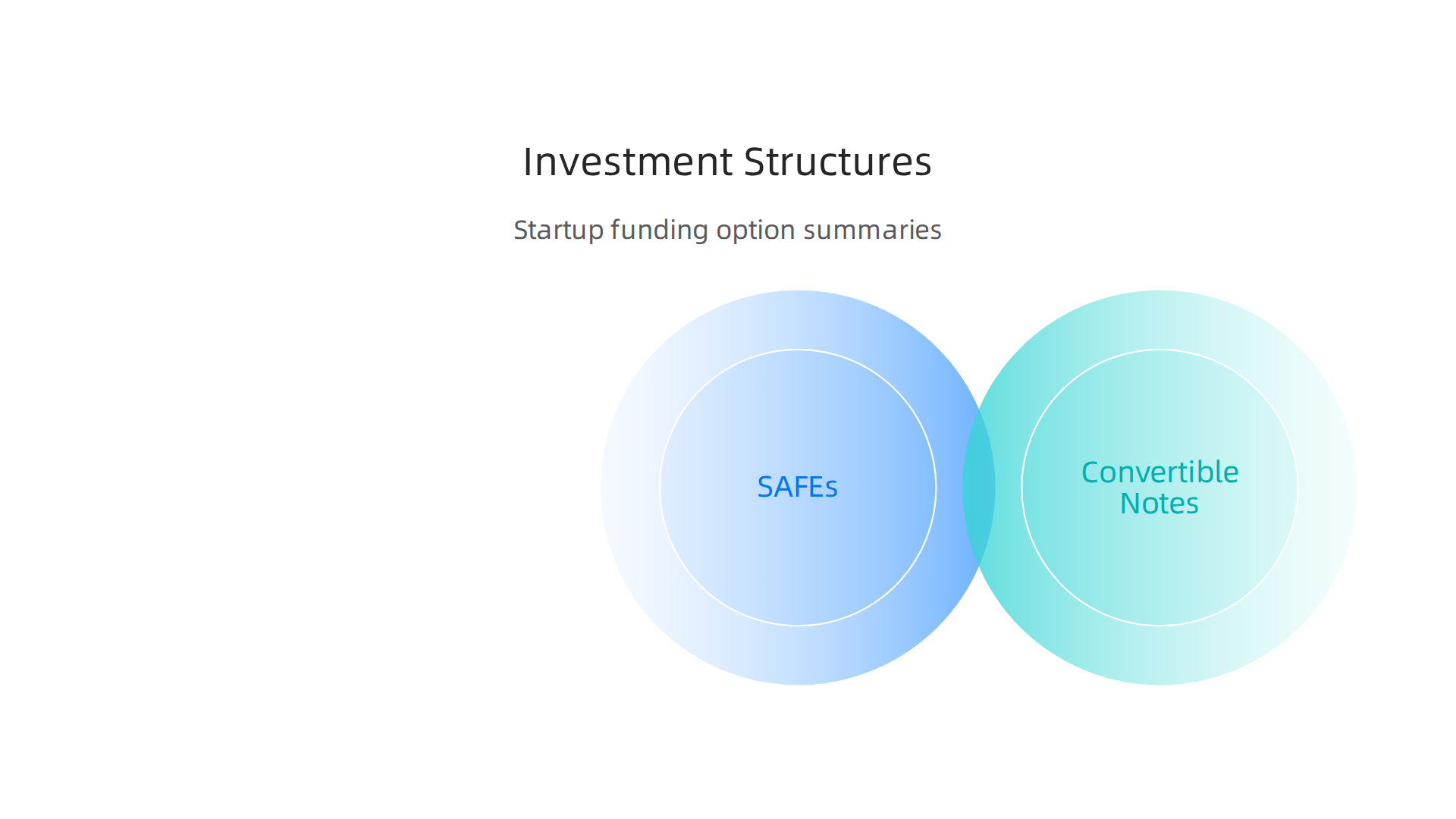
- SAFEs (Simple Agreement for Future Equity): This is a quick and easy way for early-stage startups to get money. An investor gives money now, but they don’t get shares right away. Instead, they get the right to receive shares later, usually when the startup raises a bigger round of money. It’s "simple" because it avoids putting a set value on the company too early, which can be hard.
- Convertible Notes: These are like a short-term loan that turns into company shares later. An investor gives money, and it’s treated like a loan for a while, often with a little interest. But instead of getting their money back, they get shares in the company when the next big investment happens. Like SAFEs, these are good for early funding because they also put off figuring out the company’s exact value.
- Priced Rounds: This is when the company’s value is set right at the time of the investment. Investors buy shares at a certain price per share. This usually happens when a startup is a bit older and has clearer numbers to show how much it’s worth. This method offers more certainty for both sides but takes more time and effort to agree on the price.
Each of these ways of [investing in startups] has its own pros and cons. Founders might like SAFEs for being fast, but they might give up more of their company later if it does very well. Investors might like the clearer terms of a priced round but might have to wait longer to get the deal done.
What is a Term Sheet?
Once everyone agrees on the general idea of an investment, they write it down in a paper called a "term sheet." Think of a term sheet as a plan or a blueprint for the final legal papers. It’s not usually a legally binding contract itself, but it shows that everyone is on the same page about the important parts of the deal. It sets the rules for how founders and investors will work together. An expert guide notes that a term sheet sets out the conditions of an investment, acting as a roadmap for the final legal documents and the future relationship between the investor and the company Early stage term sheets 101.
What kind of things are in a term sheet?
- How much money is being invested? This is often called the "offering amount."
- How much of the company the investors will own? This ties into the company’s value.
- Who gets a seat on the company’s board? This means who helps make big decisions.
- What happens if the company gets sold? This covers important payout rules.
- Other key legal rules.
A term sheet helps everyone discuss and sort out the main points of the deal before getting into the very detailed legal agreements, which can take a lot of time. You can learn more about these main points by checking out resources like a Sample Term Sheet.
Legal Red Flags and Important Terms
When you’re looking at a term sheet, some words and rules are extra important for both founders and investors. These terms can change a lot about how much money people get and who has control.
- Valuation Cap or Discount: For SAFEs and convertible notes, these terms help decide what price investors pay for their shares later. A valuation cap puts a limit on how high the company’s value can go when the note converts, helping early investors get a better deal. A discount means they get their shares at a lower price than new investors.
- Liquidation Preference: This rule says how investors get paid if the company sells or goes out of business. For example, a "1x liquidation preference" means investors get their original money back first before anyone else, like founders, gets paid. Higher numbers (like "2x" or "3x") mean investors get even more back first, which can be tough for founders.
- Anti-Dilution Provisions: These protect investors if the company raises money later at a lower value. They get more shares to make up for the lower price, so their ownership percentage doesn’t shrink as much.
- Board Seats: Who sits on the board of directors can have a lot of power. Founders might give up a board seat to an investor, giving them a voice in big company decisions.
- Vesting: This usually applies to founders’ shares. It means founders earn their shares over time, like over four years. If they leave early, they might not get all their shares. This is common to make sure founders stay committed to the company.
- Pro-Rata Rights: This gives investors the right to invest more money in future funding rounds to keep their ownership percentage the same.
It’s really important for founders to understand these terms before signing anything. Some terms can give investors too much control or too big a share of the money later on, which can be a legal issue for early stage entrepreneurs. Getting good legal advice is key when dealing with term sheets. It’s all part of learning how to raise capital for startup success.
Understanding these details helps both founders and investors create a fair and strong deal for [small to capital]. For more advice on creating a strong plan, you can check out resources on how to create your winning funding package for startup success. This careful attention to deal structures and legal terms is vital for successful fundraising and a healthy long-term partnership.
After understanding the legal parts of getting money for your startup, the next big step is to get ready to talk to investors. This means telling your story well, organizing all your important papers, and knowing how to reach out to people who might want to put money into your company. It’s all about getting your startup ready for that exciting moment when you can get [headstart funding].
Telling Your Startup’s Story to Investors
When you’re trying to get people to invest in startups, your story needs to be clear and exciting. You only have a short time to catch an investor’s eye. Many investors spend about two minutes looking at a pitch deck, so it needs to be very easy to understand [7 New Fundraising Rules for 2026]. A good pitch deck should be simple, maybe around 10 slides, and focused on the most important points [Fundraising Tactics That Actually Work in 2026].
Your story should tell investors:
- What problem your startup solves.
- How your product or service works.
- Who your team is and why you’re the right people for the job.
- How big the market is for your idea.
- How you plan to make money.
- What you’ve achieved so far and what you’ll do with their money.
When you first reach out, your email should answer three main questions in less than 200 words: What does your company do? Why should this specific investor care? What are you asking for? Make sure your message is personal to the investor you’re talking to [Pitch Decks, Investor Outreach, and Closing Your Round (2026)]. This direct approach helps you stand out and shows you’ve done your homework.
Your Data Room: All Your Important Papers
A "data room" is like a secure online folder where you keep all the important documents an investor might want to see. Think of it as your startup’s official binder. Having a well-organized data room ready shows you are serious and prepared. This helps make the fundraising process smooth.
What usually goes into a data room?
- Your Pitch Deck: The story you tell about your company.
- Financial Model: This shows how your company makes and spends money, and how it plans to grow.
- Legal Documents: Things like your company’s official papers and any past investment agreements.
- Team Information: Resumes of key team members.
- Customer Information: Details about your customers and how happy they are.
- Product Information: How your product works, any special designs, or patents.
Having these documents ready means you can quickly share information when an investor asks for it. It saves time for both you and the investors, speeding up the process of [how to raise capital for startup].
Reaching Out to Investors
Connecting with investors is a key part of getting [startup funding help]. It’s best to reach out to investors in groups or "waves" rather than one by one. This way, you can learn from early talks and make your pitch better. For example, you might spend the first couple of weeks practicing your pitch with a smaller group of investors, then move to a larger group once your story feels stronger [Investor Outreach Plan 2026].
Remember these tips for investor outreach in 2026:
- Targeted Outreach: Don’t just send emails to everyone. Find investors who usually put money into companies like yours [Finding Investors].
- Create Urgency: Set a goal for your fundraising period, like 8 to 12 weeks, and let investors know this timeline. This encourages them to make decisions faster [Fundraising Investor Outreach Guide | Startup Guide 2026].
- Follow-Up Smartly: After your first contact, it’s good to follow up a few times without being annoying. You can share a new win for your company or answer a question they had during your pitch [How to Follow Up With an Investor Without Being Annoying]. Always send your pitch deck through a tracked link, not as an attachment, so you know when it’s opened [Pitch Deck Examples That Raised Millions (2026 Guide)].
- Multiple Discussions: Try to have talks with several investors at the same time. This creates a healthy competition and can lead to better deals for you. Experts say this "stacked pitching" approach can get you 15-20% better terms [Engaging Potential Investors].
Staying informed about general technology and market shifts is also vital for founders. For founders and investors who need to stay on top of the rapidly changing world of technology, a dedicated newsletter can be very helpful.
If you want to keep up with the latest in AI and tech, you should definitely check out The AI Newsletter Worth Reading. Getting clear daily AI updates from The Deep View Newsletter can give you that extra edge.
By preparing your story, organizing your papers, and reaching out wisely, you can make your journey to getting [small to capital] much more successful. You’ll be ready to show investors why your startup is worth investing in. You can also explore The Founders Guide to Securing Startup Capital in 2026 for more detailed guidance on securing funding.
After you’ve done all the hard work to get investors interested, the real talks begin. This part is about getting the best deal for your company, finishing up the agreement, and making sure the investors help your startup grow even after they put money in. It’s a key stage for founders who are [investing in startups] and looking for lasting success.
Negotiation: Getting the Right Deal
When you sit down to negotiate with investors, it’s like putting together a puzzle where everyone needs to be happy. Your main goal is to protect your part of the company and make sure you still have a lot of control over its future. This means understanding things like how much your company is worth (its valuation) and how much of it you’re giving away for the money.
Here are some tips for these important talks:
- Know Your Worth: Do your homework to understand what companies like yours are valued at in 2026. This helps you ask for a fair price.
- Understand the Terms: Investment deals come with many rules. Read them carefully. Some rules might seem small but can really matter later. Make sure you know what each part means for you and your company.
- Find a Lead Investor: It’s often helpful to find one main investor who wants to lead the funding round. This person or group will often set many of the terms. Other investors will then follow their lead. Having one strong partner can make the process smoother. You can learn more about securing funds in a comprehensive guide like How to Get Venture Capital Funding a Founder’s Guide for 2026.
- Create Competition: When several investors are interested, it can help you get better terms. This shows that your startup is exciting and worth [headstart funding].
Closing the Round
Once you agree on the terms, you’re almost there. Closing the round means signing all the papers and officially getting the investment money. This part involves lawyers making sure everything is correct. Having a clear data room, which we talked about earlier, makes this step much faster. It proves you’re ready for [small to capital] and serious about your business.
Post-Investment Value Creation
Getting money is just the start. After investors put money into your company, it’s important that they also help it grow. This is called "post-investment value creation." It’s about how investors become partners, not just bankers.
- Support Beyond Money: Good investors offer more than just cash. They can give advice, connect you with useful people, or help you hire great staff. This extra support is a big part of why [investing in startups] works well.
- Clear Goals: Work with your investors to set clear goals for what your startup will achieve with their money. These goals are called milestones. They help everyone stay on the same page and work towards the same success.
- Good Governance: This means deciding how decisions will be made. Investors might get a seat on your company’s board, which is a group that helps guide the company. This helps align everyone’s interests, so founders and investors want the best outcomes for the startup.
By negotiating smartly, closing the deal correctly, and planning for ongoing support, you can make sure your [startup funding help] leads to long-term success for everyone involved.

Summary
This article explains why mastering startup investing and fundraising is essential in 2026 and walks readers through the full process—from reading market benchmarks and sector signals to sourcing deals, screening startups, and conducting deep diligence on teams and traction. It covers practical valuation methods and financial models founders and investors should use, and explains common deal structures (SAFEs, convertible notes, priced rounds) plus term-sheet red flags to watch. The guide also shows how to prepare investor-facing materials (pitch deck, data room), run targeted outreach, and negotiate toward a strong close while ensuring post-investment value creation. Throughout it emphasizes current market realities—larger checks for fewer deals, AI-driven sector interest, and higher expectations for revenue—and gives founders and investors the tools to make smarter decisions and faster progress in fundraising or investing.