

For a startup founder, figuring out which investors to talk to can feel like a big puzzle.

There are many different types of money partners out there. Knowing what each firm looks for is super important for your company’s success. That’s why understanding a firm like Manhattan Venture Partners matters so much.
Manhattan Venture Partners, often called MVP, is a well-known name among venture capital firms NYC has. They are not like all other investors. MVP is a special kind of investor that focuses on what’s called "secondary direct venture capital." This means they usually buy shares from earlier investors or employees of a company, rather than putting money directly into a brand new startup. They look for companies that are already mid- to late-stage and are often getting ready for a big step like going public Manhattan Venture Partners | Portfolio, Investments & AUM – Caplight.
This special focus means that MVP has clear preferences. For founders, knowing these preferences shapes your whole plan to get funding. If your startup is very new or still in its early stages, MVP might not be the right fit for you. On the other hand, if your company is growing fast and getting close to an IPO, they could be a very valuable partner.
By learning about firms like Manhattan Venture Partners, you gain clear signals.
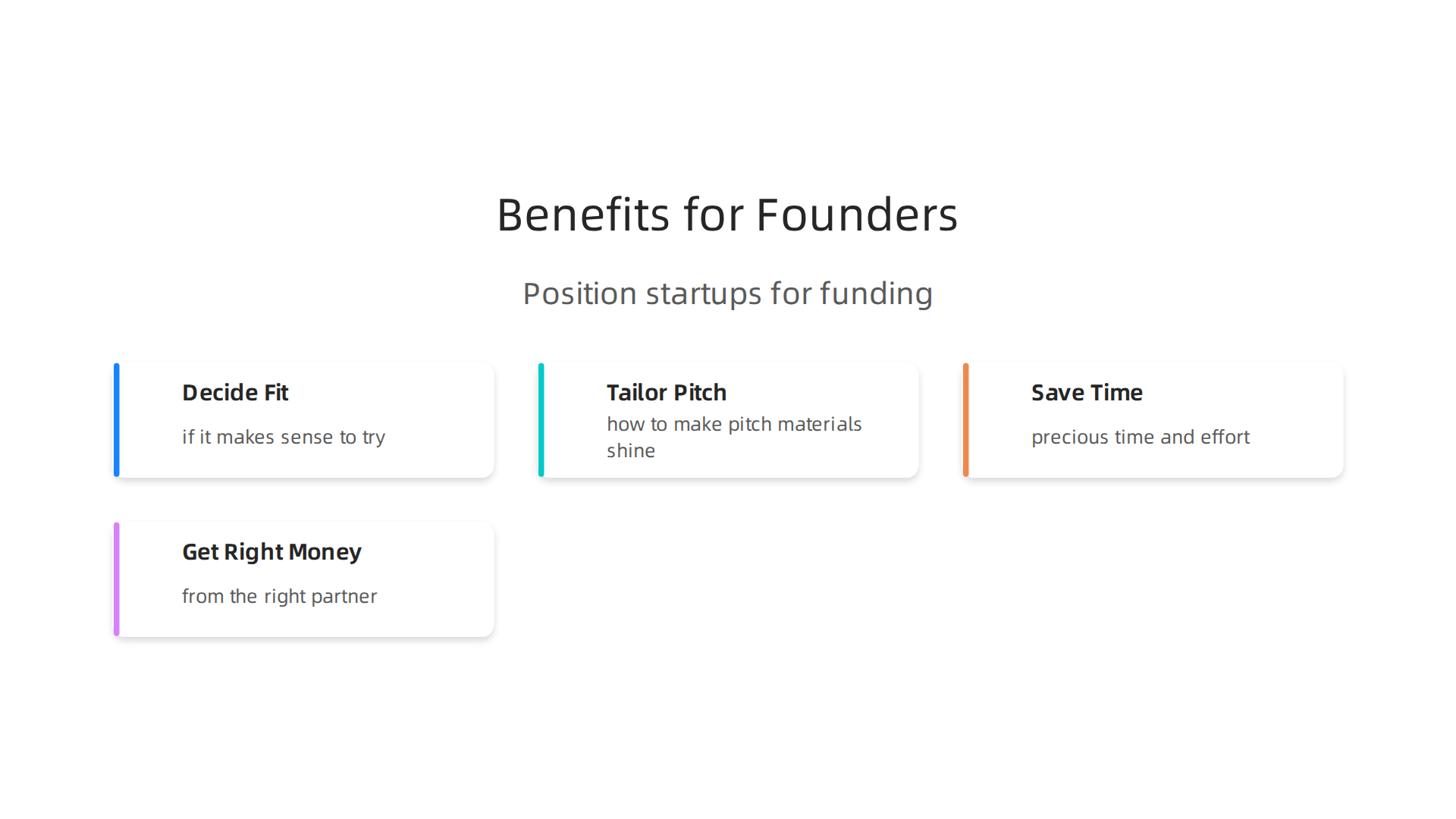
You can decide if it even makes sense to try to get an introduction to them. And if it does, you’ll know exactly how to make your pitch materials shine and what to talk about. This helps you save precious time and effort, making sure you reach out to the right people at the right time. It’s all part of building a smart strategy to secure money for your startup. To learn more about picking the right partners for your company, check out our guide on how to evaluate capital advisors for startup funding.
Knowing the ins and outs of investor strategies, especially for firms focused on specific markets like secondary investments in tech, gives you a real edge. It’s not just about getting money; it’s about getting the right money from the right partner for your stage of growth.
Ready to stay informed on the broader tech landscape that influences investor decisions?
Get clear daily AI updates from The AI Newsletter Worth Reading.
Manhattan Venture Partners started its journey in 2014. It was co-founded by Jared Carmel, Eric Brachfeld, and Brad Fishman, who set out to build a different kind of investment firm for the tech world Manhattan Venture Partners: Funding, Team & Investors.
Their main office is right in the heart of New York City, at 152 Madison Avenue. This makes them one of the key venture capital firms NYC has, focusing on a special type of investing. While many firms put money into brand-new companies, Manhattan Venture Partners looks at companies that are already growing big. They act as both an investor and an advisor to these companies and their owners

Manhattan Venture Partners (MVP) – Pipeseed.
The core mission of Manhattan Venture Partners can be summed up by their saying: "Tomorrow’s IPOs Today™"

Manhattan Venture Partners | Tomorrow’s IPOs Today™. This means they aim to invest in private companies that are likely to go public soon. They buy shares from early investors or employees. This way, they give those people a chance to sell their shares before the company hits the public stock market.
This special focus shapes who Manhattan Venture Partners works with. They are looking for companies that are already doing very well, usually in the middle or late stages of their growth. These companies often have strong products and a clear path to becoming publicly traded. They especially look for tech companies with big growth potential Manhattan Venture Partners — Investment Portfolio & Profile. This clear goal helps them find good opportunities and makes sure they work with founders whose companies fit this specific growth profile. Understanding a venture firm’s core mission is important for founders. It helps you see if your company’s stage and goals match what they are looking for. To learn more about how investment groups work, consider reading our article on what is a capital investment group.
Manhattan Venture Partners looks for companies that are already well on their way to success. They like to invest in later-stage companies that are growing fast and are often close to going public Manhattan Venture Partners Private Equity Firm Profile – Preqin. This means they often put money into businesses that are at Series B, Series C, or Series D funding rounds Manhattan Venture Partners – Info, Investments & Portfolio. Many of these companies have been around for 6 to 10 years and are ready for their next big step Manhattan Venture Partners – Investor Profile & Portfolio.
When it comes to the kinds of businesses Manhattan Venture Partners helps, they focus a lot on technology.
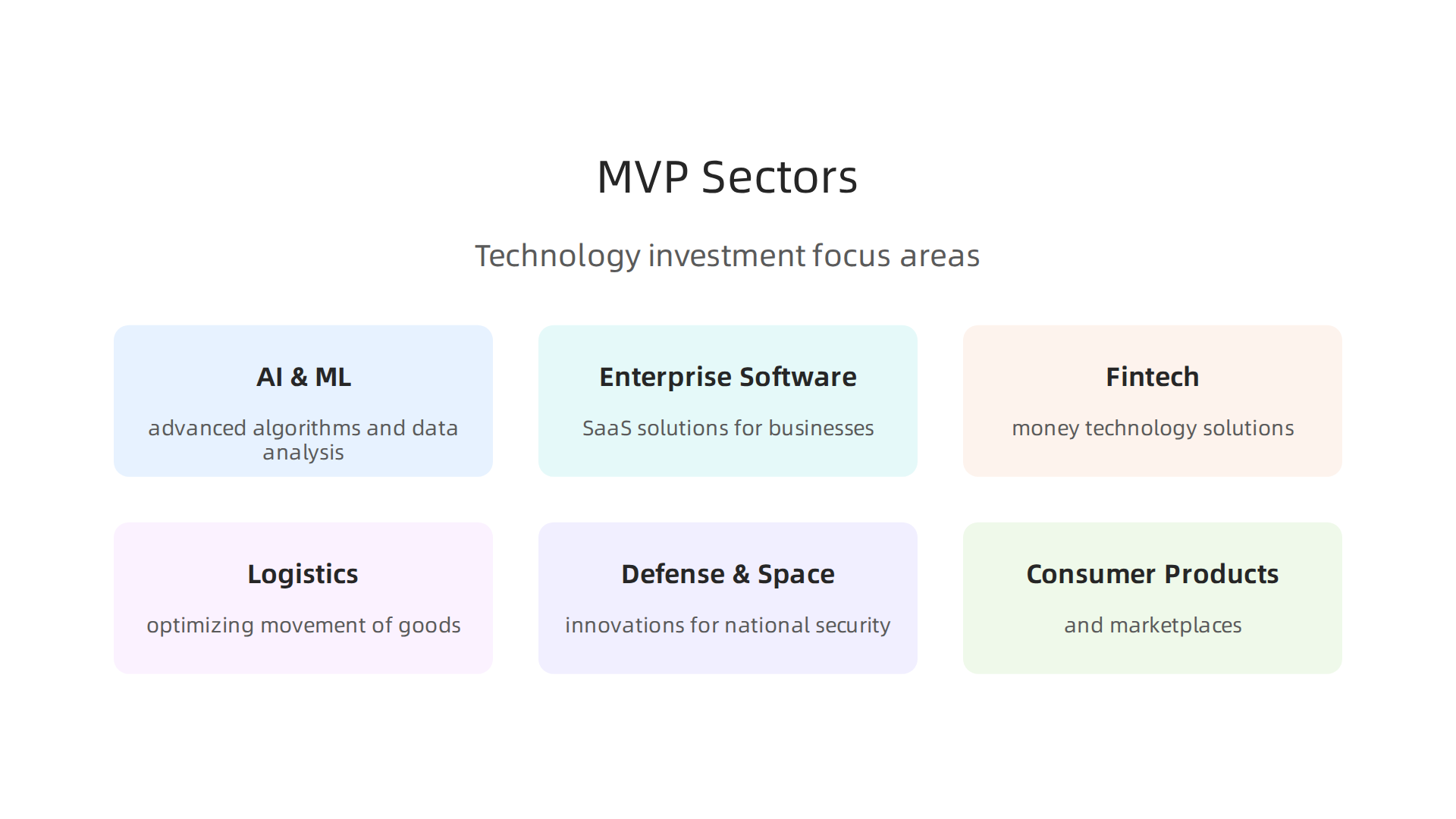
They are interested in many areas, like:
- AI and Machine Learning
- Enterprise Software and SaaS
- Fintech (money technology)
- Logistics and Supply Chain
- Defense Technology and Space Technology
- Consumer products and marketplaces
They also keep an eye on big national plans, like how the CHIPS Act helps build more technology in the US, and how to make supply chains stronger Year in Review 2022 | Manhattan Venture Partners. These areas show that Manhattan Venture Partners is deeply involved in the future of tech. If you want to learn more about new tech, you should check out The AI Newsletter Worth Reading for daily updates.
Manhattan Venture Partners also has clear ideas about how much money they usually invest. While exact amounts can change, they aim for significant investments. For example, the average investment round they join can be around $141 million Manhattan Venture Partners – Investor Profile & Portfolio. This shows they are ready to make big commitments to the companies they believe in.
It is also important for founders to know how investment firms work with others. Manhattan Venture Partners often acts as a "co-investor," meaning they put money into companies alongside other investors. This is called syndication. They often buy shares directly from early investors or employees instead of just funding the company itself Manhattan Venture Partners Private Equity Firm Profile – Preqin. This flexible way of investing helps them find good deals and support strong companies. Understanding these patterns helps founders know if a firm like Manhattan Venture Partners is the right fit for their company’s stage and needs. For more insights into how these firms operate, consider exploring different venture fund strategy how VCs pick power startup winners.
Building on those patterns, let’s look at the kinds of companies Manhattan Venture Partners often invests in. Knowing what they usually look for can help founders decide if this firm is the right partner for them.
What Manhattan Venture Partners’ Portfolio Looks Like
Manhattan Venture Partners likes companies that are already showing strong success. They focus on mid- to late-stage technology companies that are often getting ready to go public. These are not brand-new startups, but rather businesses that have been around for a while and are growing fast. The firm acts as a special investor in the secondary market, which means they often buy shares from early investors or employees instead of giving money directly to the company itself to help it grow Manhattan Venture Partners (MVP) – Pipeseed.
A key sign of a good fit for Manhattan Venture Partners is a company with a proven product and strong customer traction. They use a strategy called "Land and Expand." This means they look for powerful technology companies that are already making a big impact and have a lot of potential to grow even more Manhattan Venture Partners — Investment Portfolio & Profile. For example, their portfolio includes well-known names like Klarna, Epic Games, and Flexport, along with leaders in AI such as Anthropic and Figure AI Manhattan Venture Partners | Tomorrow’s IPOs Today™. These companies are disruptive and often leaders in their fields.
Geographic and Other Signals
While Manhattan Venture Partners invests in companies all over, their home base is in New York City Manhattan Venture Partners Company Profile: Service Breakdown & Team | PitchBook. This makes them one of the key venture capital firms NYC founders might consider.
For founders, a positive signal for Manhattan Venture Partners is if your company:
- Is in a hot tech area like AI, enterprise software, or fintech.
- Has already built a strong product and gained many users or customers.
- Is at a later stage, like Series B, C, or D funding, and has been operating for several years.
- Is showing clear signs of fast growth and is a leader in its market.
Founders need to think about how their company compares not just to Manhattan Venture Partners’ portfolio, but also to firms with different investment styles, such as Greentree Capital, Bernhard Capital Partners, or Clark Capital Management. Each firm has its own focus, and understanding these differences is important. To better understand how different investment companies operate, you can learn more about how to choose private equity investment companies for your startup.
Understanding how different investment companies work helps founders choose the best partners. Manhattan Venture Partners finds potential investments through several channels, which means they have specific ways they discover companies like yours.
How Manhattan Venture Partners Finds Companies
Manhattan Venture Partners, like many successful investment firms, often finds deals through strong connections. This usually means warm introductions from people they trust, like other investors, advisors, or people in their network. They also look for deals through different syndicate leads and sometimes from companies reaching out to them directly. This process of finding potential deals is called "deal sourcing" Deal Sourcing: Process, Strategies & Best Practices [2026] – Affinity. They are always looking for the next big thing, especially in fast-growing tech areas where they like to invest.
The Decision Timeline and Due Diligence
Once Manhattan Venture Partners finds a company they are interested in, they start a careful checking process called "due diligence." This is where they look very closely at everything about the company.

They check its money, its products, its customers, and its team to make sure it is a good fit and a safe investment. This process helps them decide if they should put their money into the company Deal Sourcing, Analysis and Due Diligence.
Founders should be ready for this part. It involves sharing a lot of information about your business. The time it takes for due diligence can change, depending on how big and complex the deal is. For example, smaller deals might take about 30 to 45 days, while larger ones could take several months The M&A Due Diligence Process: Timeline & Key …. It also depends on how ready the company is with its paperwork and information. Being organized can help speed things up significantly. All venture capital firms, including those in NYC, follow a similar diligent process when making investment choices. To learn more about how different investment groups make decisions, read about Venture Capital Private Equity: The Critical Difference for Startup Fundraising.
Staying on top of market changes, especially in areas like AI where Manhattan Venture Partners invests, is very important for founders.
Get clear daily AI updates from The AI Newsletter Worth Reading.
To get Manhattan Venture Partners interested, you need to show them your company in the best light. This means tailoring your pitch deck and how you talk about your business to what they look for. Just like other top venture capital firms in NYC, they want to see strong potential and a clear path to success.
How to Tailor Your Pitch and Materials for This Firm
When you create your pitch deck for Manhattan Venture Partners, remember they often invest in companies that are "tomorrow’s IPOs today™"

Manhattan Venture Partners | Tomorrow’s IPOs Today™. This means they are looking for businesses with big growth potential, especially in cutting-edge tech areas like AI. Your pitch should clearly show how your company can become a leader in its market.
Keep your pitch deck short and to the point. Most successful pitch decks are around 10 to 18 slides long. Each slide should have only one main idea and not too many words How VC Pitch Decks Really Work in 2026.
Here’s what your pitch deck should cover:
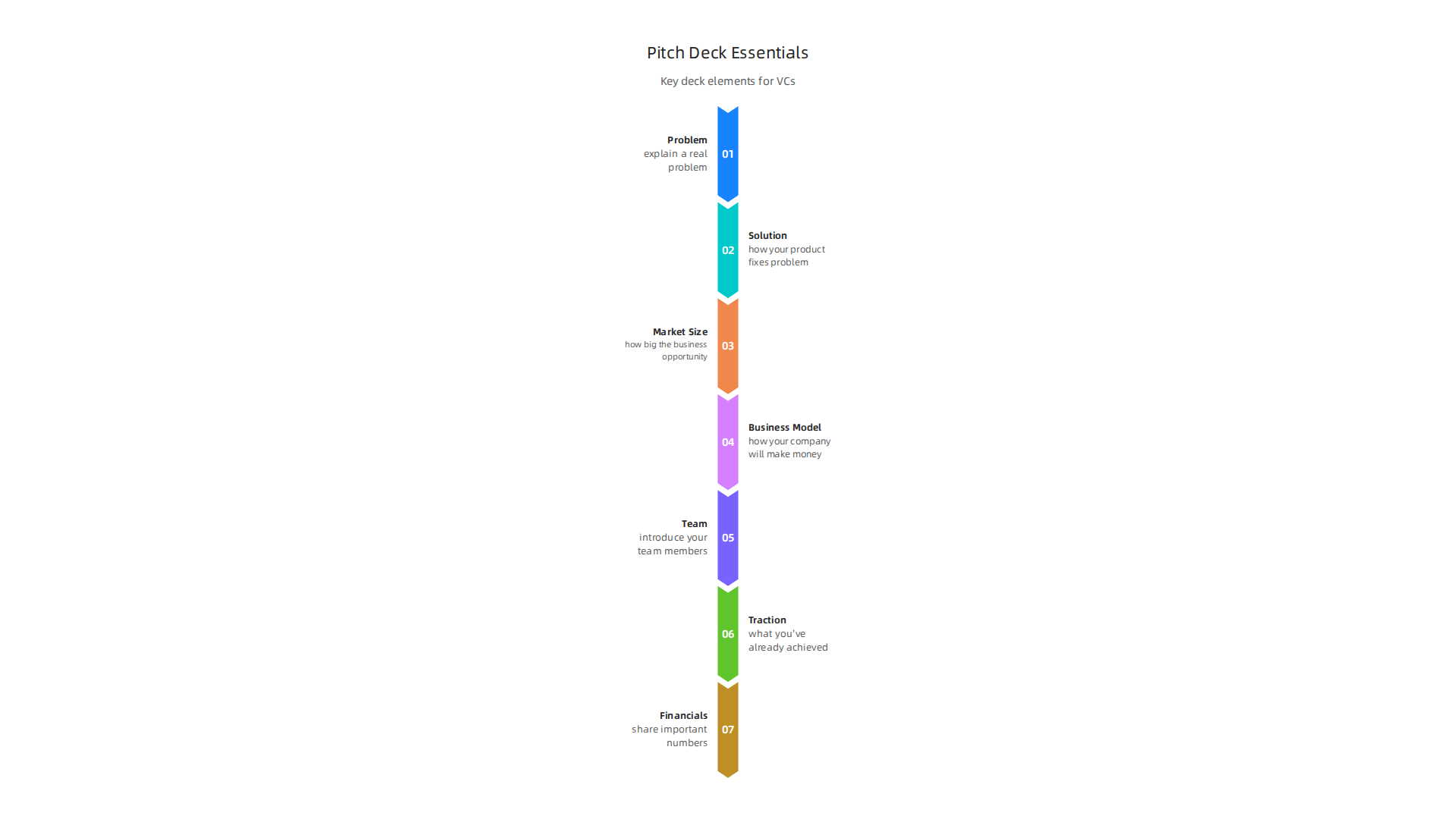
- Problem: Clearly explain a real problem that many people or businesses face.
- Solution: Show how your product or service fixes that problem in a new and better way.
- Market Size: Explain how many people need your solution and how big the business opportunity is. Firms like greentree capital or bernhard capital partners also want to see a large market.
- Business Model: How will your company make money? Make this easy to understand.
- Team: Introduce your team members and highlight why you are the right people to make this vision happen.
- Traction: Show what you’ve already achieved. This could be user growth, sales, or successful tests.
- Financials: Share important numbers like your revenue growth and how well you keep customers. These are key metrics that venture capital firms look at Venture Capital Pitch Deck: What VCs Actually Look for in 2026.
To learn more about how different investment groups think, check out these insights on investment group profiles smart capital strategies for founders investors.
Practical Outreach and Follow-Up Tips
Manhattan Venture Partners often finds companies through trusted connections, so a warm introduction is usually the best way to get their attention. A warm introduction means someone they already know and trust tells them about your company. This can greatly increase your chances of getting a meeting, with response rates for warm intros often between 40% and 70% 2026 Investor Outreach Benchmark Report.
If you need to send a cold email, your chances are lower, but it’s still possible. For cold outreach, expect about a 5% to 15% conversion rate for getting a meeting Benchmark Conversion Rates for Pitch Deck Opens (2026).
After you send your pitch, track if and when investors look at your deck. If an investor views your pitch deck, it’s good to follow up within 24 to 48 hours 6 Pitch Deck Metrics Investors Track. Keep your follow-up short and to the point, reminding them of your key message and offering to answer any questions. This careful approach helps you stand out among other founders seeking funding from firms like clark capital management and other venture capital firms in NYC.
When looking for money from firms like Manhattan Venture Partners, where your company is located and who you know can be a big deal. Manhattan Venture Partners has its main office right in New York City, making it one of the key venture capital firms in NYC. This means they often connect with founders and other investors in the local New York network. It’s just how the investment world works; being close can help you meet the right people.
But what if your company isn’t in a big city like New York? Don’t worry, there are still good ways to reach Manhattan Venture Partners. While they are a big player in New York, they also have connections in other important tech areas, like their past San Francisco office, showing they look beyond just one place Secondary Market Investment Firm Manhattan Venture Partners Appoints Andrea Walne as Partner, Opens San Francisco Regional Office.
A great way for founders outside of the core hubs to connect is through co-investors or syndicates. Manhattan Venture Partners often invests alongside other firms. For example, they have worked with a number of top co-investors Manhattan Venture Partners — Investment Portfolio & Profile in various deals Manhattan Venture Partners | Portfolio, Investments & AUM – Caplight. This means if you can get an introduction to one of their past co-investors, that could lead to a warm introduction to Manhattan Venture Partners itself. Think of it like a chain reaction.
You can also look into groups or networks that have ties to various venture capital firms. Learning about how different investment groups work can give you smart ideas on how to approach them What Is A Capital Investment Group How To Partner For Growth 2026. Even if you’re not in New York, understanding these networks and finding firms like greentree capital, bernhard capital partners, or clark capital management that might co-invest with Manhattan Venture Partners can open doors. It’s all about strategic connections. To get a better grasp of how geography impacts fundraising, consider reading up on how to choose your regional tech hubs for optimal startup fundraising.
Summary
This article explains who Manhattan Venture Partners (MVP) is and why their secondary direct venture capital model matters for founders deciding where to raise capital. It covers MVP’s focus on mid- to late-stage tech companies—often Series B–D candidates with clear IPO potential—and the sectors they favor, like AI, enterprise SaaS, fintech, logistics, and defense/space tech. The piece describes how MVP sources deals (warm introductions, syndicates), how they conduct due diligence, typical investment behavior (co-investing and buying secondary shares), and rough check-size signals. It also gives practical guidance on tailoring pitch decks, outreach strategies (warm intros vs cold email), and geographic networking tips for founders both inside and outside New York. Read it to decide if your company fits MVP’s profile and to learn concrete next steps to improve your pitch and approach.