

Why Loop Capital Matters for Founders and Investors
If you are a founder looking for money for your new company, or an investor hoping to put money into promising businesses, knowing about different investment groups is very important. One such group you should understand is Loop Capital. Learning how Loop Capital works can help you make smart choices in the world of fundraising.

Knowing about a firm like Loop Capital is not just about their money. It’s about understanding how they think, what kinds of companies they like to invest in, and how they make their deals. This knowledge can give you an edge, whether you’re trying to get funding or deciding where to invest your own capital. For instance, comparing their approach to others, like sumeru equity partners or even a capital funds group that focuses on early stages like Primary Venture Partners, helps you see the bigger picture.
In this article, we will look closely at Loop Capital. We will explore how they are set up, what their main plans are, and the types of deals they prefer. We will also compare them to other investment groups. Most importantly, we will share helpful tips and advice for how founders and investors can best work with Loop Capital in 2026. Getting this right can truly open doors for your company or your investments.
To stay on top of all the latest trends that affect fundraising, especially in the fast-moving world of technology, it is good to get daily updates.
The AI Newsletter Worth Reading from The Deep View Newsletter provides clear daily AI insights that go beyond just fundraising news.
Overview: What is Loop Capital? (Structure, Services, and Presence)
Loop Capital is an important financial company that helps businesses, governments, and other large groups with money matters. It is known as a full-service firm. This means they offer many kinds of help, like investment banking, acting as a broker for buying and selling, and giving expert financial advice. The firm was started in 1997 with a clear goal to serve its clients well.
Today, Loop Capital is a strong player in the financial world. They have nearly 300 employees and operate from more than 20 offices. These offices are spread out across different places, with their main headquarters located in Chicago, Illinois. You can find more details about their operations in Loop Capital’s overview document. This wide reach allows them to work with clients throughout the United States and even internationally, providing important financial solutions for big organizations.
The company is organized into a few key areas to cover all its services. One of the most important parts for founders and investors to know is Loop Capital Markets. This arm of Loop Capital focuses on investment banking. In this role, they help companies raise large amounts of money by selling shares (stocks) or by issuing bonds. They also help with big business deals, like when one company buys another or two companies decide to merge. As an advisory firm, Loop Capital provides insights on market trends, helps clients manage risks, and offers strategic planning for financial growth. Their clients are often big corporations, various government bodies (like states or cities), and large institutional investors. They are known for providing creative ways to find and manage capital for these clients across the globe.
While some firms, like a capital funds group, might focus on helping very new startups get their first money, Loop Capital usually works with larger, more established companies and bigger financial deals. Knowing this difference is key for founders. If your startup is smaller and just starting out, you might look for different types of investors first. However, as your company grows, understanding firms like Loop Capital becomes very important for future fundraising and strategic partnerships. For those looking to understand the different kinds of investment firms out there, especially from a founder or investor viewpoint, exploring Investment Group Profiles: Smart Capital Strategies for Founders Investors can be very helpful.
Loop Capital makes money in different ways by helping big clients with their financial needs.

They act as a helpful guide and a busy marketplace all at once. For founders and investors, knowing these parts helps you see where a company like Loop Capital fits in the world of money.
How Loop Capital Earns Money
Loop Capital has a few main ways it brings in income:
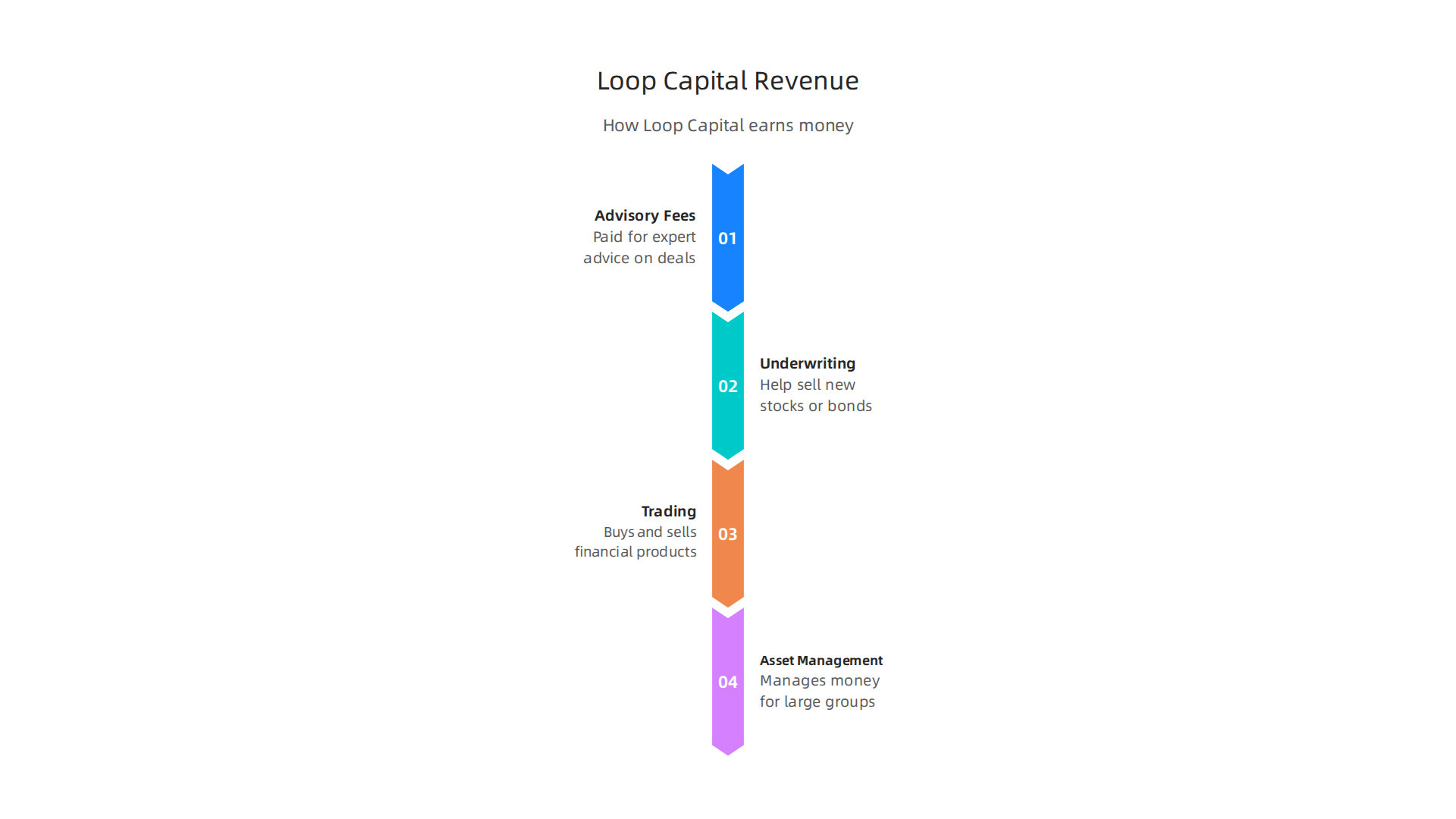
- Advisory Fees: This is like getting paid for expert advice. When a big company wants to buy another company, or two companies want to join together, Loop Capital gives advice on how to do it. They help with the plans, the numbers, and the timing. For this special help, they charge a fee.
- Underwriting: When a large company or government needs to raise a lot of money, they might sell new stocks (shares of ownership) or bonds (like loans). Loop Capital helps them prepare and sell these to big investors. They take a fee for helping to set up and make sure these sales go smoothly. This is a big part of their investment banking services.
- Trading: Loop Capital also buys and sells stocks, bonds, and other financial products. Sometimes they do this for their clients, and sometimes they trade for themselves, hoping to make a profit from market changes.
- Asset Management: While not their main focus for startup deal flow, they also manage money for large groups, like big pension funds. They get paid a small percentage of the money they manage.
The advisory and underwriting services are usually where the biggest deals happen. These are the areas that bring in the most "deal flow" for very large companies seeking capital.
Who Loop Capital Works With
Loop Capital typically works with very large clients, not small startups. Their usual clients include:
- Big corporations
- State and local governments
- Large banks and other financial groups
The deals they handle are often huge, involving hundreds of millions or even billions of dollars. For example, they might help a state government issue bonds worth over a billion dollars, as seen in their deals archives. This means that if you’re just starting a new company, Loop Capital is likely not the first place you’ll go for money. Firms like a "capital funds group" or "primary venture partners" often focus on earlier-stage companies. Another firm, "sumeru equity partners," might also have a different investment focus than Loop Capital’s larger, institutional scale.
Where Startups Might Fit In (Later On)
Even though Loop Capital doesn’t usually fund early-stage startups, it’s smart for founders to understand them. As your company grows into a very large business, Loop Capital could become important.
- Future Advisory: If your startup becomes very successful and reaches a point where it might merge with another giant company or get bought out, Loop Capital could offer valuable advice.
- Public Offerings: If your company decides to sell shares to the public (go public), Loop Capital could help with the underwriting and distribution of those shares to large investors.
So, while you might not work with Loop Capital today, knowing about how investment groups work and how to partner for growth is a key part of your long-term plan. Thinking about firms like Loop Capital now helps you plan for big steps in the future, once your company is well past the initial startup phase. Learning about these different firms can help you understand the full landscape of financial help available.
Learning about these different firms can help you understand the full landscape of financial help available. Now, let’s look closer at Loop Capital’s own playbook for investing.
Investment Strategy: Sectors, Stage Preferences, and Typical Check Sizes
Loop Capital, as a big financial helper, has a clear way of picking who they work with and what kinds of deals they do. They don’t just help any company. They focus on certain areas and types of businesses that are already very grown.
What Kinds of Businesses They Help
Loop Capital helps large companies in many different industries. They work with businesses in areas like healthcare, software, and even energy. You might also see them helping clients in retail and other technology fields. Their goal is to help clients all around the world, making their reach global. They also have a part of their business, called JLC Infrastructure, that focuses on big projects like transportation, communication, and power systems. This shows that Loop Capital looks at many different types of large businesses for its work.
When They Step In
Unlike firms such as capital funds group or primary venture partners that often look for brand-new companies, Loop Capital usually steps in when companies are already big and successful. They help with later-stage company needs, not the very first steps. For example, they might help a company that is already making a lot of money and needs to sell shares to the public or merge with another large company. They have helped companies like Finch in the business software space and even co-invested in companies going public, showing their interest in more established businesses Loop Capital | Portfolio, Investments & AUM. This is a very different approach from what a small startup might look for, where sumeru equity partners or similar firms would be a better fit.
How Much Money They Handle
The deals Loop Capital handles are typically very large. We’re talking about huge amounts of money, often hundreds of millions or even billions of dollars. When they help a government or a big corporation sell bonds or stocks, these are not small sums. They provide advice and help manage these big money moves. While they do handle different types of financial needs, their main focus is on large, important deals for their big clients. They often work with different types of funding, including helping companies raise money by selling shares (equity) or through loans (debt).
How They Find Their Clients
Loop Capital gets its deals mainly through strong relationships. They work closely with big companies, governments, and other large financial groups that trust them for their financial know-how. This means they build connections over time and are known in the world of big finance. They don’t usually search for new, small companies, but rather, they partner with the largest players who need their special services.
For founders and investors looking for deeper insights into how technology and AI are shaping today’s markets, it’s wise to stay informed.
Get clear daily AI updates from The Deep View Newsletter. Understanding investment group profiles can help you make smart choices for your own business journey, no matter the stage you are in. Check out more details on Investment group profiles: Smart Capital Strategies for Founders Investors.
Loop Capital shows its strength through the kinds of deals it has been a part of. Looking at their past work helps us see what they care about and how successful they are.
What Their Deals Tell Us
Loop Capital works with big, strong companies. For example, they have helped a business software company called Finch. They were a co-investor in a Series A funding round for Finch in April 2025, showing their continued interest in established tech firms Loop Capital investment portfolio | PitchBook. Between 2023 and 2025, Loop Capital also backed six European tech companies in areas like software and cloud services, showing a clear focus on technology sectors LOOP Capital — investor: 6 deals, 6 companies.
This focus is different from firms like primary venture partners or capital funds group, which might look for much smaller, newer companies. Loop Capital tends to join when companies are already past the very first stages, often when they are ready for big growth or major changes.
Signs of Their Priorities
Loop Capital’s past deals highlight their interest in companies that are ready to go public or merge with other large businesses. When they co-invest in a company’s Initial Public Offering (IPO), it means they believe that company is stable and ready for the big public market. This pattern shows they like working with businesses that are already making good money and looking for their next huge step.
They also have a team that studies many companies and gives ratings on how well their stocks might do Loop Capital Analyst Recommendations & Stock Picks. This shows their deep knowledge of the market and how they guide their clients.
What Successful Outcomes Look Like
For Loop Capital, success often means helping a company complete a large deal, like an IPO or a big sale. These big moves show that the companies they work with are doing well and growing. While their portfolio includes various types of investments, their main strength lies in helping large companies navigate complex financial situations. This helps their clients get the money they need to grow even bigger.
Understanding how investment firms like Loop Capital operate can give you key insights. You can learn more about how companies and capital partners work together to grow businesses by reading about strategic capital partnerships unlock value beyond funding.
Understanding how Loop Capital operates is just one piece of the puzzle. To really make smart choices for your business, it helps to see how Loop Capital stacks up against other investment firms out there.

Comparison: How Loop Capital Compares with Similar Investment Firms
Loop Capital stands out from many other investment firms because of its special focus. While some firms, like primary venture partners or capital funds group, often look for very new startups that are just getting started, Loop Capital typically partners with companies that are already well on their way. Think of it like this: some investors plant the seed, while Loop Capital helps a growing tree reach the sky.
Many companies, for instance, are listed as alternatives or competitors to Loop Capital, focusing on different areas or stages of growth Loop Capital’s alternatives and competitors. Some might be in private markets, while others handle broader financial services. Loop Capital, however, is an investment bank that offers services to a wide range of clients, including businesses, governments, and other institutions, helping them with major financial moves like going public or big company sales Top Loop Capital Competitors and Alternatives.
Choosing the Right Partner for Your Company
For founders, knowing these differences is key. If you have a brand-new idea and just need seed money, a firm like sumeru equity partners or a specialized early-stage venture capital fund might be a better fit. But if your company is already doing well, has strong earnings, and you’re thinking about a big growth spurt, a merger, or even going public, then Loop Capital’s experience in larger, complex deals could be exactly what you need.
It’s important to look at factors like:
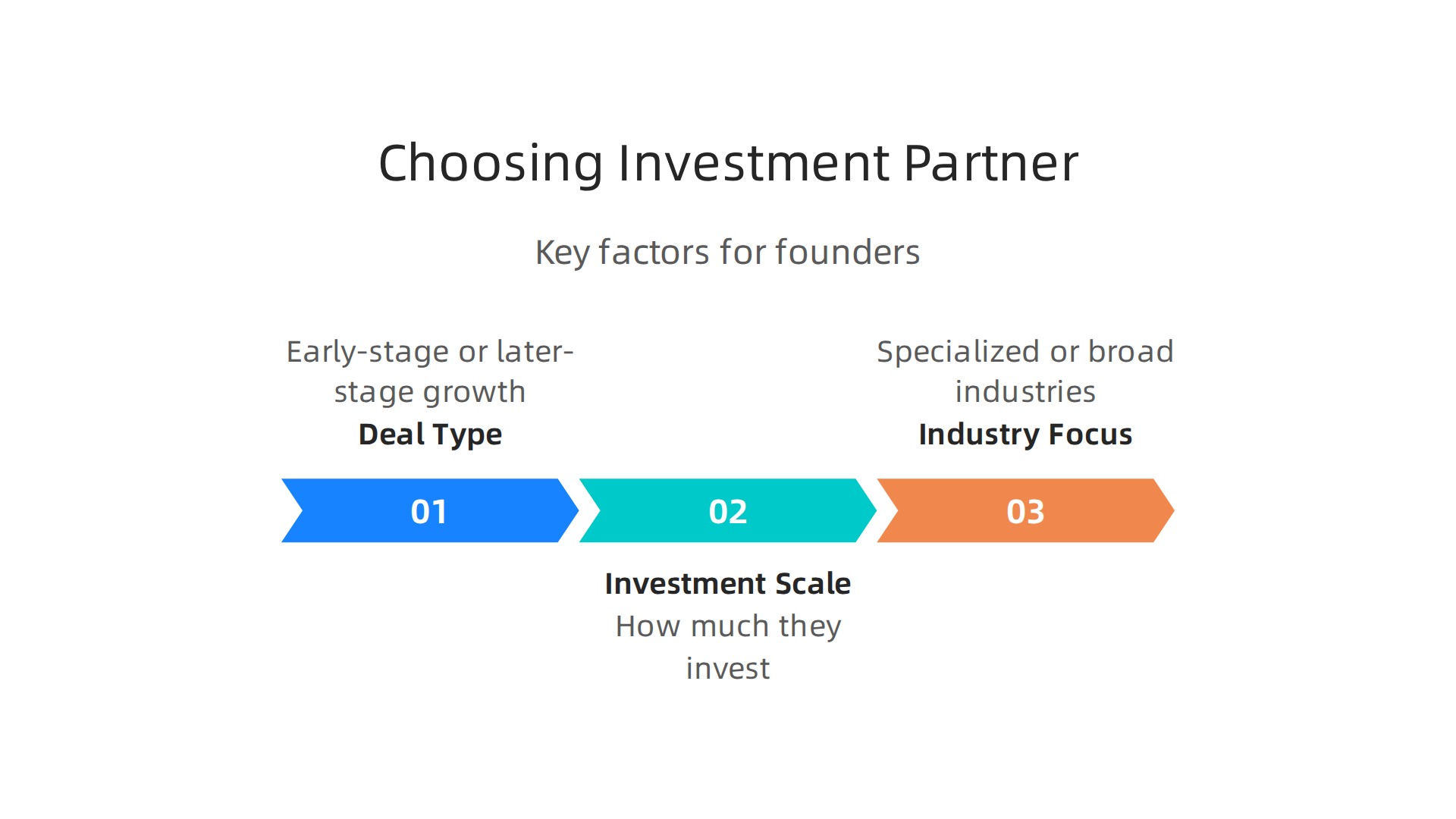
- Deal Type: Does the firm focus on early-stage investing, or do they specialize in later-stage growth and exits like IPOs?
- Scale of Investment: How much money do they typically invest? Loop Capital works with larger sums, fitting bigger companies.
- Industry Focus: While Loop Capital has shown interest in technology, many firms specialize in very specific industries.
When thinking about these points, you should ask yourself if the firm’s strengths match what your company needs right now. For example, if you are a founder trying to decide between different types of funding, understanding the role of various financial partners is crucial. You can learn more about finding the right financial partners for your company’s stage and needs by reading about what is a capital investment group and how to partner for growth.
Strengths and Weaknesses That Matter
Loop Capital’s main strength is its deep knowledge and strong network in the world of big finance. They are known for helping established companies with significant transactions. This means they often have a wide reach and can open doors to bigger opportunities. They tend to be a reliable partner for companies ready for their next major step.
However, if your company needs super fast cash for a small project or a very flexible investment that changes quickly, Loop Capital might not be the best choice. Smaller, more agile venture capital firms sometimes offer more speed and flexibility for early-stage companies that are still figuring things out. For startups, picking the right investor is not just about the money, but also about the support, advice, and connections they bring. Knowing the differences between various investment groups can help founders make better choices for their future.
Knowing the differences between Loop Capital and other investment firms like sumeru equity partners or primary venture partners is helpful. Now, let’s talk about how founders can actually work with Loop Capital and similar investors. It’s like having a map; you know where you want to go, but you also need to know how to drive there.
Practical Advice: How Founders Should Approach Loop Capital and Similar Investors
When you’re ready to talk to an investment firm like Loop Capital, you need a clear plan. It’s not just about asking for money. It’s about showing them why your company is a good fit for their special kind of help.
Making the First Move: Your Pitch
Your first contact is super important. Here’s what to include in your message or meeting:
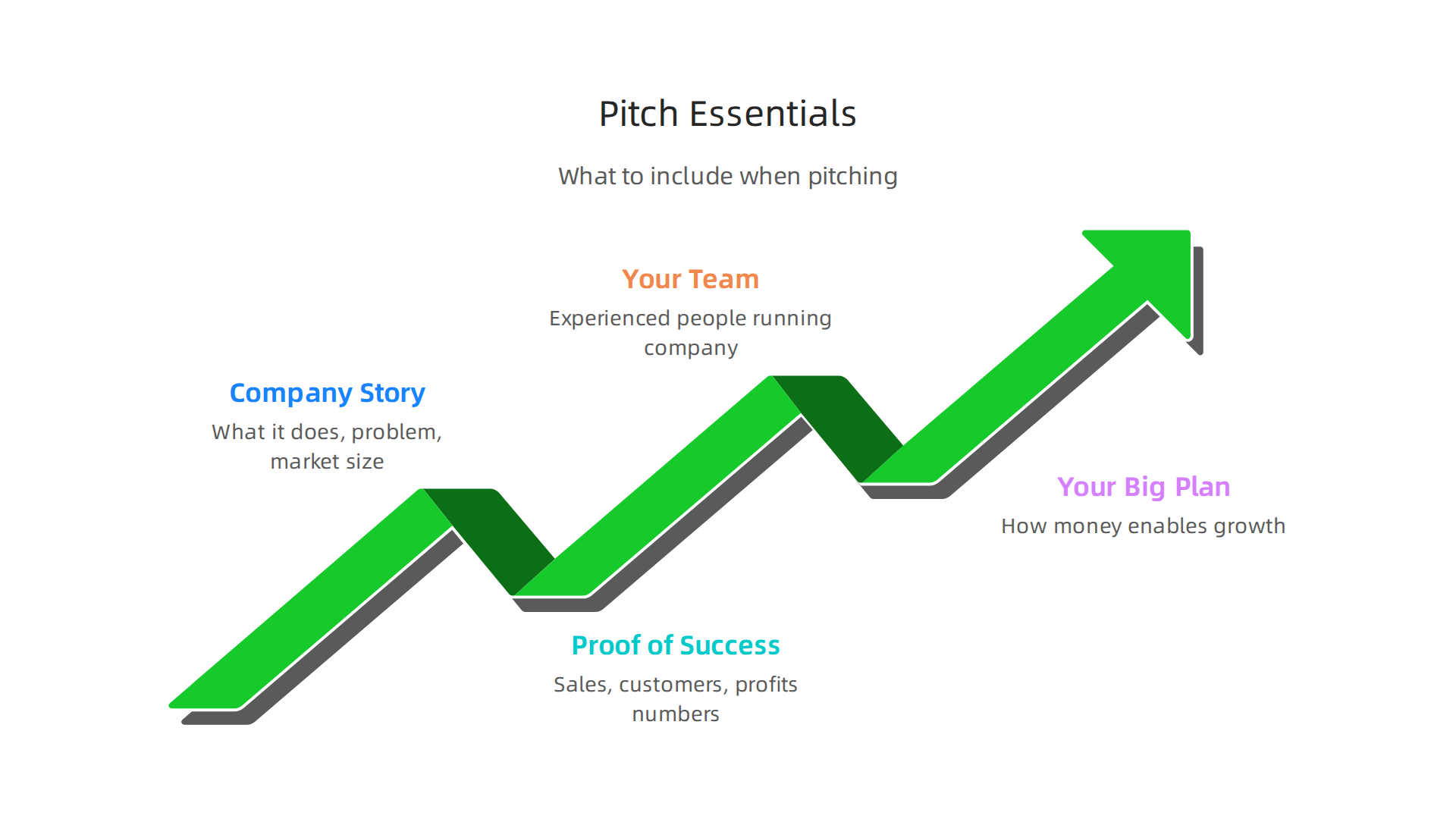
- Your Company’s Story: Tell them what your company does, what problem it solves, and how big the market is.
- Proof of Success: Show them how well your company is doing. This means real numbers like sales, customers, and profits. Since
Loop Capitalworks with companies that are already growing strong, they want to see solid proof. - Your Team: Who are the smart people running your company? Investors like to see a strong and experienced team.
- Your Big Plan: What do you want to do next? How will their money help your company grow even bigger, maybe through a large expansion or even by going public?
Remember that Loop Capital often deals with bigger, more established companies. So, your pitch should focus on your growth, your place in the market, and your clear path to success. You can also look at Loop Capital's Deals Archives to see the types of transactions they’ve handled before, which can help you tailor your message even better. The fundraising process inside a firm often takes several weeks, including pitches and reviews, so be ready for that journey The VC fundraising process in 2026: inside the firm.
Understanding the Term Sheet and What Comes Next
If an investor likes your company, they’ll give you something called a "term sheet." Think of a term sheet as a rough outline of a deal. It’s not the final contract, but it lays out the main ideas of the investment. It will talk about things like:
- How much your company is worth (valuation).
- How much of your company the investor will own.
- Any special rights the investor will have.
It’s super important to read this paper carefully and get help from lawyers who understand these types of deals. They can help you understand all the small details. For founders, getting a good grasp of these details is very important Founder Term Sheet Guide: Key Clauses & Negotiation Tips.
What to Look For: Good Signs and Warning Signs
As you talk with Loop Capital or other firms like capital funds group, pay attention to how things feel.
Good Signs:
- They ask very specific questions about your business numbers and future plans. This means they are truly interested.
- They introduce you to more people on their team.
- They are clear about the next steps and timelines.
Warning Signs:
- They seem to rush you or push for a quick decision without really getting to know your business.
- Their communication is unclear or hard to understand.
- They don’t seem interested in the details of your growth or how you plan to use the money.
Choosing the right investment partner is a big step for any company. By being prepared and knowing what to look for, you can make a choice that helps your business grow to its fullest potential.
To stay sharp on market trends and technology that can impact your fundraising, consider subscribing to The AI Newsletter Worth Reading. It offers daily insights that can give you an edge.
Choosing the right investment partner is a big step for any company. By being prepared and knowing what to look for, you can make a choice that helps your business grow to its fullest potential. But beyond knowing how to approach firms like Loop Capital, it is also important to understand the bigger picture of the market. What will the world of money look like in 2026 and after? This can change how firms like Loop Capital decide to invest.
Future Outlook: Market Signals and What to Watch in 2026 and Beyond
As founders plan for the future, looking at market trends in 2026 is key. Investment firms like Loop Capital, sumeru equity partners, primary venture partners, or capital funds group make decisions based on what they see happening in the wider economy and specific industries.
Big Picture Trends: What the Market is Saying
Many investors feel good about 2026. Surveys show a general sense of optimism for markets, with many expecting positive growth. For example, some reports indicate global investors are feeling more positive than they have in a while, especially about the economy and certain new technologies Global Investors Turn Most Bullish Since February, BofA Survey Shows. However, this optimism is often mixed with a bit of caution, especially due to bigger world events.
What does this mean for Loop Capital? Firms like this will keep a close eye on interest rates and overall economic health. If the economy is strong, there’s more money flowing for bigger deals. Investment bankers see a shift in market feelings, which means more deals could happen How Investment Bankers View the 2026 M and A.
Hot Areas for Investment
Looking at where money is going helps founders. In 2026, technology continues to be a big focus. Many experts believe that how markets perform will heavily depend on how artificial intelligence (AI) grows and changes things 2026 Natixis Strategist Outlook: Everything, everywhere, all at …. This means if your company is in AI or uses it in new ways, you might find more interest from firms like Loop Capital.
Founders should also watch other growing areas. Things like new ways to get energy, health tech, and cybersecurity might also see more investment. Understanding these key areas can help you know if your startup fits what investors are looking for. You can learn more about how venture capital firms pick winners by looking into their venture fund strategy.
Signs for Founders to Watch
To time your fundraising well or decide if you need to change your plans, founders should pay attention to these signals:
- Investor Surveys: Keep an eye on reports about investor feelings. If investors are confident, it might be a good time to seek money.
- Competitor Funding: Watch if companies similar to yours are getting funding. This can tell you if there’s investor interest in your space. Websites that list Loop Capital’s alternatives and competitors can offer insights into the broader market landscape.
- Government Rules: New rules or changes in laws can affect different industries. For example, changes in how data is used or new environmental rules could open or close doors for certain businesses.
- New Technologies: Beyond AI, what other big tech changes are coming? Staying ahead of these can make your company more appealing.
These indicators help you understand the flow of capital and make smart choices. Learning about investment group profiles can further enhance your strategic approach.
How Big Changes Affect Investment Firms
Big shifts in the world can change how firms like Loop Capital operate:
- Changes in Laws: New financial laws can affect how much risk firms are willing to take or what kinds of deals they can do.
- Economic Ups and Downs: If the economy slows down, investment might become more careful, focusing on safer bets. When the economy is booming, firms might be more open to new, exciting ideas.
- Technology’s Role: The rise of new technologies like AI doesn’t just create new investment areas. It also changes how firms like Loop Capital do their own work, making their processes faster and smarter. Keeping up with global tech intelligence is vital for founders.
By watching these big trends and smaller signals, founders can better understand the best time to seek investment and how to talk to firms like Loop Capital. It is all about being prepared for what is coming next.
Summary
This article explains why founders and investors should understand Loop Capital, a full-service financial firm focused on large-scale deals and institutional clients. It reviews Loop Capital’s structure, core services (investment banking, underwriting, trading, asset management), and the main ways the firm generates revenue. The piece outlines who Loop Capital typically works with—big corporations, governments, and institutional investors—and why early-stage startups usually look elsewhere until they reach later growth stages. You’ll learn Loop Capital’s sector interests, typical deal sizes, how it sources clients, and concrete signs a founder should look for when approaching the firm. The article also compares Loop Capital to other investors and offers practical pitching, term-sheet, and due-diligence advice, finishing with market signals founders should watch in 2026 to time fundraising and partnerships effectively.