
Introduction
The United States is home to some of the most powerful technology companies in the world. From cloud computing to artificial intelligence, IT companies in USA lead the way in nearly every field. They create products we use every day and shape how businesses operate globally.
In 2026, American tech firms continue to dominate global markets. Nvidia, Apple, Alphabet, and Microsoft are the biggest names. According to Statista’s top tech companies by market cap 2026, Nvidia reached a value of 4.85 trillion dollars.
That makes it the most valuable company on Earth.
But the US tech scene is bigger than just these giants. Companies like Cros Tech and Pennco Tech add depth to the market. They serve specific needs and keep the industry competitive. Understanding the full range of top IT companies helps founders and investors spot real opportunities.

For startup founders, location matters too. Picking the right tech hub can make fundraising easier and faster. The world tech centers guide shows you how to choose the best city for your startup.
This article gives you a clear, data-driven look at the most important IT companies in the USA. You will learn about the top players, key tech hubs, fast-growing sectors, and future trends. Whether you are raising capital or scouting for partners, this overview will help you see the big picture.
If you want to stay ahead of the latest tech trends, check out The AI Newsletter Worth Reading. It delivers clear daily AI updates straight to your inbox.
The Titans of Tech: A Snapshot of America’s Leading IT Companies
You’ve seen the names. But the numbers behind them are staggering. In 2026, the market cap rankings have shifted in surprising ways.
Nvidia now leads the pack at roughly 4.85 trillion dollars. Alphabet follows closely at 4.62 trillion, with Apple at about 3.98 trillion. These figures come from the largest American companies by market capitalization ranking from May 2026.
What’s interesting is how fast things changed. Just a few years ago, Apple and Microsoft traded the top spot back and forth. Now Nvidia’s AI focus pushed it past everyone. The Wikipedia list of public corporations by market capitalization shows Nvidia in first place with Apple and Alphabet right behind.
What drives each giant?
Nvidia dominates with AI chips and data center hardware. Alphabet runs Google, YouTube, and Waymo. Apple focuses on consumer devices and services. Amazon leads cloud computing through AWS. Meta controls social media and the metaverse vision.
| Company | 2026 Market Cap (approx.) | Key Strategic Focus |
|---|---|---|
| Nvidia | $4.85 trillion | AI chips, data centers, autonomous driving |
| Alphabet | $4.62 trillion | Search, advertising, AI (Gemini), cloud |
| Apple | $3.98 trillion | iPhones, services, wearables, privacy |
| Amazon | $2.64 trillion | E-commerce, AWS cloud, logistics |
| Meta | $1.56 trillion | Social media, advertising, metaverse |
Each of these US big tech companies brings a distinct revenue stream. Nvidia sells hardware that powers the AI boom. Alphabet and Meta live on advertising dollars. Apple profits from premium hardware and services. Amazon makes money from everything it touches.
For startup founders, the lesson is simple. Understanding where these giants invest tells you where opportunity lives. If you want to raise capital, aligning with one of these strategic focuses can make your pitch stronger. Our guide to tech company categories for 2026 helps you position your startup for the right investors.
Market Leaders by Revenue and Market Cap
Market cap shows you a company’s value today, but revenue tells you how much money it actually brings in. For the top IT companies in the USA, both numbers paint the same picture: these giants print cash.

Microsoft is a perfect example. Even though its market cap has slipped behind Nvidia and Apple, its revenue story is incredible. The company now generates over 60% of its operating income from cloud services like Azure and AI products like Copilot. Amazon follows the same playbook. AWS alone pulls in more than 50 billion dollars in annual revenue. A recent look at the top tech companies by market cap 2026 shows Microsoft still ranks among the most valuable firms globally. Its real strength lies in selling subscriptions and cloud compute power.
For startup founders, this shift toward cloud and AI revenue has major implications. Big tech companies are spending billions on AI infrastructure every quarter. That spending creates openings for startups that solve specific problems in data, security, or niche AI applications. If you are building in those spaces, you have a strong story for investors right now.
Taking the time to understand where the market is heading can help you position your pitch better. Our guide on world tech centers for startup fundraising shows how founders can choose the best location to grow their company and attract the right backers.
The AI Newsletter Worth Reading delivers clear daily updates on how AI is reshaping these markets, helping you stay ahead of the curve.
The Rise of AI and Cloud Giants
The biggest shift among IT companies in the USA right now is the race to dominate AI and cloud computing. Companies that bet heavily on these technologies have seen explosive growth. No company proves this better than Nvidia.
Nvidia’s market cap surged past 4 trillion dollars in 2025, making it the most valuable company in the world at one point. The company now sits at around 4.85 trillion dollars as of mid-2026. This happened because Nvidia makes the chips that power nearly every major AI system. The largest companies in the world list from Global Finance Magazine shows how Nvidia shot past older giants like Apple and Microsoft in record time.
For founders, the lesson is clear. The top IT companies are spending billions on AI infrastructure. That creates huge demand for startups that build tools, security, or specialized applications on top of these platforms. If you are building in this space, understanding how to position your company within the tech company categories in 2026 can help you attract the right investors.
Mapping the Ecosystem: Key Tech Hubs and Geographic Clusters
When people talk about IT companies in the USA, most still picture Silicon Valley first. And that’s fair. The San Francisco Bay Area alone holds over 405,000 tech jobs, drawing talent from top universities like Stanford and UC Berkeley. But the map of top IT companies has changed a lot in the last few years.
Cities like Austin, Seattle, and New York have built serious tech ecosystems of their own.
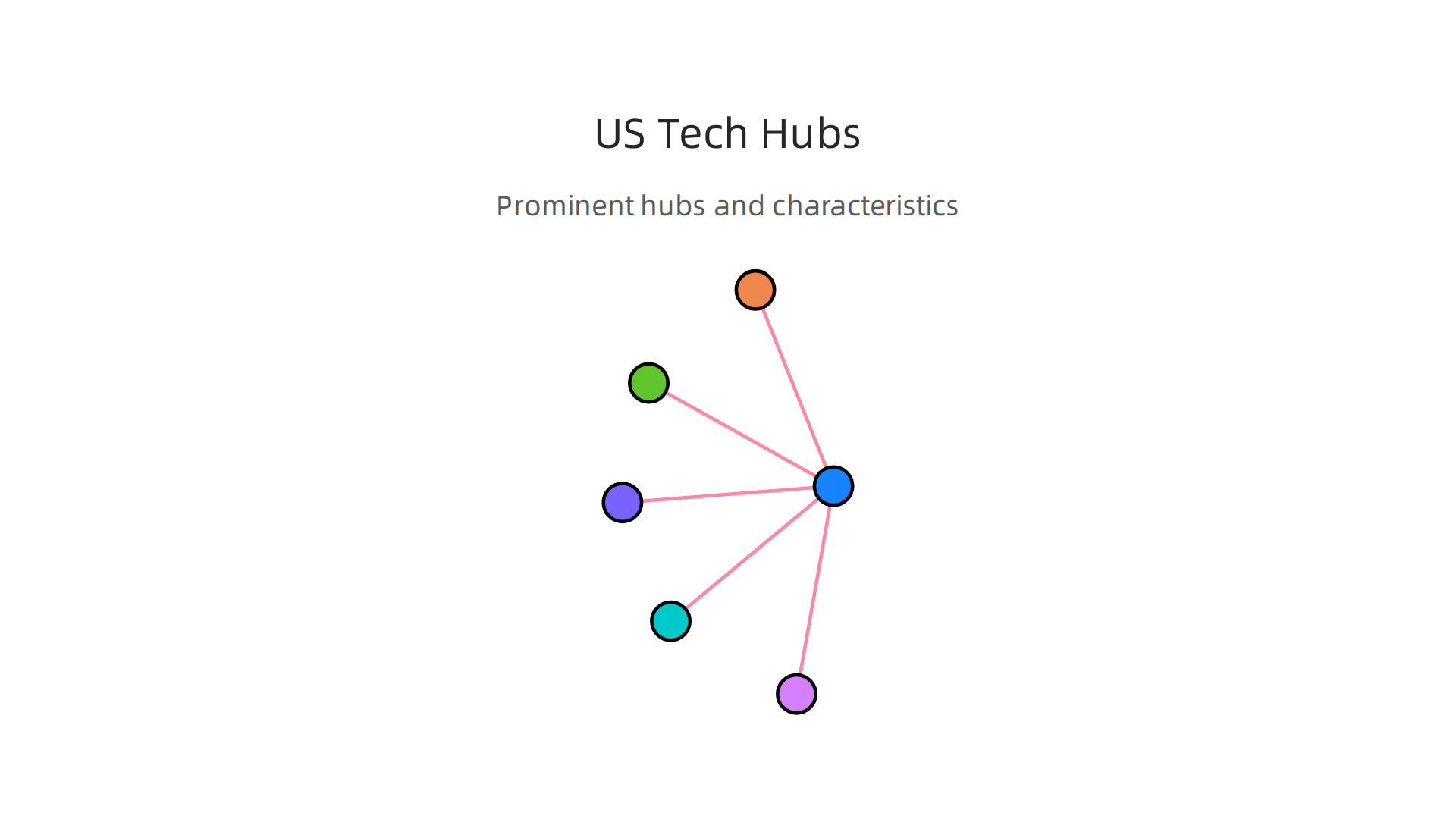
Austin’s tech workforce now makes up 13% of total employment, and it keeps growing at about 4.4% each year. That growth has pushed the city’s tech economy past 51 billion dollars. Other places like Raleigh-Durham, Denver, and Nashville offer 30 to 45 percent lower costs while still attracting top engineering talent. According to a guide on smart tech talent hotspots in 2026, these secondary hubs give founders a real edge when it comes to stretching their runway.
Talent migration has been the main driver behind this shift. During the pandemic, many tech workers left expensive coastal cities for more affordable places. Companies followed. That wave of relocations reshaped where IT companies in the USA set up their offices. Cities that were once overlooked are now home to major engineering centers and startup communities.
This geographic shift matters for founders. Where you locate your company affects the talent you can hire, the investors you can meet, and the partnerships you can build. If you are deciding where to plant your flag, reading up on how to pick the best tech hub for your startup can save you costly mistakes.
The whole ecosystem is more distributed than ever. The smartest play might not be the obvious one. And as you build your strategy, staying informed about broader tech trends is just as important as picking the right city. The AI Newsletter Worth Reading delivers clear daily updates on AI and technology shifts that could affect your next move.
Silicon Valley and the Bay Area
Despite the rise of new tech hubs, Silicon Valley remains the heart of top IT companies in the USA. The Bay Area holds the highest density of venture capital firms and unicorn startups anywhere in the country. With over 405,000 tech jobs clustered around San Francisco and San Jose, this region still draws the biggest brands and most ambitious founders. According to a directory of US startup hubs by city, the Bay Area leads the nation in funded companies across every major sector.
But the picture is changing. High housing costs and tough regulations have pushed some IT companies in the USA to expand elsewhere. Even giants like Google and Meta now run big offices in lower-cost cities. That does not mean Silicon Valley is in decline. It means the smartest companies are building presence in multiple places. For founders, watching where large players deploy resources tells you where the market is heading. More on that in our guide to corporate venture capital trends.
Emerging Hubs: Austin, Miami, and Denver
As top IT companies in the USA spread their wings, three cities have become major magnets for new headquarters and talent. Austin, Texas, has been a huge winner. Over 13% of all jobs in Austin are now in tech, and the sector pumps more than $51 billion into the local economy each year.

The city is a top destination for companies leaving California, thanks to lower costs and a growing pool of engineers. According to a 2026 analysis of 7 Smart Tech Talent Hotspots for US Expansion, Austin offers a 30-45% cost advantage over the Bay Area.
Down in Florida, Miami has carved out its own lane. The city’s pro-business vibe and crypto-friendly rules have drawn a wave of fintech and Web3 startups. Investors and founders alike are betting that Miami will keep growing as a serious alternative to New York.
If you are deciding where to build your next IT company in the USA, these hubs deserve a close look. Picking the right location can make or break your fundraising. For a broader view on how to choose your base, check out this guide to the world tech centers and how to pick the best hub for your startup fundraising.
Staying on top of where the smart money moves is a big advantage. The AI Newsletter Worth Reading delivers clear daily updates on tech trends that shape these decisions.
Beyond the Big Five: The Rise of Specialized IT Giants
You have heard a lot about the biggest names in tech. But the landscape of IT companies in the USA goes far beyond the Big Five. Today, specialized giants in cloud infrastructure, cybersecurity, and enterprise software are just as important.
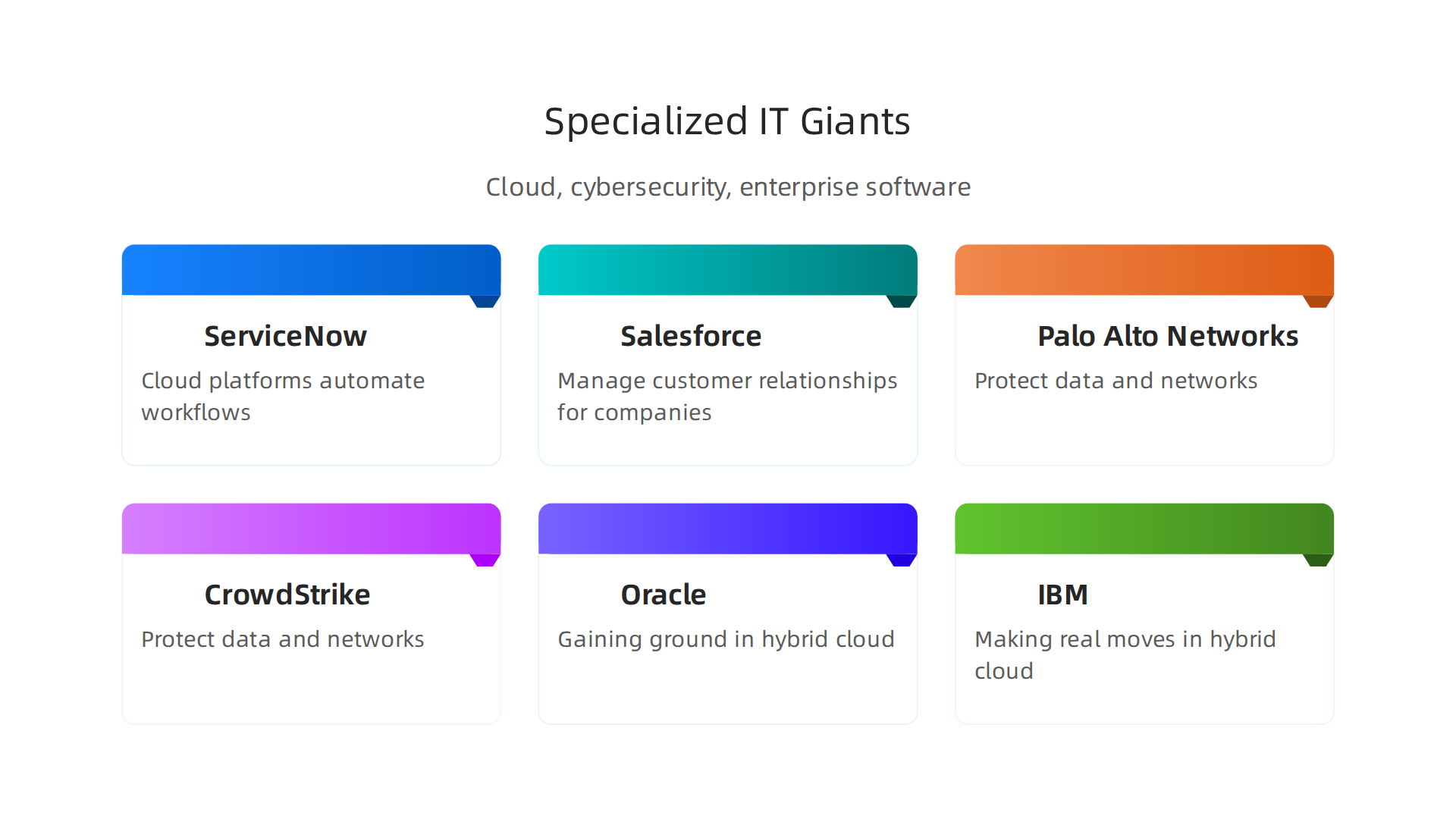
They may not have the same brand recognition, but they power the tools millions of businesses use every day.
Take ServiceNow and Salesforce. These cloud platforms automate workflows and manage customer relationships for companies of all sizes. Then there are cybersecurity leaders like Palo Alto Networks and CrowdStrike. As digital threats grow, these firms have become critical. Their products protect data and networks, making them essential for businesses and governments alike.
What makes these top IT companies so attractive to investors? It comes down to recurring revenue. Most of their income comes from subscriptions and long-term contracts. That steady cash flow is a big reason venture capital and private equity firms keep pouring money into these sectors. If you are building a startup in a specialized tech space, understanding this investor appetite is key. For a deeper look at how to position your company, check out this guide on tech company categories and how founders can attract the right investors.
According to the Cloud Wars Top 10 ranking of cloud vendors, companies like ServiceNow and Oracle are capturing massive cloud revenue. Even the biggest cloud providers like AWS and Azure face strong competition from these focused players.
The shift toward specialization means more opportunities for founders who build deep expertise in one area. Whether you focus on cloud security, enterprise software, or infrastructure, the market rewards focus.
Cloud Computing Dominance
When you think about IT companies in the USA, the cloud giants come to mind first. Amazon Web Services, Microsoft Azure, and Google Cloud control the bulk of the global market. As of 2026, these three hold over 60% of cloud infrastructure spending combined. The top cloud service providers for 2026 shows these leaders dominating the space.
Yet other top IT companies are gaining ground. Oracle and IBM are making real moves in hybrid cloud solutions. These let businesses split workloads between private data centers and public cloud networks. For founders tracking where investor dollars flow, understanding IBM news for startup founders can reveal valuable trends.
The AI Newsletter Worth Reading delivers clear daily updates on how cloud and AI shape the tech landscape.
Cybersecurity and Enterprise Software
All that cloud adoption brings a big risk. More data online means more targets for attackers. That is why cybersecurity spending is rising fast in 2026. Companies like Palo Alto Networks and CrowdStrike are seeing huge growth as businesses rush to protect their systems. These are some of the top it companies that investors keep a close eye on.
Enterprise software is changing too. The Forbes Cloud 100 2025 list shows how leaders like Salesforce and Workday are adding AI features to their tools. Instead of just storing customer data or managing payroll, these platforms now help predict sales trends and automate daily tasks. For founders deciding where to focus, exploring tech company categories for 2026 can reveal where the real growth is happening.
Cros tech and pennco tech are also stepping up in these areas, bringing more competition and new opportunities.
Innovation Drivers: R&D, Venture Capital, and Startup Ecosystems
But what fuels all this growth? It starts with massive investment in research and development.
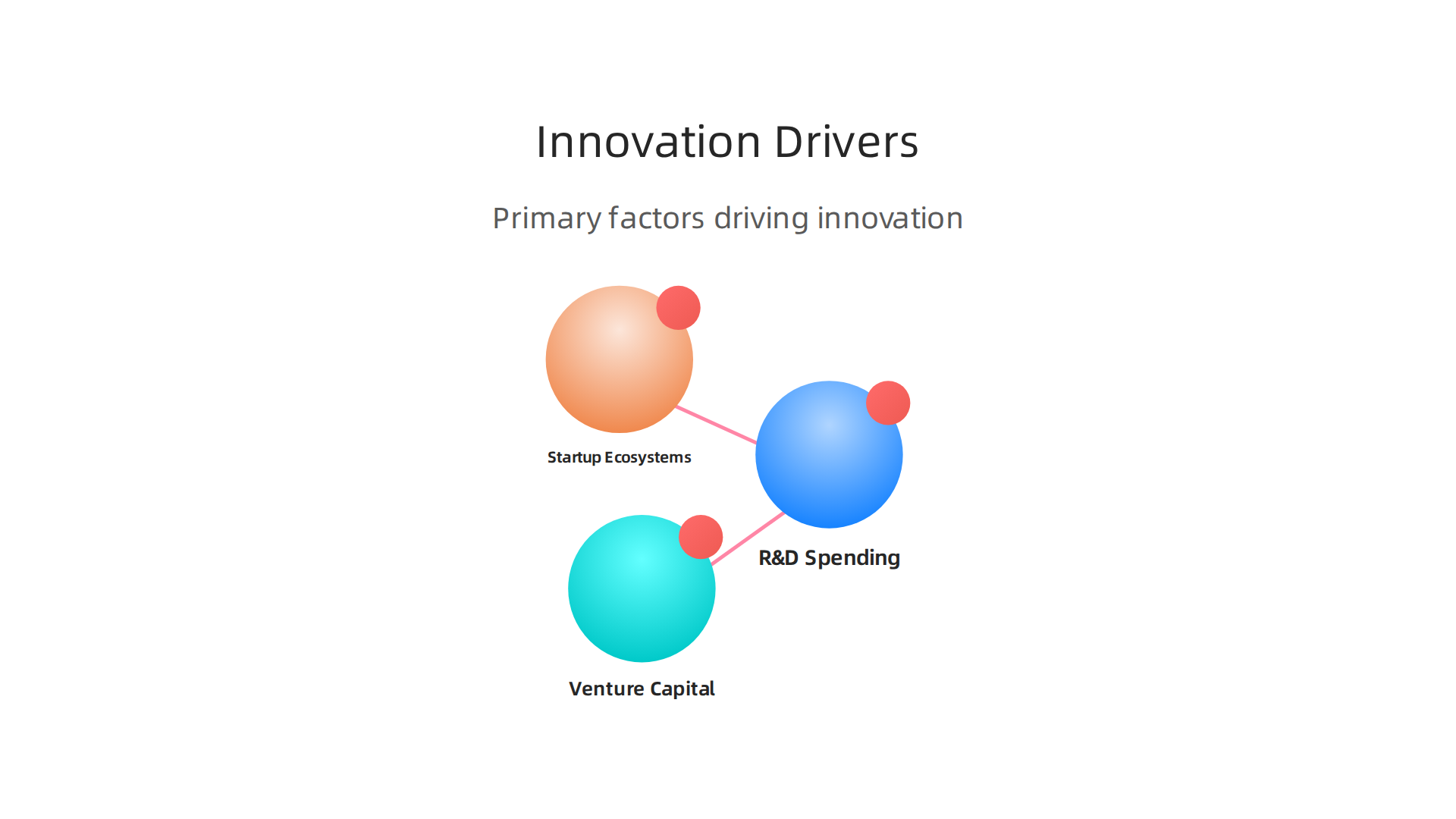
The top IT companies in the USA pour hundreds of billions into R&D every year. According to the latest rankings of the biggest R&D spenders, Amazon and Alphabet lead the pack, each spending over $60 billion annually. This money goes toward building better AI, faster cloud systems, and next-generation hardware. Companies like Cros tech and Pennco tech are also investing heavily, though their budgets are smaller. The result is a constant stream of new products that keep the industry moving forward.
Venture capital plays a huge role too. In 2026, funding for US tech startups remains strong, with AI and healthtech pulling in the biggest deals. Investors are betting on companies that solve real problems, from automating business tasks to improving patient care. This flow of capital helps ideas turn into real businesses. If you want to understand who is writing the checks, check out the latest trends in corporate venture capital, which has become a major force in startup funding.
A thriving startup ecosystem ties everything together. Incubators, accelerators, and IPOs create a loop where new companies rise, disrupt old markets, and attract more investment. That is why the IT companies in USA stay ahead of the rest of the world. They keep innovating because the system supports them at every stage.
If you want to stay on top of the fast-moving changes in AI and tech, consider signing up for The AI Newsletter Worth Reading. It delivers clear daily updates so you never miss the next big shift.
R&D Spending by Top IT Companies
So which companies are really putting their money where their mouth is? The top IT companies in the USA also lead the world in research and development spending. In 2025, Amazon spent more than $80 billion on R&D. That is more than any other company on the planet. To put that in perspective, check out the latest data showing how US tech giants dominate global R&D spending. This massive investment fuels new product breakthroughs and patent leadership.
High R&D spending directly leads to innovation. When companies like Amazon and Alphabet spend this heavily, they create better clouds, faster chips, and smarter AI. For startups watching these trends, it tells you where the market is heading next. Even smaller players like Cros tech and Pennco tech are boosting their budgets to keep up. If you need help positioning your own company, explore the latest insights on tech company categories for 2026.
The takeaway is simple: big budgets create big advantages.
VC Funding Trends in IT
Beyond R&D budgets, another powerful signal comes from venture capital. The top IT companies in the USA are not just spending their own money. They are also fueling a massive startup ecosystem. In 2025, VC investment in US tech startups reached a staggering $180 billion. AI companies captured the largest share of that pie. This matches the broader trend of rising tech spending, with Forrester reporting strong global technology spend growth in 2026.
Late-stage funding for established startups stayed solid. But something interesting happened on the early side. New micro-VCs popped up everywhere, making it easier for seed-stage founders to get their first checks. If you are an early-stage founder, understanding this shifting landscape is key. A great place to start is by understanding the difference between venture capital and private equity.
Given how much AI is driving these funding rounds, staying informed is a must. Subscribe to The AI Newsletter Worth Reading for clear daily updates that help you spot the next big opportunity before everyone else does.
Workforce and Talent: The Human Engine of the IT Industry
All that money flowing into IT companies in the USA needs people to put it to work.

And right now, the competition for those people is fierce. The US tech sector directly employs over 6 million workers, and according to the Bureau of Labor Statistics, that number keeps growing. Tech jobs are projected to add roughly 317,000 new openings each year over the next decade. If you want to know which roles are heating up fastest, check out the top tech jobs in 2026.
The biggest demand is for software engineers, data scientists, and AI specialists. Companies like Cros Tech and Pennco Tech are racing to fill these seats. But here is the twist. Remote and hybrid work have completely changed the game. Top IT companies can now hire from anywhere in the country, even the world. That sounds great for them. But it also means a startup in Des Moines is now competing for the same engineer as a giant in Silicon Valley. The talent pool got bigger, but so did the competition.
At the same time, serious skill gaps are showing up. Cybersecurity and AI roles are the hardest to fill. Both large enterprises and small startups struggle to find people who know the latest threats or can build production-ready AI models. This talent crunch creates real risk. If you are building a startup right now, you need a plan for hiring before you need the hires themselves. One smart move is to understand how tech industry layoffs 2026 have reshaped the talent pool, because many skilled workers are now open to new opportunities.
Employment Numbers and Growth
The numbers tell a clear story. Tech employment across it companies in usa has jumped 25% in the last five years. That pace far outruns the rest of the economy. According to the 2026 Technology job market: In-demand roles and hiring trends report, technology leaders are hiring more aggressively than any other sector right now.
But the growth is not just happening in Silicon Valley anymore. Cities like Austin, Nashville, Denver, and even Detroit are adding tech jobs faster than traditional hubs. That is good news for founders. It means top it companies like Cros Tech and Pennco Tech can build strong teams without paying Silicon Valley prices. It also means you have more options for where to build your own company.
If you are deciding where to grow, check out this guide on world tech centers 2026 to find the best hub for your startup.
Get clear daily AI updates from The Deep View Newsletter. The AI Newsletter Worth Reading helps you track these industry shifts every day.
Skill Gaps and the Remote Revolution
Here is the challenge every founder faces right now. Even with more tech jobs available, finding the right people is harder than ever. AI and cybersecurity roles are the hardest to fill. Many companies are offering signing bonuses just to get qualified candidates through the door. According to the Top Tech Jobs & Hiring Trends in 2026 report, rapid AI adoption and growing cybersecurity needs are creating a severe talent shortage.
Remote work has changed the game too. You can now hire engineers from anywhere. But that also means someone else can poach your best people just as easily. Talent poaching is up across the industry.
To stay competitive, founders need to understand how the landscape is shifting. Check out this guide on tech company categories 2026 to see where the biggest hiring gaps are and how to position your company to attract top talent.
The Future Landscape: Predictions for the Next Decade
Talent is tough to find right now. But the actual tools and technologies these teams will use are changing fast too. The next decade will reshape what IT companies in the USA even look like. Technologies like quantum computing, advanced AI, and biotechnology are hitting their stride. The Top 10 Emerging Technologies 2026 list from the World Economic Forum gives us a peek at these breakthroughs. For top IT companies, staying competitive means investing in these areas today.
At the same time, sustainability is moving from a nice side project to a central corporate strategy. Whether you look at the latest cros tech developments in smart infrastructure or specialized programs like Pennco Tech, every corner of the industry is affected. According to the Top 20 Technology Trends to Watch in 2026 on LinkedIn, automation and immersive computing are blending into one big ecosystem. IT companies in the USA that build ethical, energy-smart systems will have a real advantage. This matters for talent, for customers, and for long term survival.
For founders, this shift is a huge opportunity. Investors are actively hunting for startups working on deep tech and sustainable solutions. If you are building in these spaces, you have a clear edge in the fundraising game. You can dig deeper into how to position your company in our post on breakthrough tech fundraising strategies.
Keeping up with how fast AI and emerging tech are moving is hard. That is why I suggest you check out The AI Newsletter Worth Reading. It delivers clear daily updates straight to your inbox so you never miss a beat.
Quantum Computing and Next-Gen Tech
But quantum computing is where the race gets really interesting for top IT companies. IBM, Google, and Microsoft are all pushing hard to reach practical quantum supremacy. The Top 10 Emerging Tech Trends 2026 report from Juniper Research highlights post-quantum cryptography and neuromorphic computing as forces that will reshape enterprise decisions. For IT companies in the USA, the payoff could be huge. Quantum machines promise to speed up drug discovery, break current encryption methods, and solve optimization problems that stump classical computers. If you are a founder building in this space, staying close to IBM news for startup founders helps you spot funding signals early. Whether you work at a giant or a small startup, next-gen tech is the new playing field.
Sustainability and Ethical Tech
But playing with next-gen tech also means facing new responsibilities. The biggest IT companies in the USA are leading the charge here. Apple, Microsoft, and Google have all made bold carbon-neutral commitments that are forcing green data center innovations. At the same time, ethical AI frameworks and new regulations are gaining real momentum. That creates fresh consulting and compliance opportunities for founders who understand the landscape. If you want to see which companies are setting the standard, check out the Top 10 Emerging Technologies 2026 list from the World Economic Forum. And if you are building a startup in this space, knowing the right tech company categories for 2026 helps you position yourself to attract investors who care about sustainability.
Staying on top of fast-moving regulations and green tech trends is tough. The AI Newsletter Worth Reading delivers clear daily updates so you never miss a shift in ethical AI or climate tech policy.
Summary
This article maps the state of IT companies in the USA in 2026, explaining who the market leaders are, why they rose, and what that means for founders and investors. It covers market-cap and revenue rankings (led by Nvidia, Alphabet, Apple, Amazon, Meta), the rapid rise of AI and cloud spending, and how specialized players in cybersecurity and enterprise software fit into the ecosystem. Geographic shifts are highlighted too—Silicon Valley remains central but hubs like Austin, Miami, and Denver are growing fast—along with the hiring realities that startups face, especially for AI and security roles. The piece also explains how heavy R&D and changing VC dynamics (including corporate venture activity) create opportunities for founders, and it offers a forward-looking view on quantum, sustainability, and deep-tech fundraising. After reading, founders will better understand where capital and talent are flowing, which sectors investors favor, and how to choose hubs and position their startups for fundraising success.