

Introduction
You are a startup founder trying to raise capital in 2026. Every day, a new AI tool launches. A new tech category appears. And investors keep shifting their focus. It feels like running after a moving train.
Here’s the truth: the rapid evolution of technology creates both opportunity and confusion for founders like you.

In 2025, global venture funding surged 30% year over year, hitting over $427 billion according to the OECD. That was the third highest year on record. And AI alone captured 61% of all venture capital investment.
But here’s the thing. Investors are not just throwing money at any tech company. They want founders who understand the technology they are building. Founders who can explain their product clearly. Founders who can show they get the bigger picture.
That is where having a solid technology background matters. You do not need a computer science degree. But you do need to know the definition of technology as it applies to your space. You need to understand how your product fits into broader trends. And you need to align your pitch with what investors actually care about.
This article will give you a clear framework. We will look at the tech choice tools that top founders use to build trust with investors. We will pull insights from fox tech news and other trusted sources to show you what is working right now. And we will help you align technology news with your fundraising strategy.
If you want to dig deeper into how tech categories affect investor interest, check out our guide on tech company categories for founders.
It will help you position your startup in the right bucket.
The venture capital landscape is moving fast. In 2026, the market is expected to grow to nearly $400 billion and keep climbing. You need to stand out. A strong technology background is your secret weapon.
Want daily clarity on what AI and tech trends actually mean for your fundraising? Subscribe to The Deep View Newsletter. It gives you clear, actionable AI insights without the noise.
The Evolution of Technology Trends Impacting Startup Fundraising
Remember when investors loved every SaaS company that came their way? Those days are gone. Over the past five years, venture capital has made a sharp turn. Money has moved away from simple software subscriptions and toward companies building harder, deeper technologies.
Here is what happened. In 2025, global venture funding hit over $427 billion according to a Crunchbase report.
That was a 30% jump from the year before. But here is the catch. AI alone captured 61% of all VC investment, as the OECD confirmed. And generative AI funding nearly doubled from $24 billion in 2023 to $45 billion in 2024, per Mintz.
So where is the money flowing now?
Three big shifts have happened:
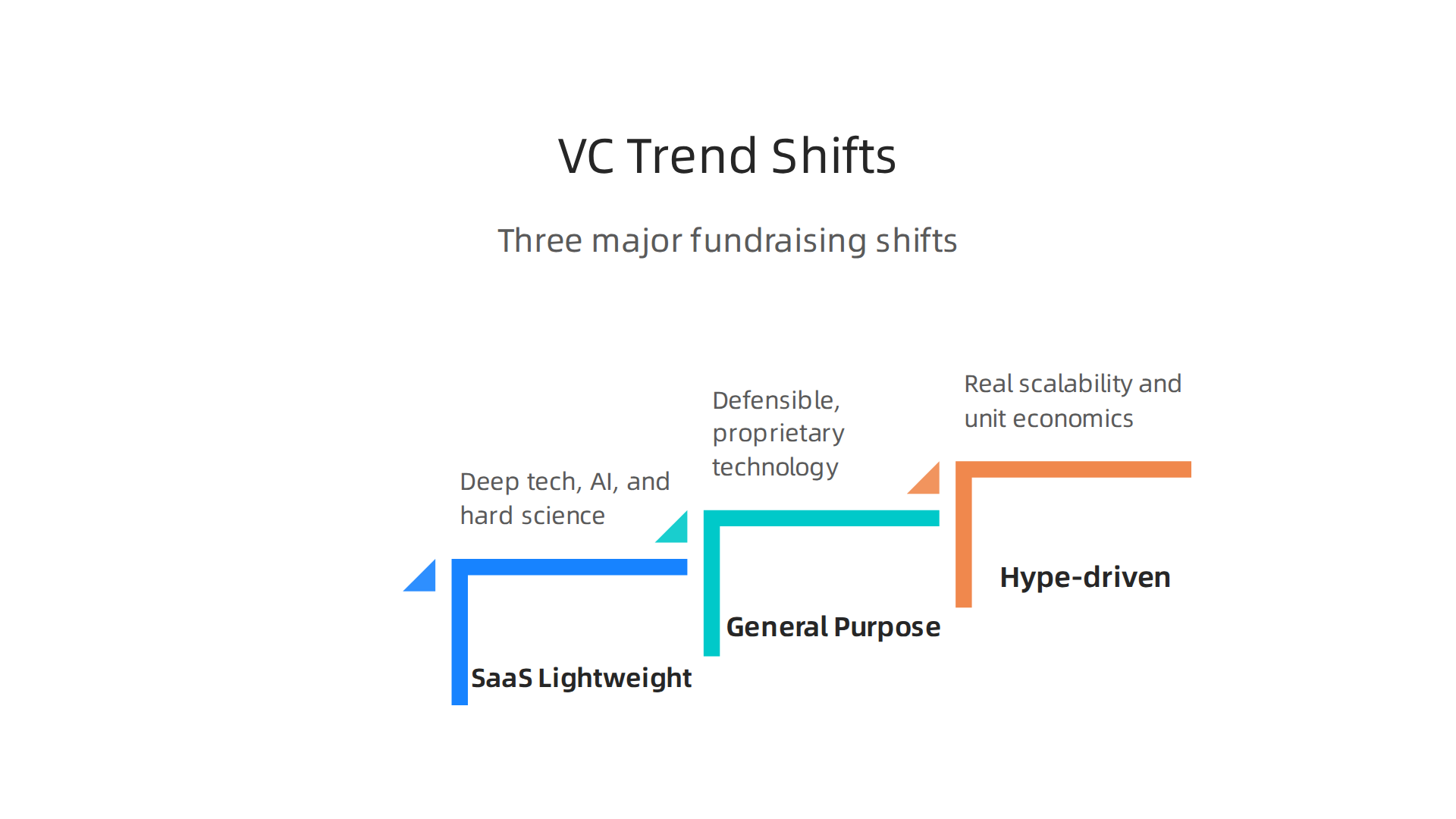
| Old Trend | New Trend |
|---|---|
| SaaS and lightweight software | Deep tech, AI, and hard science |
| General purpose tools | Defensible, proprietary technology |
| Hype-driven growth | Real scalability and unit economics |
Deep tech is the main event. Fields like AI-driven biopharma, robotics, and automation now attract the biggest checks. A 2026 study in PMC found that venture capital in AI-driven healthcare startups has grown rapidly since 2010. And Silicon Valley Bank reported that 2025 saw more $300 million plus AI healthcare deals than any year before.
Climate tech and nature tech are rising fast too. Funding for nature tech reached $2.1 billion in 2024, up 16% year over year, according to Serena Capital. Investors are betting on companies that solve real world problems with real technology.
What does this mean for you as a founder?
You need a solid technology background to show investors you understand these macro trends.

If you built a SaaS tool for restaurants, that is fine. But if you can frame it as an AI driven operations platform with defensible data moats, your story changes completely.
Investors in 2026 are obsessed with two things:
- Technological defensibility. Can someone copy your product in six months?
- Scalability. Can your technology handle 100x growth without breaking?
The definition of technology in your pitch matters more than ever. You need to prove your product solves a hard problem that most people cannot solve.
Here is the thing. Later stage funding now makes up about 47% of all capital raised, up 11% year over year, as Seedscope reported. Investors are putting bigger bets on fewer companies. They want founders who show deep technological understanding.
Your move: Stop pitching yourself as just another app. Start positioning your company within the trends that matter. Use tech company categories to find your natural investor fit. And stay sharp on where the market is heading.
Want daily clarity on what AI and deep tech trends actually mean for your fundraising? Subscribe to The Deep View Newsletter. It gives you clear, actionable insights without the noise.
Key Technology Domains Driving Investor Interest in 2026
Not all technology domains get the same love from investors. In 2026, the money flows heavily into four sectors. Each has its own rules, its own metrics, and its own kind of founder background. If you want to raise capital, you need to know which bucket your startup falls into.
Artificial Intelligence and Machine Learning
AI is still the king. In 2025, AI companies took 61% of all venture capital globally, according to the OECD. Generative AI funding alone hit $45 billion in 2024, nearly double the year before, as Mintz reported. Investors love AI because it touches everything. But they also ask harder questions now.
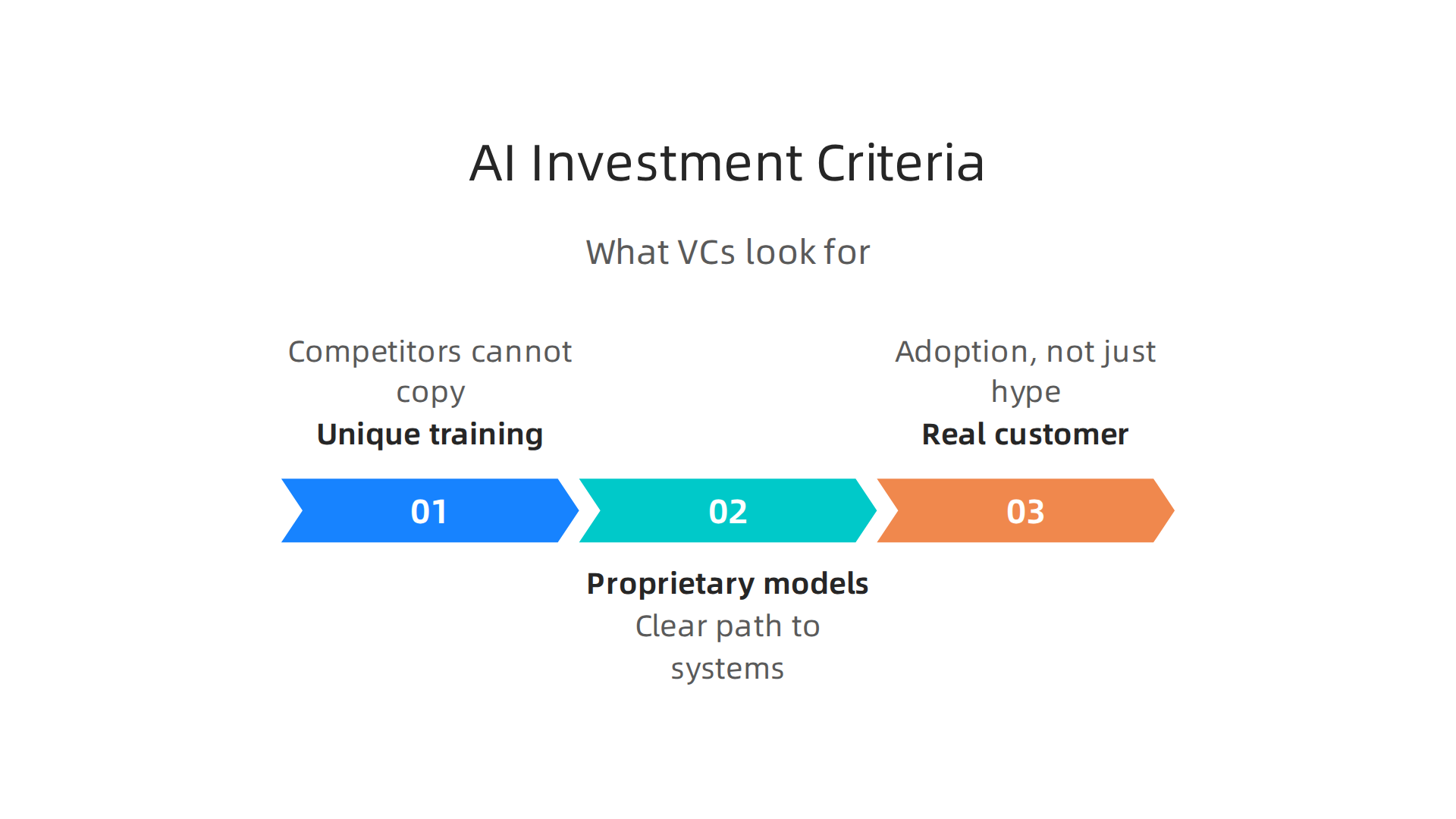
**What VCs look for in AI:
**
- Unique training data that competitors cannot copy
- Clear path to proprietary models or fine-tuned systems
- Real customer adoption, not just hype
If you are building an AI startup, your technology background needs to show deep understanding of the models and the data. A generic wrapper around someone else’s API won’t cut it anymore. You need to know the definition of technology your startup relies on and be able to defend it.
Climate Tech and Nature Tech
This sector is growing fast. Nature tech funding reached $2.1 billion in 2024, up 16% year over year, according to Serena Capital. And climate tech includes everything from carbon capture to sustainable materials to renewable energy software.
Investors in climate want:
- Real scientific or engineering breakthroughs
- Clear regulatory pathways
- Large addressable markets
When you use tech choice tools to evaluate which hardware or software stack to build on, make sure you can explain why your approach is cheaper or more scalable than existing solutions. That is what separates funded climate startups from the rest.
Biotech and Healthcare
Healthcare VC set records in 2025. Silicon Valley Bank reported that more $300 million plus AI healthcare deals closed in 2025 than in any prior year. A PMC study shows that venture capital in AI-driven biopharma has grown rapidly since 2010, and the pace is not slowing.
What investors care about here:
- Clinical trial results and timelines
- Regulatory strategy (FDA, EMA, etc.)
- Proprietary platforms that can produce multiple drugs
Your technology background in biotech often matters more than your business background. Founders with PhDs or deep domain expertise tend to win.
Fintech
Fintech is quieter than 2021 but still strong. The focus has shifted from consumer apps to infrastructure, payments, and B2B lending. According to MoonshotNX, fintech remains a top sector, but investors want proven unit economics and compliance readiness.
Key evaluation criteria:
- Regulatory licenses and partnerships
- Low customer acquisition costs
- Fraud prevention and security
Emerging: Quantum Computing
Quantum computing is still early, but the market is projected to grow from $1.53 billion in 2025 to over $18 billion by 2034, according to Fortune Business Insights. Corporate venture capital is flowing in, as Qubit Capital notes. This domain is for very specialized founders.
What investors want now:
- A clear use case (drug discovery, cryptography, optimization)
- Progress toward fault-tolerant hardware or software
- Partnerships with big enterprises
How to pick your domain and pitch it
You cannot be everything to everyone. Investors want to see that you have chosen a domain deliberately and that your definition of technology fits that space. If you are climate tech, do not pitch like a fintech company. Use tech company categories to find your natural home.
Stay aligned with what is happening in the market. Read technology news and watch how Fox Tech News covers shifts in AI or energy. When you align technology news with your pitch, you show investors that you understand the macro environment.
The bottom line is simple. Pick the domain that matches your technology background. Learn the evaluation criteria for that domain. And build your pitch around the metrics that matter most to that investor profile.
Want daily insights on which technology domains are heating up and what investors actually look for? Subscribe to The Deep View Newsletter. It cuts through the noise and gives you clear, actionable updates every day.
The Role of Technology in Streamlining the Fundraising Process
Fundraising can feel messy. You send emails, track follow-ups in a spreadsheet, share pitch decks as attachments, and hope people actually open them. But in 2026, the best founders use modern tools to turn this chaos into a clean, trackable process. The modern definition of technology for a founder is simple. It is any tool that saves you time or gives you better data to make decisions.
The tools that matter most
A virtual data room (VDR) is a must-have. Instead of emailing files back and forth, you share a secure link. You can see exactly when an investor downloads your deck and which page they spend the most time on. According to Pitchwise, tools like DocSend and PandaDoc are essential for every founder in 2026.
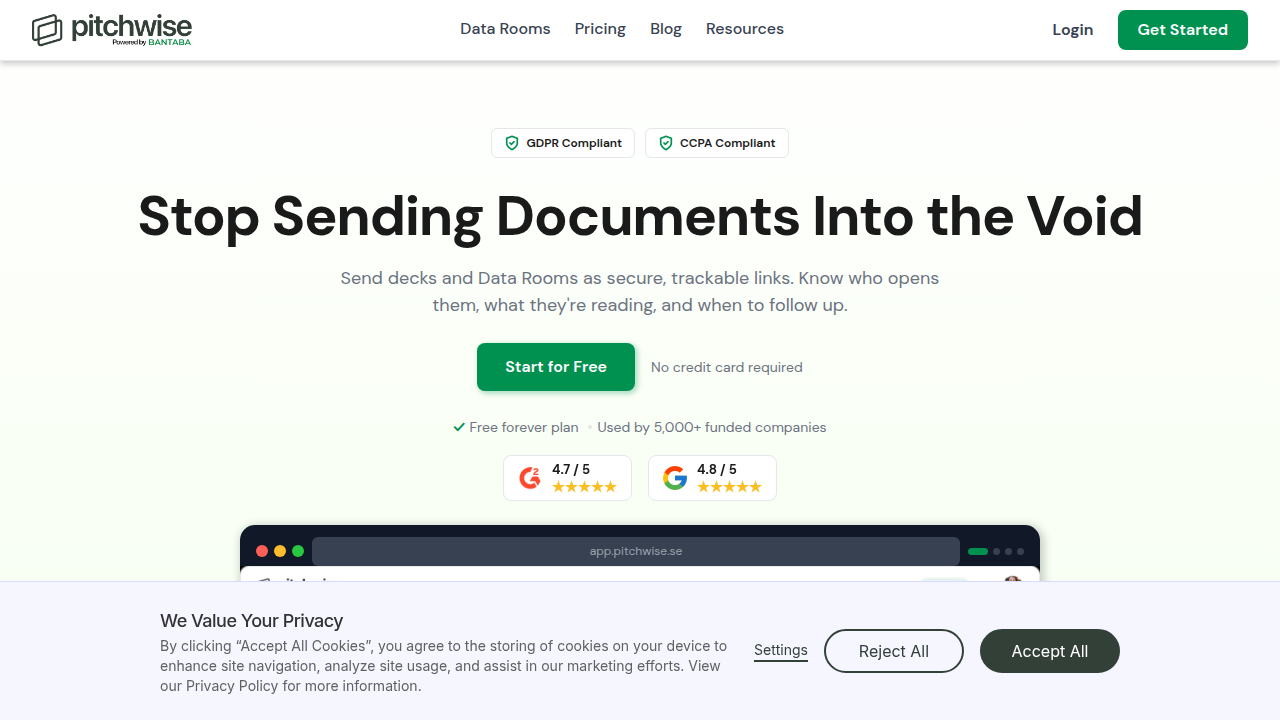
They turn blind outreach into a data-rich process.
CRMs designed for fundraising help you manage your pipeline. You track who you met, what they said, and when to follow up. Qubit Capital notes that email sequencing and LinkedIn automation platforms now dominate how founders handle investor outreach. These tools save hours every week.
AI pitch assistants are newer but powerful. They help you practice your delivery, analyze investor sentiment, and even suggest which tech company categories make the most sense for your business.
Reducing information asymmetry
Technology also helps you level the playing field. In the past, investors knew more about the market than you did. Now, platforms like SwitchPitch and GrowthList let you see exactly which investors are active, what they just funded, and who their portfolio founders are.
Tools like DocSend even tell you if an investor shared your deck with their partners. That data changes how you prioritize follow-ups. When you align technology news from sources like Fox Tech News with your investor updates, you show that you understand the broader market. It builds trust.
Best practices for your digital infrastructure
Building a strong digital fundraising setup takes some planning. Here is where to start:
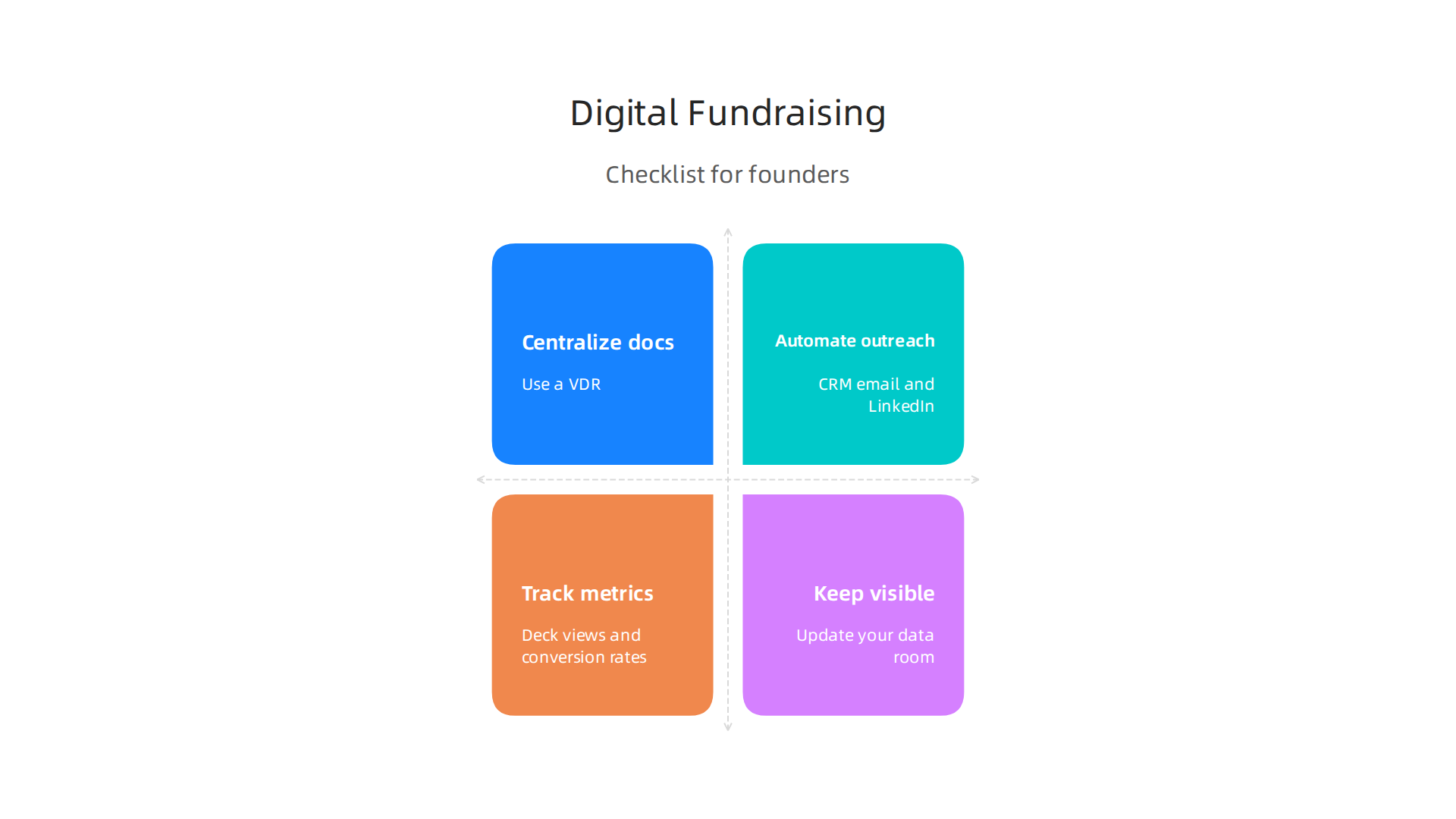
- Centralize your documents. Use a VDR so every document lives in one spot with one link.
- Automate your outreach. Use CRM sequences for email and LinkedIn. Track open rates and replies.
- Track your metrics. Monitor deck views, meeting conversion rates, and time spent per investor.
- Keep your technology background visible. Investors want to see your technical architecture. Update your data room with your stack and your definition of technology so they understand what makes your product defensible.
If you need more guidance on how to present your tech stack clearly, check out this guide on technology synonyms to attract the right investors. It helps you use the right language in your pitch and data room.
The bottom line
Tools alone do not close deals. Your technology background and clarity around your definition of technology are what win investors over. But using smart tech choice tools shows that you are efficient, data-driven, and serious about fundraising.
Want daily insights on exactly what investors are looking for in 2026 and how to use the right tools to get their attention? Subscribe to The Deep View Newsletter. It cuts through the noise and gives you clear, actionable updates you can use today.
How to Build a Technology Stack That Attracts Investors
Your technology background is one of the first things investors look at during due diligence. They want to see that you have made smart choices about the tools and systems that power your business.

A strong tech stack tells them you can execute fast and scale later.
What is a technology stack in simple terms?
A technology stack is just the set of tools you use to build and run your product. It includes your cloud provider, your database, your analytics platform, and your security setup. This is your definition of technology in action. You are choosing the right building blocks for your specific needs.
Investors in 2026 do not just look at your product. They look at how you built it. According to Wellows, the top startups this year are redefining AI, robotics, and cybersecurity with modern infrastructure. If your stack uses outdated tools, it raises red flags.
The key components investors care about
Here are the parts of your stack that matter most during fundraising:
- Cloud infrastructure. Most startups use AWS, Google Cloud, or Azure. Pick one and stick with it. Investors want to see you are on a platform that can grow with you.
- Analytics and data. Tools like Mixpanel, Amplitude, or Segment help you track user behavior. Investors love data-driven teams.
- Security and compliance. If you handle customer data, you need SOC 2, GDPR, or HIPAA compliance. Seedtable highlights that top startups prioritize security from day one.
- AI integration. In 2026, almost every startup uses AI somewhere in their product or operations. The siift blog lists AI tools for strategy and validation. Showing that you actively use AI signals you are forward-looking.
Your tech choice tools matter here. Selecting the right cloud provider or analytics tool shows good judgment. Investors see this as a sign that you will make smart decisions elsewhere.
How to choose the right tools
Do not pick tools just because they are trendy. Choose what fits your business stage and budget. Here is a simple framework:
- Start simple. Use one tool per category. Avoid tool sprawl.
- Focus on scalability. Pick tools that let you upgrade without rebuilding.
- Show your work. Document why you chose each tool. Put this in your data room. It shows investors that you have a clear definition of technology for your business.
Stay informed about tech trends
Investors want to know you understand the broader market. Follow sources like Fox Tech News to stay current on what is happening in tech. Use what you learn to align technology news with your own strategy. When you can talk about how a new AI model affects your product, you sound like an expert.
For a deeper look at how to define your technology stack clearly for investors, read our guide on technology synonyms to attract the right investors. It helps you use the right language in your pitch.
And if you want to stay ahead of every tech trend that matters for your fundraising, subscribe to The Deep View Newsletter. It delivers daily insights that help you make smarter tech choices and impress investors.
Understanding the Investor’s Technology Lens: What VCs Look For
Building a solid tech stack is a great first step. But understanding how investors actually see your technology is the real secret. You need to get inside their heads.
Here is the thing. In 2026, venture capitalists have more data than ever before. They are also pickier. The global venture capital market is not recovering the way many expected, according to StartupStash. That means the bar is higher for founders.
The three things VCs judge about your technology
When an investor looks at your startup, they view your technology background through three specific lenses.
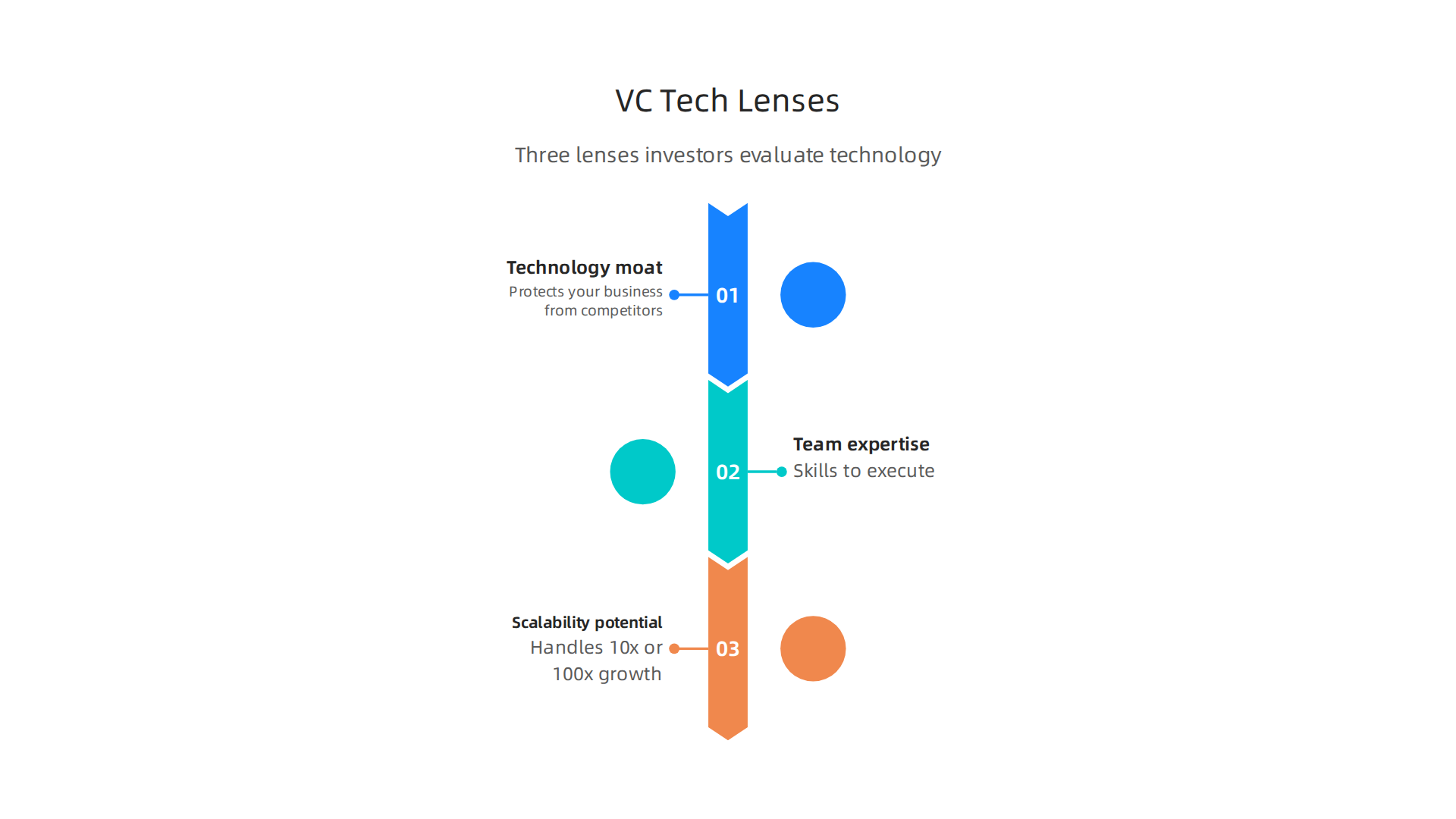
You need to shine in all three areas.
1. Your technology moat
A moat is what protects your business from competitors. VCs want to see that your technology is hard to copy. Maybe you have a unique algorithm. Maybe you own proprietary data. Or maybe you have deep integrations with key platforms.
If your technology is easy to replicate, investors will pass. The 2026 VC Playbook explains that investment criteria have evolved to favor startups with defensible AI models and unique data assets. Your definition of technology needs to include a clear competitive advantage.
2. Your team’s expertise
Your technology background matters here too. Investors fund people, not just products. They want to know that you and your team have the skills to execute.
Do you have a CTO who has built at scale before? Have your engineers shipped products that users love? According to Spectup, team quality is one of the four pillars VCs use to evaluate startups. If your team lacks deep technical experience, that is a red flag.
The same source notes that behavioral red flags during fundraising often predict problems later. So being honest about your team’s strengths and gaps is important.
3. Scalability potential
Investors want to see that your technology can handle 10x or 100x growth without breaking. They ask questions like: Will your cloud costs explode? Can your database handle more users? Is your architecture modern or legacy?
Your tech choice tools from the last section directly affect how investors see your scalability. Picking flexible, modern tools signals that you are ready to grow.
How investors check technology readiness
VCs do not just take your word for it. They look for evidence. Here is what they examine during due diligence:
- Your product demo. They watch closely to see if your product works smoothly.
- Your technical documentation. Clear docs show discipline.
- Your team’s background. Past exits or relevant experience matter a lot.
- Your market timing. Is the market ready for what you built? MoonshotNX explains that investors evaluate market size and product strength together. Even great technology fails if the timing is wrong.
For a deeper look at how to define your technology clearly for investors, check out our guide on technology definition in 2026. It gives you a framework to explain your tech in terms investors understand.
Why you need to articulate your advantage clearly
Here is the truth. You might have the best technology in the world. But if you cannot explain it simply and convincingly, investors will not care.

Too many founders stumble when asked: "Why is your technology better?" They jump into jargon and technical details. Instead, keep it simple. Focus on the outcome. Your technology lets customers save money, save time, or get better results.
This is where staying current helps. Following sources like Fox Tech News helps you align technology news with your own pitch. When you can connect your product to broader trends, you sound like an insider.
Market timing and technology readiness are critical
In 2026, investors are especially focused on timing. The market for AI startups alone attracted over $131 billion in funding recently, growing 52% while funding for other startups stayed flat, according to Qubit Capital. But the Presta framework points out that social proof and topical authority matter more than ever.
You need to show that your technology is ready for the market right now. Not next year. Not in three years. Now.
If you want to stay ahead of every technology shift that affects your fundraising, subscribe to The Deep View Newsletter. It delivers clear daily insights that help you make smarter tech decisions and impress investors.
Emerging Technology Trends Every Founder Should Monitor
You already know that investors judge your technology background carefully. But here is the part many founders miss. The technologies that matter most to VCs in 2026 are shifting fast. If you are not watching the horizon, you might build something that feels outdated before you even launch.
Let us look at the fields gaining real traction right now.
Quantum computing is no longer science fiction
Quantum computing has moved past the lab. The global quantum computing market is projected to grow from $1.53 billion in 2025 to $18.33 billion by 2034, according to Fortune Business Insights. That is a compound annual growth rate of over 31%. Not bad for a technology many people still think of as a distant dream.
Corporate venture capital is pouring into quantum tech. Research from Qubit Capital shows significant growth in corporate investment and rising global funding for quantum startups. Recent breakthroughs have pushed quantum closer to solving real problems like faster drug discovery and better battery chemistry, as noted by IDTechEx.
If your definition of technology includes handling complex computations that classical computers struggle with, quantum could be your next moat.
Edge AI brings intelligence closer to the user
While everyone talks about cloud AI, edge AI is quietly exploding. Instead of sending data to a distant server, edge AI processes information right on the device. This means faster responses, lower costs, and better privacy.
Think about smart cameras that recognize faces instantly. Or medical devices that analyze data without needing an internet connection. Founders who understand edge AI can build products that feel magic to users.
Synthetic biology and space tech rise
Synthetic biology is another field gaining serious attention. Engineers are programming living cells to produce everything from sustainable materials to new medicines. The technology background of a synthetic biology startup looks very different from a software company. But the potential is huge.
Space tech is also becoming more accessible. Launch costs have dropped dramatically. Small satellites now offer data services that were once only possible for governments. If you can align technology news with your own pitch, mentioning how your startup connects to these trends makes you sound forward-thinking.
How to stay ahead without getting distracted
Here is the challenge. You cannot chase every new trend. But you also cannot ignore them. The key is to monitor emerging technologies regularly and ask one question: "How could this change the market for my customers?"
For example, if quantum computing becomes practical for drug discovery, what does that mean for your healthtech startup? If edge AI reduces cloud costs, does your SaaS product need to adapt?
This is where following trusted sources helps. Reading Fox Tech News or similar outlets gives you a weekly pulse on what is shifting. And when you can align technology news with your own startup story, investors notice.
One of the best ways to stay informed without getting overwhelmed is subscribing to a daily newsletter that cuts through the noise. The Deep View Newsletter delivers clear, daily AI and tech updates that help you spot opportunities early. It is the kind of resource that makes you sound like an insider during investor meetings.
Early adoption gives you a fundraising edge
Investors love founders who see what is coming before everyone else. When you show that your tech choice tools are aligned with emerging trends, you demonstrate vision. You are not just building for today. You are building for the next five years.
To dive deeper into how to frame your technology for investors, check out our guide on technology definition in 2026. It gives you a simple framework to explain your tech in terms that make VCs lean in.
Remember, the best time to integrate emerging tech into your story is before your competitors do. Start monitoring today.
Summary
This article explains why founders who understand and articulate their technology background raise capital more effectively in 2026. It reviews the latest funding shifts—highlighting AI’s dominance and rising interest in climate tech, biotech, fintech, and quantum—and explains what investors now prioritize: technological defensibility, scalability, and team expertise. The piece shows which domains attract the biggest checks, which metrics and documents VCs inspect during diligence, and how to use modern tools (VDRs, CRMs, AI assistants) to streamline outreach and surface useful data. It also gives practical guidance on choosing a technology stack, documenting tech choices for investors, and aligning public tech news with your fundraising narrative. By following the frameworks and examples here, founders will be able to present a clearer technology story, pick the right tools, and position their startup in the investor categories that matter most.