

The venture capital world is vast and confusing.

In early 2026 alone, global VC funding hit $456 billion, putting the year on track for over $1 trillion, according to the Global venture capital report. Yet most of that money flows to a small set of top firms. The 2026 Venture Outlook notes that the 10 largest funds capture over 40% of all capital raised. For founders, this means pitching to the wrong investors is a costly mistake.
Understanding the key players is critical. Firms like Trive Capital, Bain Capital Ventures, Shore Capital Partners, Cornerstone Companies, and HLM Investment Partners each have unique strategies. To see how these firms differ from traditional venture capital, learn about the venture capital and private equity differences.
This article breaks down Trive Capital and the broader VC ecosystem, giving you actionable tips to find the right investors and avoid wasted effort. Also, staying informed on AI trends that drive venture funding is essential. Get clear daily AI updates from The AI Newsletter Worth Reading to keep your fundraising strategy sharp.
What is Trive Capital?
Trive Capital is a private equity firm based in Dallas, Texas. It was founded to invest in middle-market companies that have real potential for growth. Unlike many venture capital firms that focus on early-stage tech startups, Trive targets more established businesses that may need a turnaround or operational push.
As of 2026, Trive manages over $8 billion in assets. The firm invests both equity and debt in companies with revenues between $40 million and $1.5 billion. They look for businesses at an inflection point – maybe a family-owned company ready to scale or a company that needs new leadership.
Trive’s investment strategy is sector agnostic, meaning they don’t stick to one industry.

Instead, they focus on specific situations: companies that are undervalued, underperforming, or in special situations. Their target sectors include aerospace, automotive, healthcare, manufacturing, technology, and more, as detailed in their Investment Strategy & Criteria.
So what makes Trive different from traditional VC?
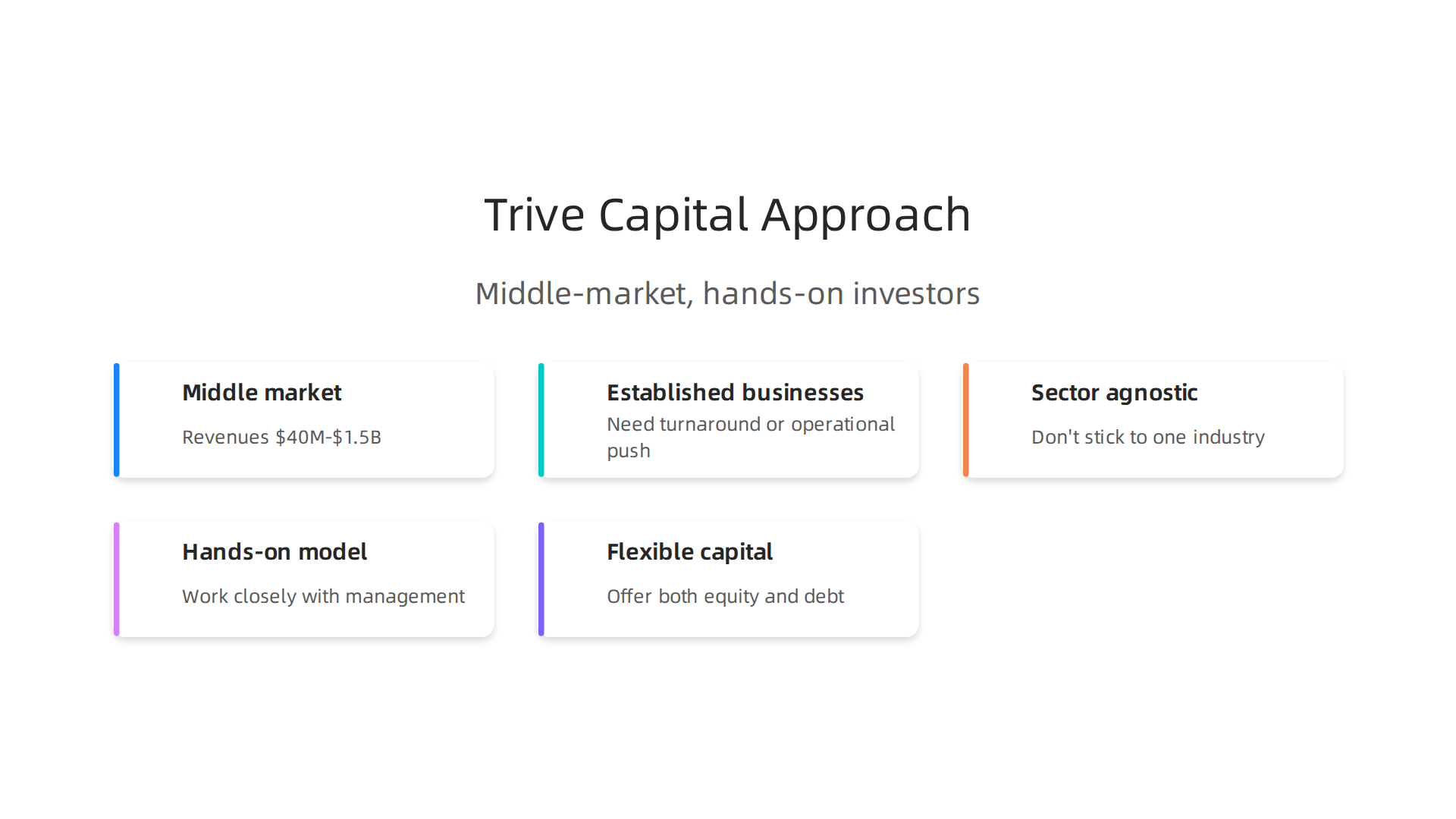
First, they use a hands-on operational model. They don’t just write a check and wait. They work closely with management to improve operations and drive growth. Second, they offer flexible capital – both equity and debt – which is rare in the venture world. This flexibility lets them structure deals that fit each company’s unique needs.
If you’re a founder looking for a partner that can provide more than just cash, understanding firms like Trive is key. To learn more about how private equity differs from venture capital, check out our guide on private equity funds for startup founders.
The Role of Venture Capital in Startup Success
Now that you understand how firms like Trive Capital operate in the private equity world, it helps to see how venture capital works for earlier-stage startups. Venture capital (VC) is often the fuel that turns a promising idea into a fast-growing company. But the money itself is only part of the story.
Good VC partners bring two other things that can make or break your startup: strategic guidance and access to networks.
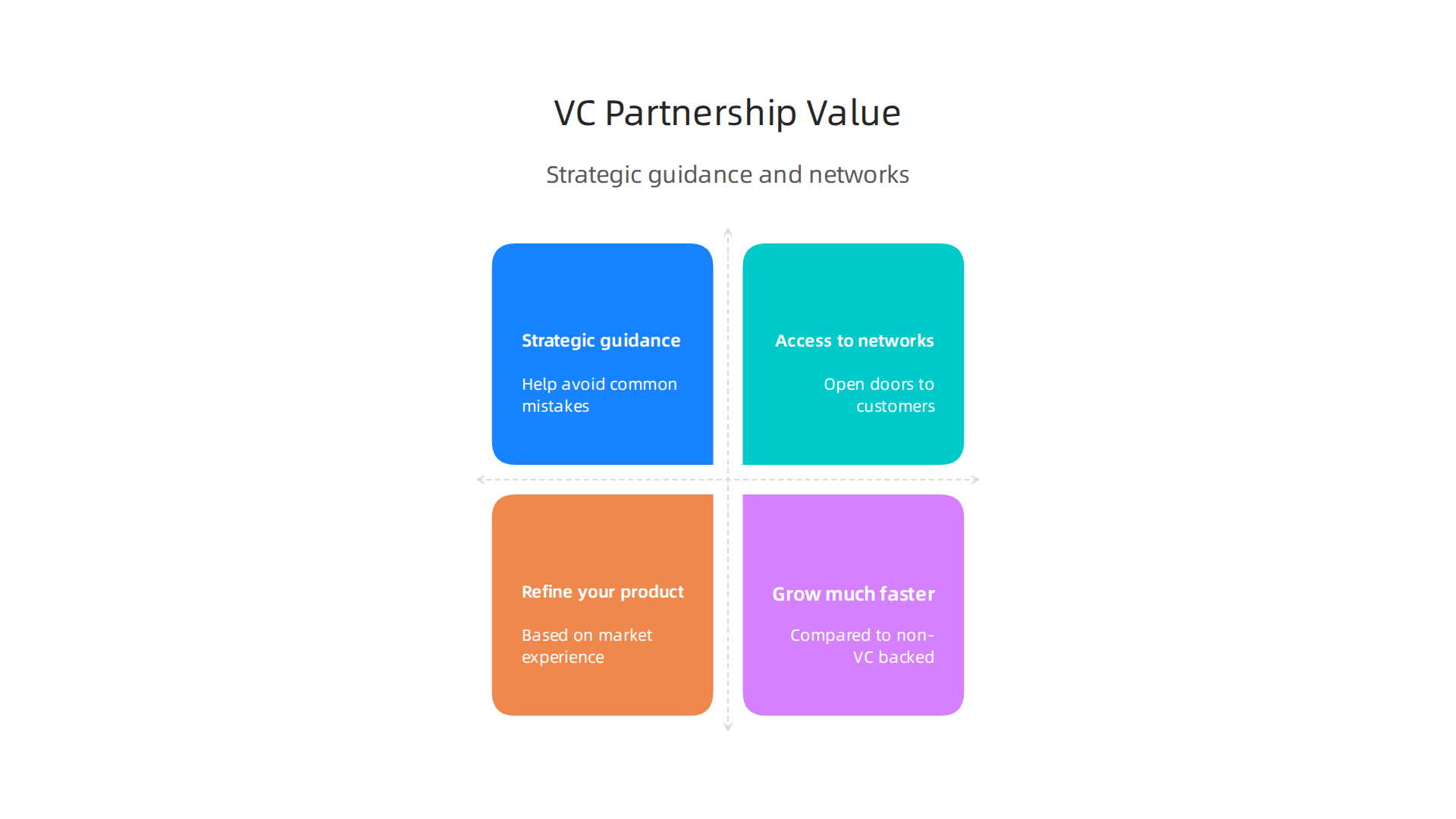
Experienced investors have seen dozens of companies face the same challenges you will. They can help you avoid common mistakes, refine your product, and open doors to key customers and future investors.

The numbers back up the value of VC backing. Startups that raise venture capital tend to grow much faster than those that don’t. In fact, according to global startup funding growth data, capital deployed into startups worldwide has grown nearly tenfold over the past five years, reaching $445.2 billion in 2025. That kind of firepower creates a clear advantage.
But not all VC is the same. Choosing the right partner matters a lot. Some firms focus on early-stage bets, while others specialize in later rounds. Some offer deep industry connections, others bring operational expertise. If you are comparing options, check out our breakdown of the venture capital vs private equity difference for founders to see which model fits your stage.
One major trend in 2026 is the concentration of VC dollars in artificial intelligence. AI startups now capture the majority of venture funding. If you want to stay on top of how AI is reshaping fundraising and investment strategies, consider subscribing to The AI Newsletter Worth Reading. It delivers clear daily updates that help you spot opportunities early.
Understanding Investor Groups: Angels, Syndicates, and VCs
Not all startup funding comes from big institutional venture capital firms.
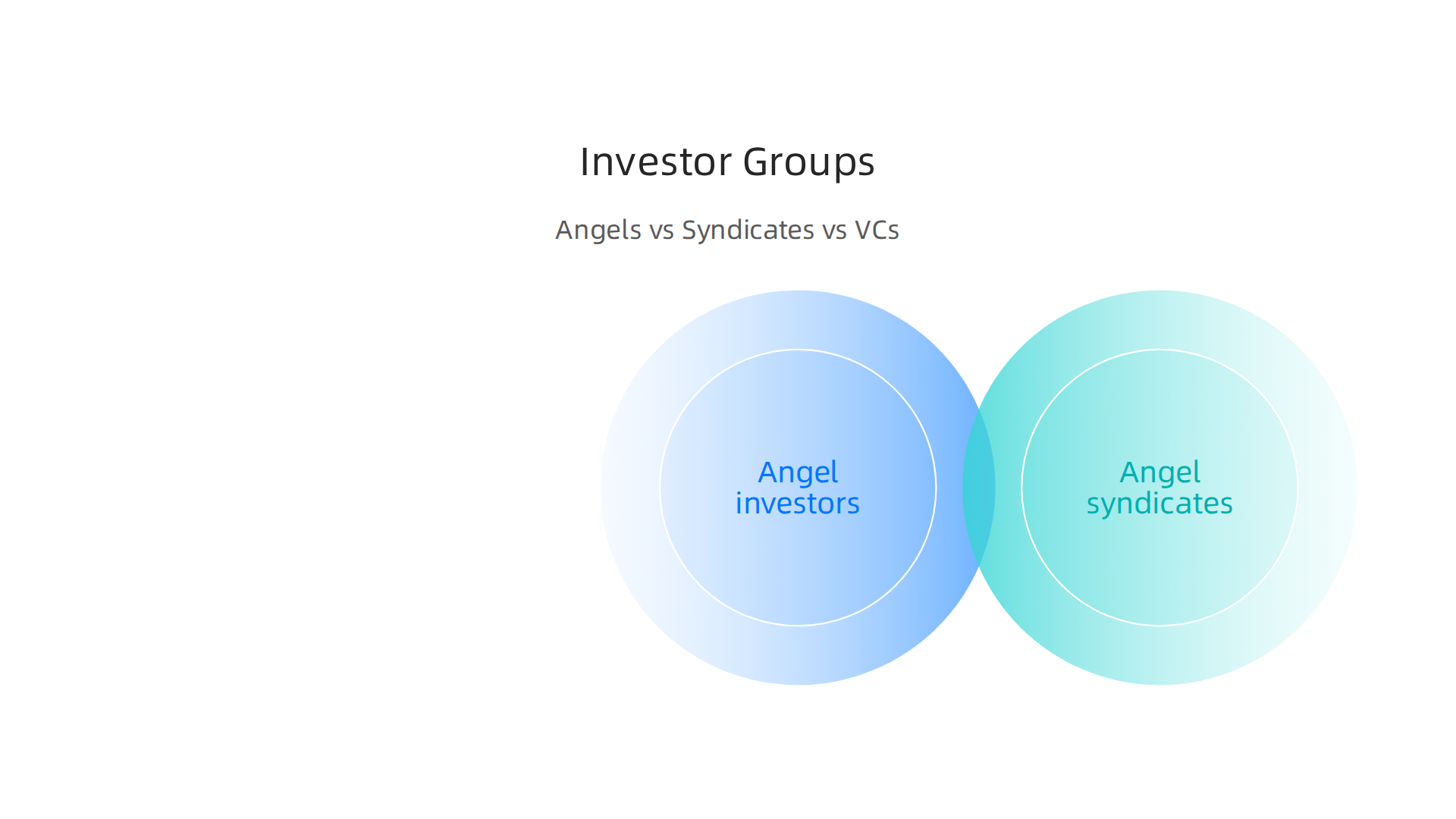
In fact, many of the most successful companies start with money from individual investors. Knowing which investor group fits your stage can save you months of wasted effort.
Angel investors are high-net-worth individuals who invest their own money in early-stage startups. They typically write checks between $10,000 and $100,000. Angels often invest before a company has a product or revenue. They bet on the founder and the idea. According to the SEC, angel investors and VC funds differ in check size, stage focus, and structure, so it pays to understand each type before you start pitching.
Angel syndicates take the angel model and scale it up. A syndicate is a group of accredited investors who pool their money through a special purpose vehicle (SPV) to invest in a single startup. Instead of dealing with 20 individual angels, the founder negotiates with one lead investor. This creates a much cleaner cap table and makes future fundraising easier. Syndicates have grown fast. By 2026, 40% of U.S. angel capital now flows through syndicates and SPVs, as reported in the Angel Investment Trends in 2026 market analysis.
Venture capital firms sit at the other end of the spectrum. They manage large funds raised from limited partners (pension funds, endowments, and wealthy families). VC firms invest larger amounts, usually $500,000 and up, and take board seats or active roles in the company. They focus on high-growth startups that can return the whole fund.
To contrast with the earlier example of Trive Capital, PE firms like that buy mature companies, while VCs and angels fuel early growth. If you need to pick the right path for your stage, check out our guide on specialized funding solutions for startups in 2026 to match your needs with the right investor type.
How Trive Capital Differentiates Itself
Trive Capital stands apart from many mid-market firms because of how they pick their bets. Instead of chasing every deal, they focus on sectors where their team has deep hands on experience. This narrow focus helps them see value that other investors might walk past.
The firm’s hands on approach goes beyond writing a check. Trive works directly with portfolio companies on operations, strategy, and team building. They do not sit back and wait for quarterly reports. They join the work. This active style helps businesses grow faster than they would alone.
Data drives their decisions too. Trive uses analytics tools to find startups that fit their thesis. By blending hard data with human judgment, they reduce the guesswork that trips up less disciplined firms.
How does Trive compare with other players? Bain Capital Ventures targets enterprise and fintech at later stages. Shore Capital Partners aims at smaller healthcare and specialty companies. Cornerstone Companies and HLM Investment Partners each have their own lanes as well. Trive Capital sits in the middle ground. They bring the analytical rigor of a large fund but keep the close partnership feel of a smaller team.
This data driven, hands on model matches a broader shift in how smart investors operate today. Community led investing approaches are gaining traction in early stage markets, as the angel investing trends for 2026 report shows. Trive applies a similar collaborative mindset to the mid-market, but with institutional weight behind it.
If you are trying to figure out which funding path fits your startup, understanding the difference between firm types is key. Read our guide on venture capital and private equity differences for fundraising to match your stage with the right partner.
And as you build your fundraising strategy, staying current on tech trends gives you an edge. Data driven firms like Trive expect founders who know the landscape. The AI Newsletter Worth Reading delivers clear daily updates so you never fall behind.
Key Venture Capital Trends Shaping 2026
So where does Trive Capital fit into the broader venture capital picture in 2026? The industry is experiencing three major shifts that every founder should understand.
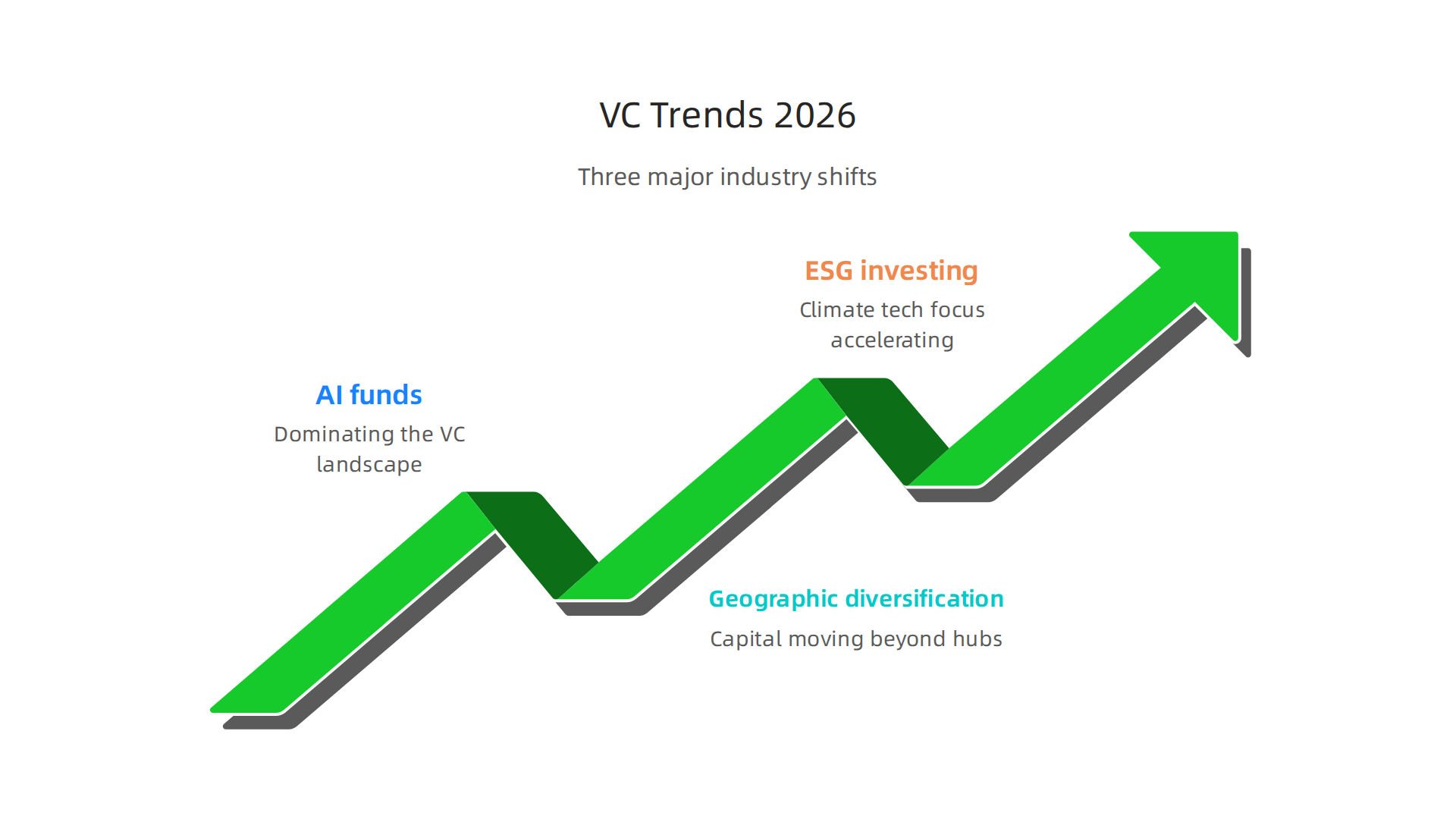
AI-focused funds dominate the landscape. Venture capital is pouring into artificial intelligence at an unprecedented rate. According to the Venture Capital Trends 2026: The Bifurcated VC Market report, 33% of all US VC dollars in 2025 went to the top 1% of companies, most of which were AI-driven. This concentration means firms like Trive Capital must find smart niches where they can add value beyond just following the AI hype.
Geographic diversification and ESG investing are accelerating together. Capital is moving beyond traditional hubs, and climate tech is a major reason why. The Corporate Venture Capital: 5 Strategic Goals & 2026 Trends guide notes that US-based CVCs have dropped domestic concentration from over 80% to around 60%. At the same time, an estimated 35% of 2026 CVC deals target climate-aligned startups. For data-driven firms like Trive, these trends create opportunities to apply their analytical rigor in new regions and sectors.
Understanding these macro trends helps you position your startup for the right type of investor. For a deeper dive, read our guide on how corporate venture capital is the new power broker in startup funding.
Strategies to Engage with VC and Investor Groups
You know the big trends now. But knowing them is only half the battle. The real work starts when you actually reach out to investors like Trive Capital. Here are three practical strategies that work in 2026.
Do your homework before you send a single email. Research each firm’s portfolio, stage focus, and past deals. A firm like Bain Capital Ventures looks for different things than Shore Capital Partners. If you understand that, you can avoid wasting everyone’s time. Check out our guide on specialized funding solutions for startups to see how to match your business to the right investor type.
Warm introductions beat cold emails every time. The data proves it. According to the 2026 Venture Outlook on warm introductions, building relationships with a small set of established firms matters more than broad outreach. Ask your network for intros. One strong reference from a founder or advisor they trust can open doors that would otherwise stay shut.
Tailor your pitch to each investor’s specific thesis. A firm like HLM Investment Partners has a clear focus. So do Cornerstone Companies and Trive Capital. Show them you understand exactly where you fit in their strategy. Use their language, reference their portfolio companies, and explain why your startup is the missing piece in their puzzle.
To stay on top of the AI and tech trends that investors care about most, sign up for The AI Newsletter Worth Reading. It gives you daily insights that help you sound informed and prepared when you sit down with any VC group.
Building a Targeted Investor List
Not all investors are a good fit for your startup. Sending your deck to every firm you find is a waste of time. You need a focused list that matches your stage, sector, and growth plans. Here’s how to build one that actually works.
Use data tools to filter by sector and stage. Platforms like PitchBook or Crunchbase let you search for investors who fund companies at your exact point in the journey. For example, if you’re raising a seed round, you want firms and syndicates that specialize there rather than late-stage shops. The SEC explains that different investor types target different stages, so knowing the fit is critical.
Create a tiered list based on alignment and relationship potential. Separate your targets into three groups. Tier one: firms with a clear focus on your industry and a history of funding similar companies. Tier two: investors who might be interested but need more education. Tier three: long shots you can revisit later. For inspiration, look at firms like Trive Capital or Bain Capital Ventures to understand what each tier looks like for your space.
Track every interaction systematically. Use a simple spreadsheet or CRM to log when you sent an email, who replied, and what the next step is. This keeps you from losing momentum. For deeper guidance on this process, check out our article on seed enterprise investment in 2026.
A targeted list saves you time and increases your chances of a yes. Build it carefully, and update it often.
Crafting an Effective Pitch
Once your targeted list is in place, the next step is building a pitch that stands out. Investors see hundreds of decks every year. Yours needs to grab their attention fast.
Start with the problem, your solution, and the market opportunity. Every good pitch opens with a real problem people face. Show you understand it deeply. Then explain how your product solves it. Prove there is a large enough market to make it worth their time. As Trive Capital’s investment criteria show, they seek businesses with strong strategic viability and transformational upside. Firms like Shore Capital Partners and HLM Investment Partners focus on similar qualities.
Include clear financial projections and a specific use of funds. Investors want to know how you plan to spend their money and what results you expect. Show realistic numbers for three to five years. Break down exactly how much goes to product development, marketing, and hiring. This is where firms like Cornerstone Companies look for discipline.
**Practice storytelling to make your pitch memorable.

** Facts matter, but stories stick. Frame your journey to connect emotionally. Talk about why you started the company and the turning points. A good narrative helps investors remember you. For deeper guidance, check out our article on specialized funding solutions for startups in 2026.
Keep your deck clean and focused. Aim for ten to twelve slides. And always end with a clear ask. Want to stay on top of the tech trends that shape investor decisions? Subscribe to The AI Newsletter Worth Reading to get daily AI updates that help you pitch smarter.
The Future of Investor Groups
The way investor groups operate is changing fast. What works today might look different next year. If you are raising capital in 2026, understanding these shifts helps you plan smarter.
Technology is helping smaller groups co-invest more efficiently. In the past, only large funds could lead big rounds. Now, platforms let smaller firms like Trive Capital and Bain Capital Ventures join forces with niche investors. They share deal flow, split due diligence costs, and move faster together. This means more options for founders who do not fit the typical profile. The venture capital investment market is projected to hit $910.6 billion by 2030, according to the Venture Capital Investment Market Report 2026. That growth pulls in new players every quarter.
Regulatory changes may affect how these groups operate. Governments are looking at tax rules, cross-border investment limits, and how funds qualify for incentives. Any shift can change which types of investors stay active. For example, groups that rely heavily on foreign capital might need to adjust their structures. Founders should pay attention to policy updates that affect their target investors.
Revenue-based financing is rising as a real alternative. More startups now choose to trade a percentage of future revenue instead of giving up equity. This model appeals to firms like Shore Capital Partners and HLM Investment Partners that want to see steady cash flow. It also helps founders keep more control. Investor groups are adding this option to their toolkits to attract a wider range of companies.
The future of investor groups is more flexible, tech-driven, and diverse. Startups that stay informed about these trends position themselves to raise capital from the right partners. To dive deeper into one major shift, check out our breakdown of corporate venture capital and how it is reshaping startup funding.
Common Mistakes in VC Engagement
Raising capital from groups like Trive Capital or Bain Capital Ventures can open big doors. But many founders stumble on a few basic mistakes. Avoiding these will save you time and keep doors open.
Pitching to investors who do not match your stage or sector. Every firm has a clear focus. For example, Trive Capital looks for middle-market companies with $40 million to $1.5 billion in revenue, as listed in their investment strategy and criteria. If your startup is pre-revenue or in a different industry, approaching them wastes everyone’s time. Do your homework first.
Overlooking the importance of traction and metrics. Investors in 2026 want proof, not promises. The latest Private Equity Report highlights that firms now prioritize operational value creation and data-driven performance. If you cannot show clear numbers on revenue growth, customer retention, or unit economics, your pitch will fall flat.
Failing to follow up properly or burning bridges. Even after a "no," leave the door open. Send a polite thank-you note and share updates on your progress. You never know when that same partner might invest in a later round. A burned bridge can cost you referrals and future connections.
To avoid these mistakes, stay sharp on market trends. Consider subscribing to The AI Newsletter Worth Reading for daily tech updates that help you understand what investors care about right now. Also, check out this guide on the critical difference between venture capital and private equity so you always pitch the right audience.
Networking with Investor Groups
Once you know which firms match your stage and sector, the next step is getting on their radar. The best way to do that is through focused networking.
Attend industry events and demo days. These are where partners from firms like Trive Capital and Bain Capital Ventures scout for new deals. In 2026, the VC landscape is more selective than ever. According to the venture capital outlook for 2026, investors are focusing on fewer, higher-conviction bets. So you need to make every interaction count. Bring a sharp pitch, know your numbers, and ask smart questions.
Use LinkedIn and online communities the right way. Do not just send cold connection requests with a pitch. Instead, share valuable content about your space, comment on investors’ posts, and start conversations. Build a reputation before you ask for a meeting.
Build genuine relationships first. The goal is not to get an immediate check. It is to become a familiar, trusted name. For example, if you are targeting Shore Capital Partners or HLM Investment Partners, start by following their portfolio companies and learning what makes them say yes. For deeper strategies on connecting with corporate investors, check out this guide on corporate venture capital is the new power broker in startup funding.
The more you invest in real relationships, the warmer your introduction will be.
Summary
This article explains Trive Capital’s place in the broader fundraising landscape and shows founders how to pick the right investor for their stage. It contrasts Trive’s middle‑market, hands‑on private equity approach with earlier‑stage venture capital, breaks down investor groups (angels, syndicates, VCs), and explains why matching stage and thesis matters. You’ll get practical steps to build a tiered investor list, craft a concise pitch, and use warm introductions rather than cold outreach. The piece also reviews major 2026 trends—AI concentration, geographic diversification, corporate venture capital, and revenue‑based finance—and highlights common mistakes founders make when fundraising. After reading, you’ll know which investor types to target, how to tailor your pitch, and how to avoid wasted effort so you can raise capital more efficiently.