
Why regional tech hubs still matter for fundraising — and what founders need to know
In 2026, the world of tech startups is bigger than ever. You might think that funding for new ideas now comes from all over the globe, and you would be right. Cities far from the well-known tech spots are growing fast, turning into new centers of smart people and big money. Even with this big change, the original powerhouse still holds a lot of sway.
Silicon Valley startups continue to be a very important part of the tech world. It is a place known for big ideas and even bigger investments. Many investors in California still look to this area first. But, things are not as simple as they used to be. Other places like eastern tech hubs and southwest tech hubs are growing strong. They offer different benefits for new companies looking for money to grow.
This shift means that founders and investors need to think carefully about where they set up shop. It is no longer just about being in one famous place. New venture builder USA programs are popping up everywhere. These programs help new companies get started, connecting them with smart people and funding. Choosing the right spot can make a big difference in how much money a startup can raise and how fast it can grow.

This article will help you understand this changing world. We will compare different tech hubs and give you clear advice. This will be a practical guide for both founders who are looking for money and investors who are looking for the next big idea. We want to show you how to pick the best place for your startup fundraising and why regional hubs are still so important. You can also explore more about how to pick the best hub for your startup fundraising in our detailed guide.
Staying updated on the latest trends and shifts in the tech world is key. From the growth of new regional hubs to the always-changing landscape of funding, having the right information can give you an edge.
Get clear daily AI updates from The AI Newsletter Worth Reading.
Overview of Regional Tech Hubs: Why location still matters in 2026
Even with all the changes, the idea of a "tech hub" is still very important in 2026. A tech hub is more than just a city with a few tech companies. Think of it as a special place where all the right ingredients come together for new businesses to grow fast.
What makes a place a true tech hub? It has four main parts:
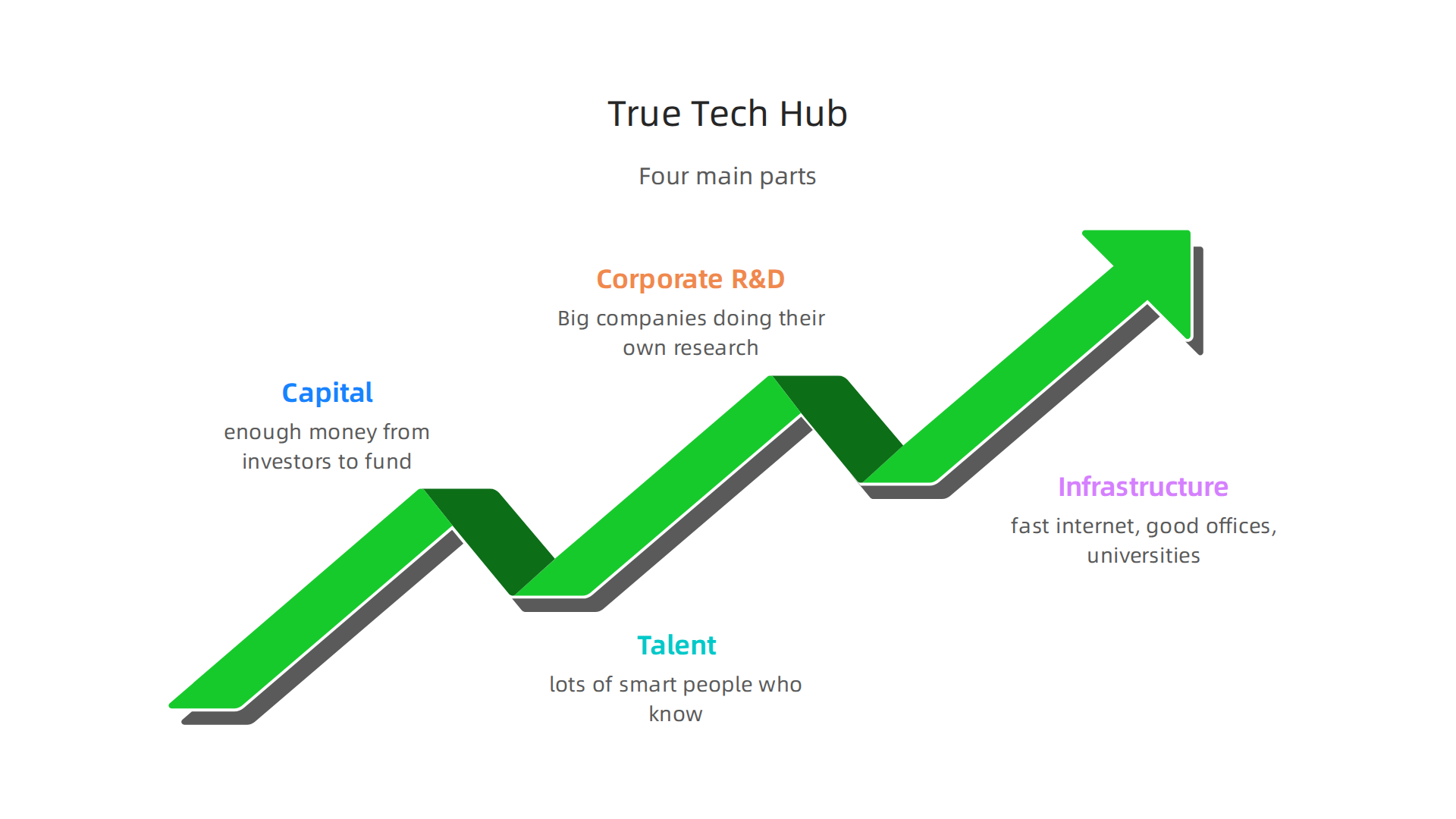
- Capital: This means having enough money from investors to fund new ideas. It’s about how much money is available for
silicon valley startupsand other new companies. - Talent: A hub needs lots of smart people who know about technology. This includes engineers, designers, and business thinkers who can build and run successful companies.
- Corporate R&D: Big companies doing their own research and development in the area helps a lot. It creates new ideas and skilled workers.
- Infrastructure: This is like the city’s backbone. It includes fast internet, good offices, universities that teach tech skills, and even helpful government rules.
While Silicon Valley startups and the investors in California still lead in many ways, the global picture is getting more colorful. Recent reports show that while big hubs like Silicon Valley, New York City, and London remain at the top, other cities around the world are quickly rising in the ranks of top startup ecosystems The Global Startup Ecosystem Report 2026. For example, Mumbai has even entered the top emerging startup ecosystems globally this year The Global Startup Ecosystem Report 2026.
Several big changes are making these regional hubs more attractive:
- Remote Work is Normal: Many people now work from anywhere, not just the office. This means companies don’t always need to be in the most expensive cities to find great people.
- Local Help and Money: Local governments are working hard to bring tech companies to their areas. They offer special deals, tax breaks, and programs to help startups. Countries like India, through initiatives like the States’ Startup Ranking Framework, actively encourage the growth of local startup ecosystems Result – Startup India. This helps new
venture builder usaprograms get started. - Specialized Focus: Some regions become very good at specific types of tech. For example, some
eastern techhubs might focus on AI, whilesouthwest techhubs might specialize in cybersecurity or gaming. This allows them to create strong, focused communities that attract the right kind of talent and investors. You can learn more about the leading businesses and trends in these regions by exploring IT Companies in USA 2026: The Market Leaders, Tech Hubs, and Trends Shaping the Industry.
These changes mean that a startup’s location isn’t just about being in the biggest, most famous city. It’s about finding the place where all the pieces fit best for your specific company, giving you the best chance to get funding and grow.
Silicon Valley Startups: The Current Investment Landscape and What Still Sets the Region Apart
Even as other places grow their tech scenes, Silicon Valley continues to be a powerful hub for startups and innovation in 2026. This region, also known as the Bay Area, keeps its top spot for a few important reasons. It has a very dense network of investors, a large pool of experienced tech talent, strong ties to big corporate partners, and a huge amount of money ready to be invested. These core strengths mean that many silicon valley startups still find it the best place to launch and expand.
In the first quarter of 2026, the Bay Area alone saw a massive $221.1 billion in deal value across 669 deals. This highlights just how much capital is available here compared to other regions Q1-2026-PitchBook-NVCA-Venture-Monitor.pdf. In fact, California received about 60% of all venture capital in the U.S. in 2025, showing its leading role in funding new ideas 2026 NVCA Yearbook.
When we look at what kinds of companies investors in California are putting their money into, there’s a clear focus. Big money is flowing into areas like artificial intelligence (AI), financial technology (fintech), climate tech, health and life sciences, and deep tech. Investors are especially interested in businesses that have a clear plan for making money.
Another key trend is that investors are now making fewer but larger bets. This means they are putting more money into companies they truly believe in, leading to bigger deal sizes for successful silicon valley startups. For example, the typical (median) funding round for Series A startups focused on AI grew to $22 million in the first quarter of 2026, up from $15 million in 2025 INNOVATION ECONOMY Startup Insights H1 2026. This trend also applies to eastern tech and southwest tech hubs, but Silicon Valley remains a leader in the sheer volume of capital.
While other regions are growing, Silicon Valley’s unique mix of capital, talent, and deep industry connections still makes it a top choice for many ambitious founders.

If you’re comparing different places for your company, understanding these leading venture builder usa ecosystems is vital. You can learn more about how to choose the right place for your business by looking into World Tech Centers 2026: How to Pick the Best Hub for Your Startup Fundraising.
Staying on top of these fast changes in the tech world is key. For a helpful way to keep track, consider checking out The AI Newsletter Worth Reading for clear daily updates on AI and technology.
Even though Silicon Valley is a powerful place for new companies, it’s important to know about other big tech spots around the world in 2026. These places offer different advantages for founders, depending on what kind of business they are building.
New York City, London, and Berlin are still top players in the global startup scene. In fact, reports show that these cities, along with Silicon Valley, hold their spots among the top global startup ecosystems Global Startup Ecosystem Ranking 2026 Top 40. Each of these hubs has its own special feel and strengths.
New York City: A Hub for "Eastern Tech"
New York City is a strong center for "eastern tech" and is a major rival to California. It’s especially good for startups focused on finance, media, and creative technologies. If your company works in fintech or needs close ties to big advertising and media companies, New York City might be a great fit. Its investors are often keen on businesses that can quickly serve the large East Coast market.
London and Berlin: European Powerhouses
Across the ocean, London continues to be a leading tech hub in Europe. It’s known for fintech and artificial intelligence companies. Many startups choose London for its access to European markets and a diverse pool of talent.
Berlin is another exciting city for new companies in Europe. It’s often a good choice for SaaS (software as a service) and creative tech businesses. Berlin offers a different kind of vibe, sometimes with lower costs than London, and is excellent for reaching other parts of continental Europe. The investors here look for strong B2B software solutions and deep tech ideas.
Singapore and Emerging Asian Hubs
Singapore is quickly becoming a major tech hub in Asia. It’s a fantastic place for deep tech startups and those looking to enter Asian markets. The government there often supports new ideas, making it easier for companies to grow. Plus, other cities like Mumbai are now being recognized as top emerging startup ecosystems globally, showing how diverse the tech world is becoming The Global Startup Ecosystem Report 2026.
When thinking about where to launch your company, it’s important to look at what each hub offers. Consider:
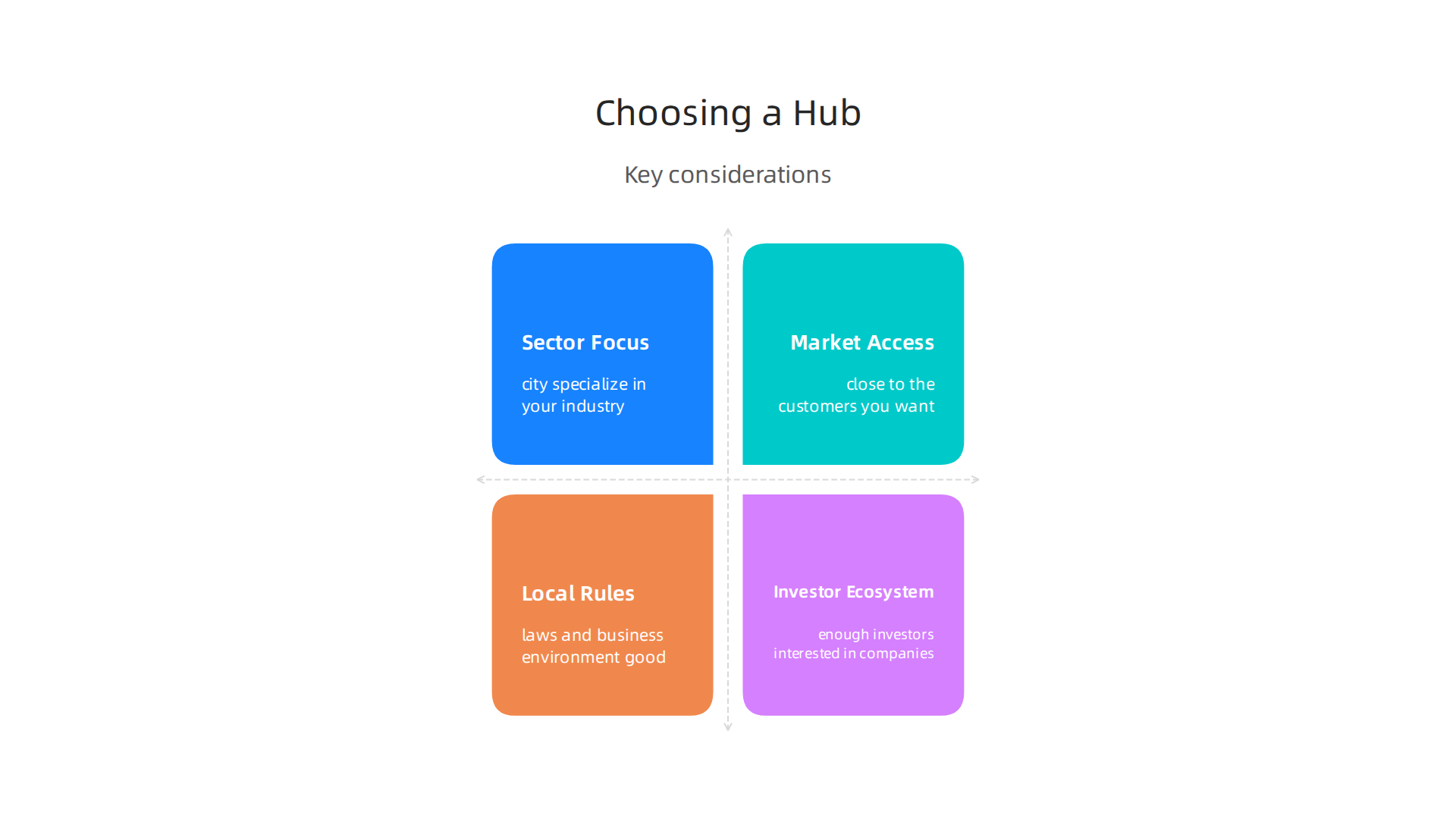
- Sector focus: Does the city specialize in your industry (e.g., fintech in NYC, AI in Silicon Valley)?
- Market access: Is it close to the customers you want to reach?
- Local rules: Are the laws and business environment good for your type of startup?
- Investor ecosystem: Are there enough investors interested in companies like yours?
Choosing the right location can make a big difference for your startup’s success. It’s about finding the best match for your company’s stage and goals. You can explore more about IT Companies in USA 2026: Market Leaders, Tech Hubs, and Trends to understand domestic trends as well.
Comparative VC Terms and Valuation Practices by Region
Finding the right location for your startup isn’t just about customers and talent. It’s also about the kind of money deals you can get. Different tech hubs around the world have their own ways of doing things when it comes to how much a company is worth and what terms investors ask for. These venture capital (VC) terms and valuation practices can change a lot depending on where you are.
In 2026, the overall picture for venture capital shows that while less deals are happening, the total money invested is still very high, especially for big bets. For example, the total money invested globally in Q1 2026 surged, with North America getting a huge share. This means investors are putting more money into fewer, larger companies VC Benchmark Q1 2026. Much of this capital is flowing into areas like AI.
What to Expect in the US: Silicon Valley, Eastern Tech, and Beyond
When it comes to silicon valley startups and other major US tech hubs, founders often see strong valuations. For instance, in Q1 2026, pre-money valuations (how much a company is worth before new investment) kept going up, driven by big AI deals Venture Capital Industry Update – Q1 2026. For a Series A funding round, the average pre-money valuation was around $49 million, with Series B at $119 million and Series C at $200 million 2026 VC Revenue & Valuation Benchmarks for Series A, B, ….
However, what investors in California and other US regions ask for in their term sheets has become more balanced in 2026. After a time where founders had a lot of power, the rules have shifted back. Investors are now more often asking for standard protective rules and ways to get their money back. For example, a common rule is a "1x liquidation preference" that is non-participating. This means if the company sells, investors get their initial money back first, but they don’t also get a share of the remaining profits like other owners HSBC Innovation Banking Term Sheet U.S. Financings Guide. This kind of term sheet structure helps make sure the deal is straightforward.
For eastern tech hubs like New York City, or southwest tech centers, the basic terms are often similar to Silicon Valley. However, the type of investor and their specific focus might differ. Some investors might be more focused on quick returns from mature markets, while others may be more comfortable with riskier, longer-term bets. If you are a venture builder usa based, understanding these regional differences is key.
European Market Terms
In Europe, especially in places like the UK, the funding environment also shows changes. While early-stage deals can be tougher, larger, later-stage companies are seeing more founder-friendly terms because there’s more competition among investors for these successful businesses UK VC Investment Shows Divergence In Early and Late Stage Deals. This means that companies with strong performance might get better deals, similar to top silicon valley startups.
What’s Negotiable and What’s Standard?
Founders should know that some parts of a term sheet are pretty standard and hard to change, like that 1x non-participating liquidation preference. But other things, like the valuation itself, board seats, and certain protective rules, can be talked about more. It’s crucial to focus on the terms that matter most to your company’s future and to have a good legal team review everything. Being informed about these differences helps you make smarter decisions and attracts the right kind of investment.
For more in-depth insights into the technology market and investor trends that impact these decisions daily, consider getting The AI Newsletter Worth Reading. It provides clear daily AI updates and broader tech market intelligence. You can also learn more about how to choose the right financial partners by reading about how to choose private equity investment companies for your startup.
When you are a founder trying to get money for your startup, picking the right place is a big deal. It’s not just about finding a nice city. It’s about matching your business with the best place to find investors and grow. Here is a simple plan to help you choose.
Think About Your Product and Market
First, think about what your company does and who your customers are.
- Enterprise Software (SaaS): If you sell software to big businesses, places like Silicon Valley or New York City are often good. They have many large companies that might use your product and many investors who understand this kind of business. Silicon Valley is still a top hub for startups in 2026, known for its strong tech focus The Global Startup Ecosystem Report 2026.
- Consumer Apps: If you make apps for everyday people, you might find support in cities with a lot of young, tech-savvy users. While silicon valley startups are famous, other hubs are growing fast. For example, Mumbai is an emerging startup ecosystem in 2026 The Global Startup Ecosystem Report 2026.
- Deep Tech (AI, Biotech): For really new and complex technology, you need places with strong research and development. Boston and some eastern tech areas are great for biotech. For AI, many cities are now rising because AI is changing the global startup race AI-native startups are rewriting who wins the global startup race.
Find the Right Investors
Different places have different kinds of investors in California and other hubs. You want investors who understand your business and are excited about what you do.
- Specialized Investors: Look for hubs where investors focus on your specific type of tech. This makes it easier to get their attention. A good pitch starts with knowing your audience How Startup Founders Can Raise Venture Capital in 2026.
- Investment Size: Some regions are known for bigger investments, while others are better for smaller, early-stage funding. Know what kind of money you need.
Consider the Cost of Talent
Building a great team is important. The cost of hiring talented people can change a lot from one city to another.
- High-Cost Hubs: Places like Silicon Valley or New York City have lots of skilled workers, but they are very expensive.
- Lower-Cost Hubs: Many up-and-coming tech hubs, including some southwest tech cities, offer great talent at a lower cost. This can help your startup’s money last longer.
Understand the Rules and Timing
Every region has its own rules and ways of doing business. It’s good to know what to expect.
- Local Support: Some governments actively help startups with special programs. India, for instance, has a strong framework to support its startup ecosystem Result – Startup India.
- Market Timing: Is the market hot for your type of business in a certain area right now? Good timing can make fundraising much easier.
Choosing your fundraising hub is a big choice for any venture builder usa based or globally. By thinking about these points, you can make a smarter decision for your startup’s future. For more insights on picking the best place to find startup funding, read our guide on world tech centers 2026 how to pick the best hub for your startup fundraising.
After you have chosen the best place for your startup, the next big step is talking to investors.

It’s like going on a special job interview for your business. You need to know how to reach out, what to say, and how to talk about money. This guide will help you with those important steps across different regions.
Actionable playbook: approaching investors across regions (pitch, outreach, and negotiation)
Getting ready to meet investors means you need to prepare well. Think about it like this: your startup needs a clear story and all your papers in order.
Getting Ready to Reach Out
First, you need to get your story straight. Investors want to hear a specific, strong story about your company. It should show why your product is special and how it will make money, but also be believable The 2026 Founder’s Playbook: Raising Capital in a High-Conviction Market. You will need a strong plan for what you will do with the money you raise, typically for the next 18 to 24 months Startup Fundraising Strategy in 2026: The 6 Decisions That ….
Here’s what else to prepare:
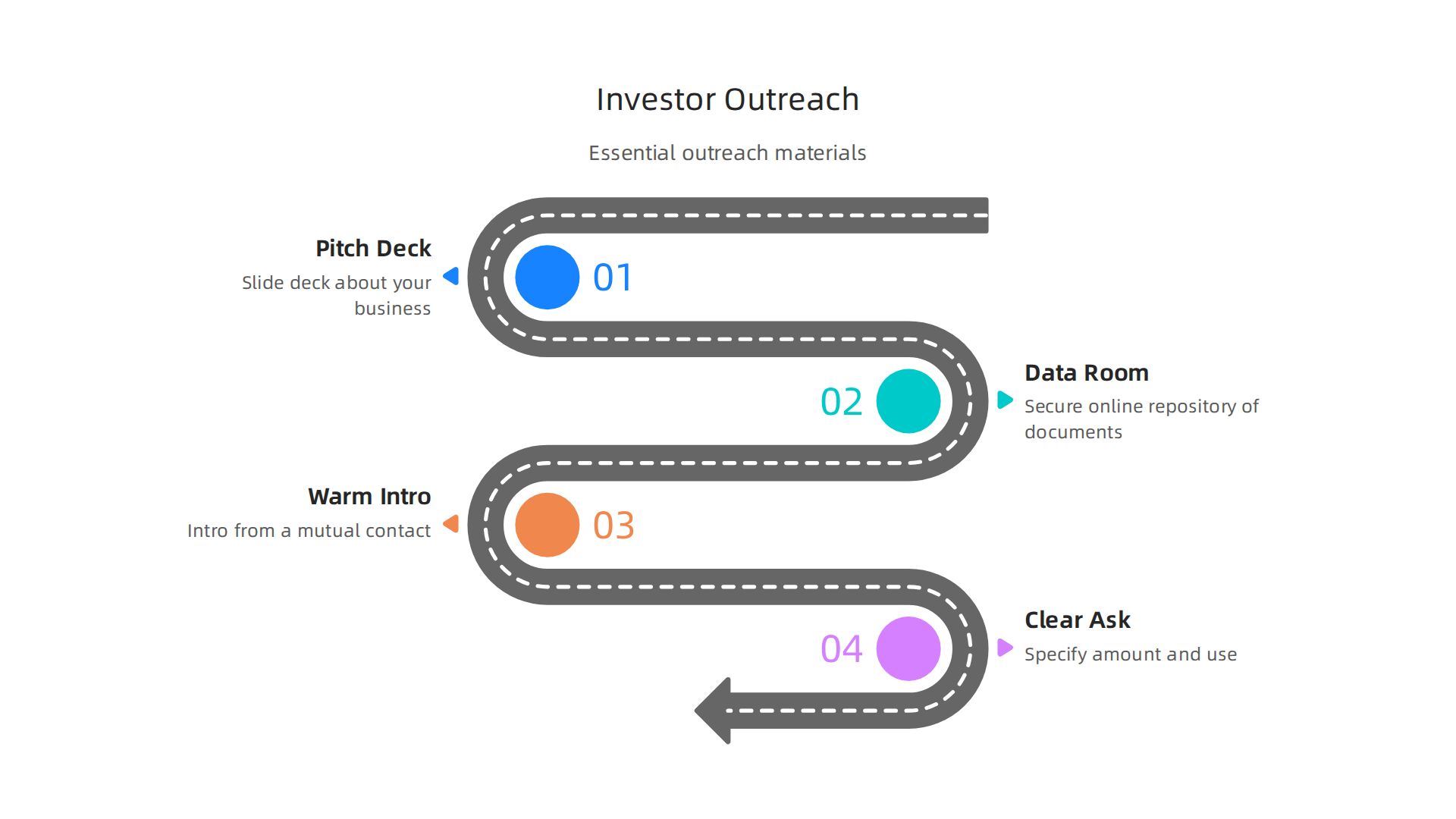
- Your Pitch Deck: This is like a slide show about your business. It tells your story, shows your product, and explains your team.
- Data Room: This is a safe place online where you keep all your important papers like financial records, customer lists, and legal documents. Have it ready before you start talking to investors Raising Capital in 2026: The Playbook.
- Warm Introductions: Try to get someone who knows the investor to introduce you. This is much better than just sending a cold email.
- Be Clear on Your Ask: Always be upfront about how much money you want to raise and what you plan to do with it Fundraising Tactics That Actually Work in 2026.
It is also important to show that you have tested your ideas and learned from what did not work. Investors want to see real progress startup funding and the 2026 funding crunch, what founders must do ….
Tailoring Your Pitch to Different Regions
Investors in different places might care about different things. For example:
- Silicon Valley: Investors here often look for big, new ideas that can change the world, even if they seem risky at first. They are used to very fast growth.
- Investors in California might be focused on how quickly you can scale up your technology.
- Eastern Tech investors might value a clear path to profit and a strong business model, especially for biotech or enterprise software. They may also focus more on your team’s experience.
Always adjust your pitch to what you know about the investors in that area. For more tips on crafting your message, check out our guide on master framing tech for startup fundraising success.
Talking About the Deal and Due Diligence
Once investors are interested, you will start talking about the details of the deal. This is called negotiation.
- Pitch to Many: It’s a good idea to talk to many investors at the same time. This can create a sense of interest and help you get a better deal How to Raise Capital for a Startup in 2026.
- Know Your Value: Understand what your company is worth. This helps you set a fair target for how much of your company you are willing to give up for the investment.
- Due Diligence: Investors will want to look closely at your data room. This is where they check all your claims. Having everything organized and ready makes this process smoother.
To stay smart about the wider tech market, including new trends that could affect your startup, consider signing up for a specialized newsletter. Get clear daily AI updates from The AI Newsletter Worth Reading.
Crafting a region-aware pitch deck and outreach sequence
Now that you know investors in different places look for different things, it is time to make your pitch deck and how you reach out fit those differences perfectly. This means thinking about what numbers and story parts will impress investors in each region the most.
For example, when talking to Silicon Valley startups or other investors in California, they often get excited about ideas that can grow very, very big and change many lives. They want to see how fast your customer base is growing and how much people love your product. They are especially keen on startups in areas like AI, finance tech, climate solutions, health, and deep tech, especially if there is a clear way to make money later on VC Term Sheet Guide 2026 Market Benchmarks.
If your startup is looking at Eastern Tech investors, they might focus more on how strong your business plan is and how you will make money right away. They also value your team’s experience. For areas like Southwest Tech, investors might look for a mix of solid business plans and growth potential, often with an eye on local industries like defense or specific types of software. Knowing these differences helps you decide which parts of your company’s story to highlight. To understand more about what kinds of companies attract which investors, consider learning about Tech Company Categories 2026: How Founders Can Attract The Right Investors.
After tailoring your pitch, think about your outreach. The best way to reach investors is usually through a warm introduction, meaning someone they know introduces you. After your first meeting, send a polite thank-you message within 24 hours. Then, plan to send short, useful updates every 2 to 4 weeks, even if it is just to share a small win or progress. This keeps them thinking about your startup without being annoying. Whether you are working with a venture builder USA or doing it on your own, a thoughtful and planned outreach helps a lot. Picking the right place to find investors is also very important, and you can learn more about this in our guide on World Tech Centers 2026: How to Pick the Best Hub for Your Startup Fundraising.
Handling term negotiation and closing across time zones and legal regimes
After you have impressed investors with your pitch, the next big step is to make sure the deal actually closes. This can get tricky when you are working with investors from different parts of the world. What might seem normal for a Silicon Valley startup can be very different for Eastern Tech investors or those in Europe.
One of the biggest hurdles is understanding different legal rules. Every country has its own laws about how businesses are set up, how money changes hands, and who owns what. For example, intellectual property laws vary greatly, and you will need to protect your ideas no matter where your investors are located. This often means getting legal help that knows about both your local laws and the laws where your investor is based. If you are dealing with investors in California or a venture builder USA, their legal framework is usually similar, but crossing borders adds complexity. The global startup ecosystem is always changing, so knowing these differences is key Global Startup Ecosystem 2026 Report | StartUs Insights.
Another challenge is logistics, like time zones. Scheduling calls and meetings can be tough when some people are just starting their day and others are ready to go home. Clear communication becomes even more important.
Here is a quick checklist for closing deals with international investors:
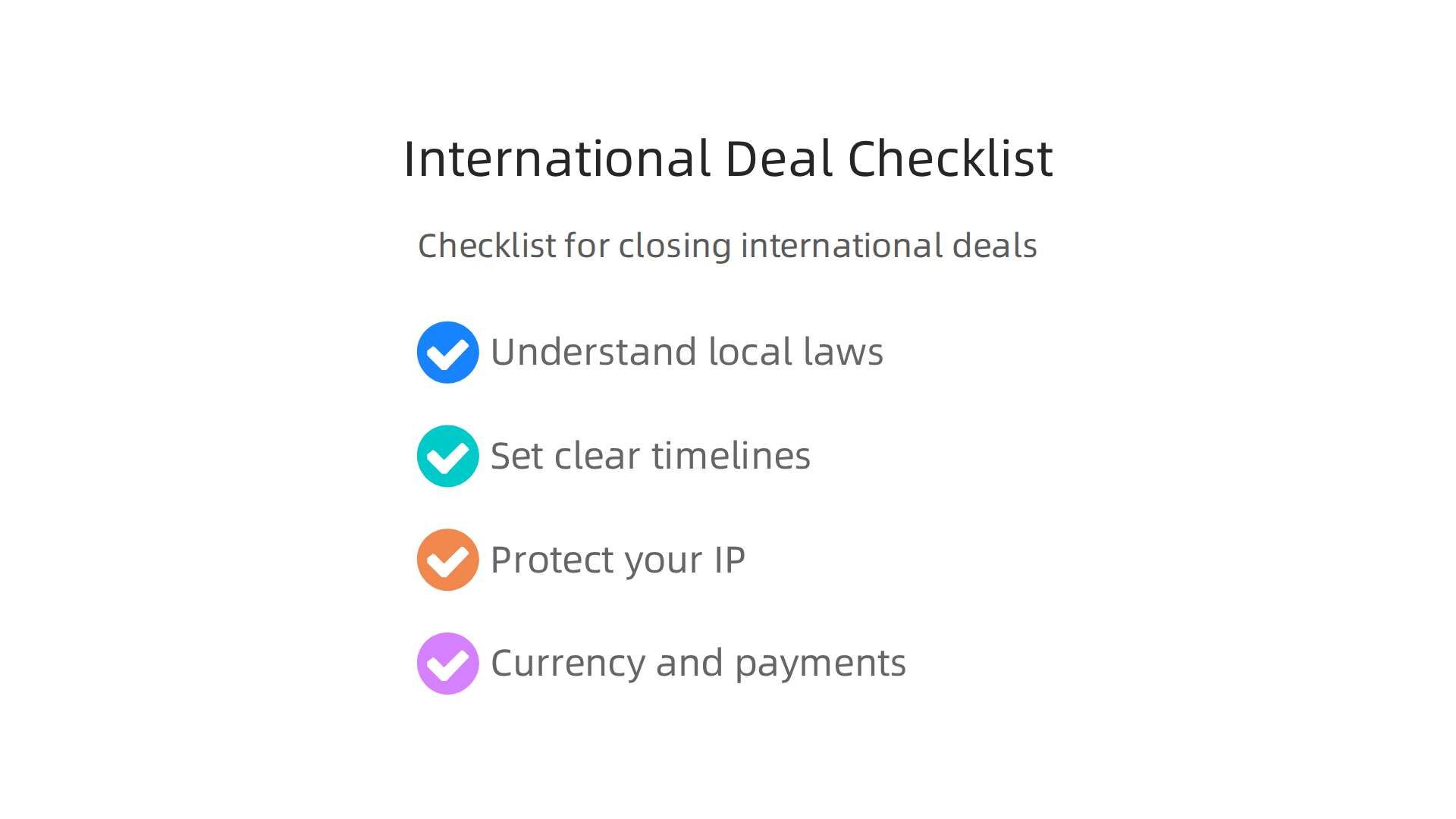
- Understand local laws: Get advice from lawyers who specialize in international deals.
- Set clear timelines: Agree on when things will happen, from signing papers to getting money.
- Protect your IP: Make sure your company’s valuable ideas are legally safe everywhere. To learn more about this, check out our guide on how a Technology Depository Agency Secures Your IP And Attracts Investors.
- Currency and payments: Understand how money will be sent and received, accounting for different currencies.
Staying on top of these details helps you close deals smoothly, even with partners far away.
Get clear daily AI updates from The AI Newsletter Worth Reading.
Summary
This article explains why regional tech hubs remain critical for startup fundraising in 2026 and shows founders how to choose the best place to raise capital. It defines what makes a true tech hub—capital, talent, corporate R&D and infrastructure—and contrasts Silicon Valley’s continuing dominance with the rapid rise of eastern, southwest and global hubs like New York, London, Berlin, Singapore and Mumbai. You’ll learn how regional investor preferences and VC terms (valuations, liquidation preferences, deal size) differ, why sector fit and local rules matter, and how cost of talent affects runway. The piece offers a practical playbook: prepare a clear pitch deck and data room, target the right investors, use warm introductions, tailor outreach by region, and handle cross-border legal, IP and timing issues. By the end you’ll know how to compare hubs for your business, improve fundraising odds, and close deals more smoothly across regions.