
Introduction – Why fund selection and US capital dynamics matter now
For anyone starting a business, finding money to grow can feel like a big puzzle.

It’s not just about getting any money; it’s about getting the right money from the right people or groups. In 2026, the world of startup funding in the US is moving very fast. This makes choosing the best funds and understanding how capital works even more important for your business to succeed.
Imagine you need to attract a big investor like Spark Capital One. You need to know what they look for and how they make choices. It’s important to know that in 2025, venture capital deals in the US totaled billions of dollars, with early-stage companies alone securing over $70 billion across more than 5,000 deals 2026 NVCA Yearbook. This shows there’s a lot of money out there, but also a lot of competition. You need a clear plan to stand out.
This guide is your roadmap. It will help you understand the different kinds of funds available, from venture capital groups like LGT Capital Partners or AP Capital USA to other financial partners like Echelon Partners USA. We’ll show you how investors think, what they look for in a startup, and important tips for talking about money and deals. You’ll learn the practical steps to make your fundraising journey smoother and help your business grow. To learn even more about how to get money for your business, check out the founders guide to securing startup capital in 2026. If you’re specifically curious about a well-known name, you can also explore the Capital One Ventures profile for founders and investors.
Staying informed about new technologies like AI is also super important. These trends can change what investors are interested in and how they decide where to put their money.
Get clear daily AI updates from The AI Newsletter Worth Reading.
1) Venture capital fund types and structures – what founders need to know
When you’re looking for money for your startup, it helps to know that not all money groups, or funds, are the same. Each has its own way of working, how much money it likes to give, and what kind of businesses it wants to help. Understanding these differences can really make your search for funding easier.
Venture capital funds usually put money into companies at different stages. Think of it like a ladder, with each step being a different stage of your business.
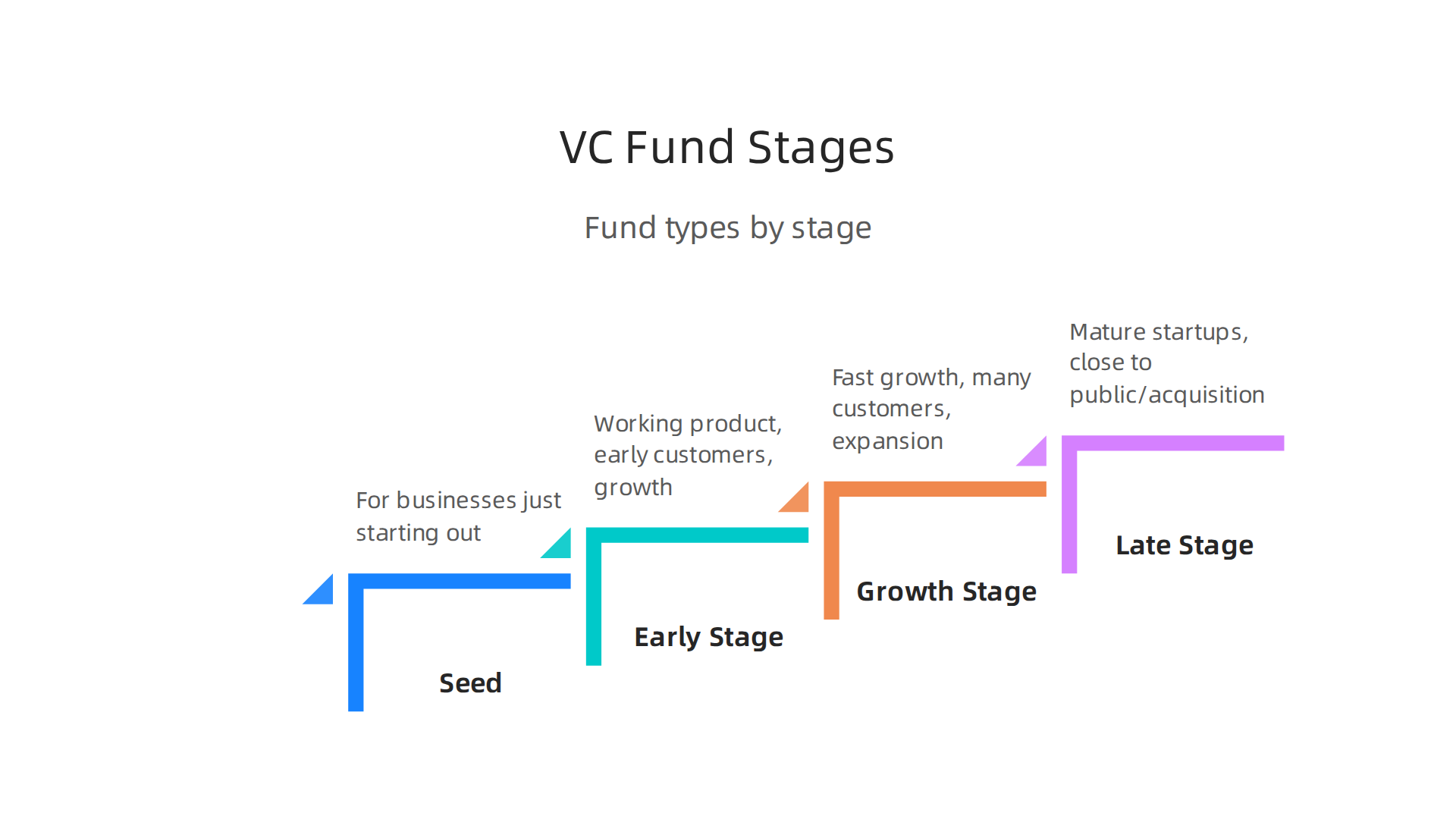
Different Types of Funds for Different Stages
- Micro or Seed Funds: These funds are for businesses just starting out, often before they even have a full product. They usually give smaller amounts of money, sometimes less than a million dollars. They are often very hands-on and help founders get their ideas off the ground.
- Early-Stage VC Funds: These funds, like some investments made by Spark Capital One, step in when a business has a working product and some early customers. They offer bigger checks, often in the millions. Their goal is to help you grow your team and get more users. In the first three months of 2026, the median fund size for these kinds of investments was around $15.3 million Q1 2026 PitchBook-NVCA Venture Monitor.
- Growth-Stage Funds: Once your business is growing fast and has many customers, growth funds can provide even larger sums. They help you expand into new markets or build even bigger products. Funds like LGT Capital Partners or AP Capital USA might look for companies at this stage, focusing on those ready for rapid scaling.
- Late-Stage VC Funds: These are for very mature startups that are close to becoming big public companies or being bought by a larger company. The money amounts here are very large.
Each type of fund has different expectations. A seed fund might expect you to use their money to simply build a product and get your first few users. A growth fund, however, will expect you to use their large investment to scale up quickly and make a big impact in your market.
How Funds Themselves Are Built
It’s also good to know how venture capital funds are put together. These funds are created by people called General Partners (GPs) who raise money from Limited Partners (LPs). LPs are often big groups like pension funds or very rich people.
- Fund Lifecycle: Most funds have a set time they operate, often around 10 years. During this time, they invest in companies, help them grow, and then hope to sell their share of the company for a profit. This means they look for companies that can grow and succeed within their fund’s timeline. You can learn more about this by exploring the dynamics of a VC fund lifecycle.
- Follow-on Reserves: Smart funds keep some money aside to invest more in their best-performing companies later on. This is called "follow-on reserves." It’s a good sign if a fund has these, as it means they can keep supporting you as you grow without needing to find new investors for every funding round.
- Sector Focus: Many funds specialize in certain areas, like health tech, AI, or clean energy. If your business fits what a fund like Echelon Partners USA or a specific Vanguard small cap fund focuses on, you’re more likely to get their attention. Before you approach any investor, make sure your company matches their interests. Understanding these strategies can help you tailor your pitch, as covered in this guide on venture fund strategy.
Knowing these details about fund types and structures helps you find the right partners. It’s about finding money that fits your business stage and goals, and finding investors who truly understand what you do. For a full picture, explore guides on smart capital solutions for every startup funding stage.
2) Where ‘spark capital one’ fits – positioning and signals to watch
Now that we know about different kinds of venture capital funds, let’s think about how a specific fund, like spark capital one, might look at your business. Every fund has its own special likes and dislikes. Knowing these can help you connect with the right investors and get the money you need.
Understanding a Fund’s Focus
Think of venture capital firms as having a "wish list" for the companies they want to support. This list includes the stage of your business, the type of industry you’re in, and the numbers that show your business is doing well. For example, spark capital one, like many other early-stage VC funds, is often looking for companies that already have a product and some customers, but are ready to grow a lot more.
Many funds today choose to focus on certain areas. In 2026, about 89% of funds getting money from big investors had a special sector focus, not just a general one Generalist vs Specialist VC Data Unpacked. So, if your startup is in a hot area like AI or health tech, funds might be especially keen to talk to you. Other funds might be more like lgt capital partners or ap capital usa, looking for growth-stage businesses, or vanguard small cap funds that might have a broader market approach but still specific criteria. Even a firm like echelon partners usa will have a clear idea of what kind of companies fit their portfolio.
To figure out if you’re a good match, you need to be like a detective. Look at what a fund has invested in before. What kind of companies are they? How big were those companies when the fund first invested? This helps you understand their "pattern." For example, founders can check a VC’s three to five most recent investments to see if their stage, industry, and investment size match Match VC Portfolio Patterns: 5 Signals.
What Signals Do Funds Look For?
Funds are looking for certain signs that your business is strong and will grow.
- Your numbers matter: They want to see clear numbers that show how much money you make from customers versus how much it costs to get them. This includes things like how much a customer is worth over time (LTV) compared to how much it costs to get that customer (CAC). Showing a clear path to making a good profit in the next 18 months is very important in 2026 VC Funding Surge 2026: AI and Biotech Lead.
- A strong story: You need a simple, clear story about your company, what problem it solves, and why you are the best team to solve it.

This story goes into your pitch deck. You’ll also need a short summary, like a one-pager, for quick emails to investors Investor Outreach Plan 2026: 8-Week Playbook for Seed & ….
- Market trends: Funds also keep an eye on what’s new and exciting. For example, in 2026, specialized AI and defense tech are very popular investment areas Venture Capital Trends | August, 2026 (STARTUP EDITION). If your company fits into one of these growing trends, it can grab a fund’s attention faster.
How to Approach a Fund
Once you understand a fund’s focus, you can make your approach much better.
- Do your homework: Before you even send an email, learn about the fund and the specific people who work there. Look at their past investments and articles they’ve written. This helps you send a personalized message. To learn more about how a firm like Capital One Ventures operates, you might read a Capital One Ventures profile for founders and investors.
- Tailor your message: Don’t send a general email. Mention specific things, like a recent investment they made or something a partner said. This shows you’ve done your research. A good "cold email" that gets VCs to respond will be very specific about how your company fits their interests Cold Email for VC and Investor Outreach: 2026 Founder Playbook.
- Aim for warm introductions: It’s always best if someone who knows the fund can introduce you. This is much better than sending a cold email.
- Have your materials ready: Make sure your pitch deck, executive summary, and basic financial model are polished and easy to understand.
By researching and tailoring your approach, you show funds like spark capital one that you’re serious and that your company is a smart investment for them. This smart way of seeking funds helps you get the money your startup needs to grow. If you’re looking for more guidance on getting investment, explore this helpful guide on how to get venture capital funding.
Keeping up with changes in the tech world is key for founders.
The AI Newsletter Worth Reading from The Deep View Newsletter gives you clear daily AI updates to stay informed.
Keeping up with changes in the tech world is key for founders. But once you catch a fund’s eye, like a firm such as spark capital one, the real test begins. Venture Capital (VC) firms don’t just look at a cool idea. They dig deep to see if your startup is a solid investment. This deep dive is called "due diligence."
3) How VCs evaluate startups – criteria, signals, and common red flags
VCs like spark capital one, or even larger firms like lgt capital partners and ap capital usa, look at several key things when deciding where to put their money. They want to know you have a great business that can grow really big.
What VCs Look For
Here are the main things investors check:
- The Team: Who is building this company? Investors want to see a strong team with the right skills and experience. They will check your background and even ask for references from past bosses or co-workers. In 2026, VCs often ask for three to five founder references and verify details like LinkedIn history and co-founder agreements VC due diligence checklist 2026: 28-item founder prep. They look at your past jobs and schooling, making sure everything checks out Investment Due Diligence Checklist 2026.
- The Market: Is your idea solving a big problem for many people? VCs want to invest in companies that can serve a large and growing market. Even funds like
vanguard small cap fundsthat have a wider focus still want to see market potential. - Product and Traction: Do you have a product that people use and love? VCs want to see proof that your idea works and that customers are already using it. This includes showing growth in users or sales.
- Defensibility: What makes your company special? Why can’t someone else easily copy what you do? This might be a special technology, a strong brand, or a unique way of doing things.
- Financials: This means your money numbers. VCs look at how much money you make, how much you spend, and how quickly you’re burning through cash. They want to see your monthly profit and loss statements, often for the past year or two VC Due Diligence Checklist: What to Prepare Before Your …. They also want to see your plans for how you’ll make more money in the future. You’ll need documents like your capitalization table (who owns what part of the company) and financial projections Startup Due Diligence Document Checklist: 47 Documents VCs ….
This whole process of checking everything is called "due diligence." It covers many areas like finance, legal, human resources, and even your technology setup Due diligence checklist for venture capital. You’ll need to prepare a lot of documents. For example, investors typically ask for ten core sets of documents including those on company governance, equity, finances, and intellectual property Due-Diligence Dossier —Ten Documents Investors Expect to See ….
Common Red Flags
Sometimes, VCs see things that make them worried. These are called red flags:
- Problems with the Team: If founders disagree often, have unclear roles, or if background checks show issues, it can be a big problem. VCs also check if all founders have agreed on how company ownership is shared and if vesting documents are signed VC due diligence checklist 2026: 28-item founder prep.
- Unclear Numbers: If your financial records are messy, or you can’t clearly explain how you make money and how you plan to grow, it raises a red flag.
- Legal Issues: Any past or ongoing legal problems can scare investors away. This includes making sure your company structure is correct and that you own your ideas (intellectual property) clearly The Comprehensive Due Diligence Checklist for Founders ….
- Not Ready for Scrutiny: If you seem unprepared for their deep questions or can’t provide requested documents quickly, it suggests you might not be ready for a big investment.
Even firms like echelon partners usa will perform thorough checks. To avoid these issues, be honest and have all your papers in order. Being prepared shows you’re serious and trustworthy. To get ready, make sure you have a strong plan and all your paperwork organized. This preparation helps you create your winning funding package.
Once your startup is ready and your documents are in order, the next big step is figuring out which investors to talk to. It’s like finding the right key for a lock. You need to find venture capital (VC) firms that invest in companies like yours.
Finding the Right VC Match
Not all VC firms are the same. They often focus on specific types of companies. You should look for firms that match your:
- Stage: Are you just starting (seed stage), growing (Series A, B), or much bigger? Firms like
vanguard small cap fundsmight look at a range of companies, but many VCs focus on certain stages. - Industry/Sector: Do you work in health tech, AI, software, or something else? In 2026, many funds have a special sector focus, with about 89% of funds having one in the first half of the year Generalist vs Specialist VC Data Unpacked. Current hot sectors include specialized AI, defense tech, and biotech Venture Capital Trends | August, 2026 (STARTUP EDITION).
- Geography: Where is your company located, and where does the VC firm like to invest? A firm like
spark capital onemight have a broad reach, but others, such aslgt capital partnersorap capital usa, might focus on certain regions.
The best way to find a good match is to look at what VCs have invested in before. If their recent deals are similar to your company in terms of stage, sector, and size, they are a good fit. Check their last three to five investments to see if your company fits their pattern Match VC Portfolio Patterns: 5 Signals – SheetVenture.
You can learn more about how VCs choose which startups to back in our guide on venture fund strategy.
Crafting Your Outreach Strategy
Once you have a list of potential investors, you need a plan to reach out to them.
- Warm Introductions are Best: If you can, get someone to introduce you. This is often an advisor, a mentor, or another founder who knows the VC. This makes a much stronger first impression than a cold email. Finding a warm intro through a trusted network is always the preferred method The Investor’s Fundraising Playbook: Raise Your Seed ….
- Smart Cold Outreach: If a warm introduction isn’t possible, a well-thought-out cold email can still work.
- Keep it short: Your first email should be very brief, just 3-4 sentences. It’s not a full pitch Cold Email for VC and Investor Outreach: 2026 Founder Playbook.
- Personalize it: Show you’ve done your homework. Mention something specific about their fund, a recent investment, or a partner’s interest. Avoid generic messages.
- Focus on fit: Quickly explain why your company is a good match for their fund based on their past investments or stated interests.
- Include an executive summary: You should have a short, email-friendly summary that can be read even if your full pitch deck isn’t opened Investor Outreach Plan 2026: 8-Week Playbook for Seed & ….
Follow-Up Like a Pro
Investors are busy, and your first message might get lost. A smart follow-up plan is key:
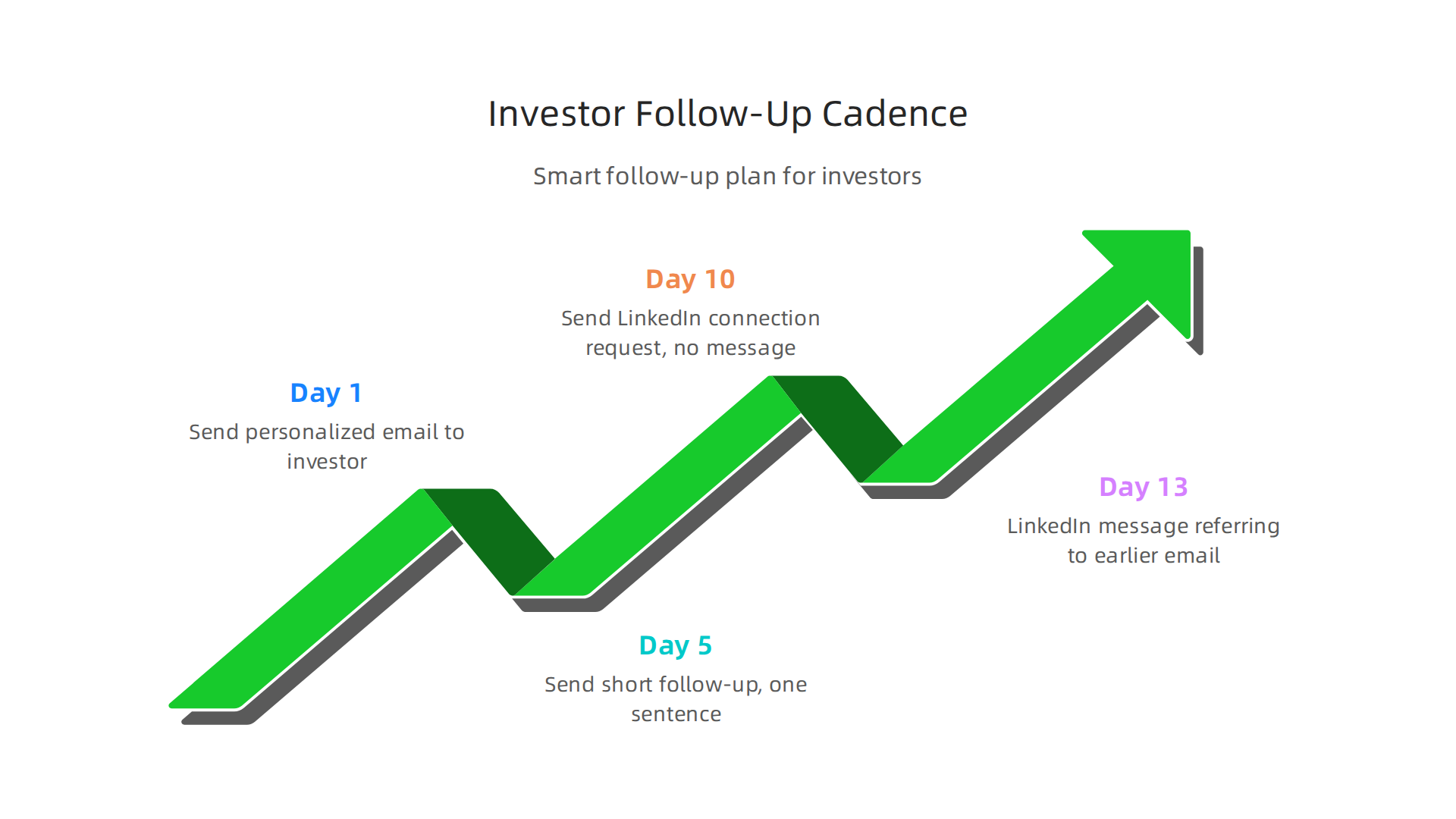
- Day 1: Send your personalized email.
- Day 5: Send a short follow-up, just one sentence, to see if they saw the first email. Offer to send a one-pager if that’s easier.
- Day 10: Send a LinkedIn connection request to the same person without a message.
- Day 13: If they accept, send a LinkedIn message referring to your earlier email 5 Investor Outreach Strategies That Work in 2026 | GIGABOOST.AI.
Remember, it’s better to email one or two contacts at a firm like echelon partners usa or ap capital usa than to blast many people. Sending to too many can actually lower your chances of getting a reply Investor Outreach in 2026: Templates, Cadence & ….
Staying on top of market changes, especially in AI, can give you an edge in these conversations.
Get clear daily AI updates from The AI Newsletter Worth Reading.
Once you’ve caught an investor’s eye, the next big step is getting a "term sheet." Think of a term sheet as a basic plan for the investment. It’s not a final contract, but it outlines the main ideas of a deal between your startup and an investor. It helps both sides agree on the big things before lawyers write up the super detailed papers later on A Comprehensive Guide to Term Sheets.
A good term sheet covers two main kinds of things: money matters and who’s in charge.
Key Economic Terms
These terms tell you how the money part of the deal will work:
- Valuation: This is how much your company is worth right now. It’s a key number because it affects how much of your company you give up for the investment. A higher valuation means you give up less ownership for the same amount of money.
- Dilution: When investors put money into your company, they get a piece of it. This means your share of ownership gets smaller, or "diluted." It’s normal, but you want to make sure you’re not giving up too much too fast. Whether you’re working with a major firm like
spark capital oneor a more focused fund, understanding dilution is critical. - Liquidation Preferences: This is about who gets paid first if your company sells or closes down. Investors often want to get their money back, plus some extra, before founders and other shareholders see any money. This term is very important and can change a lot.
Key Control Terms
These terms decide who has a say in running the company:
- Board Composition: The board of directors makes big decisions for the company. The term sheet will say how many people are on the board and who gets to pick them. Investors, even those from funds like
vanguard small cap fundsorlgt capital partners, usually want some board seats to protect their investment.
Negotiation Essentials for Founders
When you get a term sheet, it’s time to negotiate.

Here’s what to keep in mind:
- Protect Your Ownership: While some dilution is normal, try to keep as much ownership as you can. This lets you have more say in your company’s future.
- Understand Liquidation Preferences: This is often a tricky part. Aim for a deal where you and your team get a fair share if the company sells.
- Keep Control of Your Vision: Make sure you keep enough voting power and board seats to guide your company. You don’t want to lose control of your own startup.
- Get Help: Don’t try to go it alone. Get a lawyer who knows about startup deals to help you understand every part of the term sheet and negotiate for you. This is true whether you’re dealing with
ap capital usaor another investor. You can also explore options to attract and partner with investors in businesses for startup growth through trusted advisors.
Every term sheet is different, but knowing these key parts will help you stand strong. Remember, the goal is a win-win deal that helps your company grow while being fair to everyone. You can learn more about these terms and how they affect your deal in guides like VC Term Sheet Explained: Key Provisions Every Founder Must Know.
Even with a solid term sheet in hand, knowing the bigger picture of the market is key. In 2026, certain market trends and signals are really shaping how easy or hard it is for startups to get money, and how much their companies are valued. Understanding these forces helps you decide the best time to raise money and what investors like spark capital one or lgt capital partners are looking for.
Big Picture Market Forces
First, let’s talk about the large economic trends. This year, the overall fundraising environment for venture capital firms has been quite challenging. In fact, U.S. venture firms raised about $66.1 billion across 537 funds, which is the lowest amount in over ten years The State Of Venture Capital In 2026: Welcome To The Value …. This means venture funds themselves are finding it harder to get money from their big investors.
However, there’s still a lot of "dry powder" out there. This is money that investors like vanguard small cap funds have set aside and are ready to invest in promising startups. While substantial, this capital isn’t always being put into deals as quickly as before. It’s a bit of a mixed bag, with investors being more careful about where they put their money.
Hot Sectors and What They Mean
Next, let’s look at specific industries. Not all sectors get the same amount of attention from investors. In 2026, one area clearly stands out: Artificial Intelligence (AI). AI companies have been soaking up a massive amount of investment, with megadeals of $100 million or more capturing a huge share of the capital, and AI alone making up 86% of all venture dollars in the first half of the year Q2 2026 PitchBook-NVCA Venture Monitor. If your startup is in AI or uses AI in a smart way, you might find it easier to attract investors like ap capital usa.
How to Read Market Signals
To time your fundraising well, you need to watch for a few signals:
- LP Sentiment: "LPs" are the Limited Partners who give money to venture capital funds. If they are cautious, venture funds will be cautious too. They might ask for clearer paths to making money back.
- Dry Powder Levels: Keep an eye on how much unspent capital venture funds have. A lot of dry powder means there’s money to be deployed, even if it’s being done carefully.
- Sector Flows: Pay attention to which industries are getting the most investment. Are investors focusing on deep tech, health tech, or something else entirely? This helps you know if your sector is "in season."
By understanding these market signals, you can better prepare your company and choose the right time to approach investors, whether it’s a firm like echelon partners usa or another. Knowing the market landscape is a big part of mastering startup fundraising. To get deeper insights into how to make smart decisions for your business, learn more about master startup investing and fundraising 2026 strategies for unrivaled success.
Staying updated on these fast-moving trends, especially in areas like AI, is vital for founders and investors alike.
Get clear daily AI updates from The AI Newsletter Worth Reading.
After you’ve looked at market signals, the next big step is getting your pitch materials ready.

Think of these as your startup’s storybook for investors. It’s how you show them what your company does and why it’s a good investment.
A Practical Playbook: Pitch Materials, Diligence Prep, and Follow-up
You’ll need a good pitch deck. This deck tells your company’s full story. It’s smart to have two versions: a long one for detailed talks and a shorter, simpler one for first contacts or quick emails Investor Outreach Plan 2026: 8-Week Playbook for Seed & …. Also, create a one-page summary. This brief overview should be easy to email and can stand alone if your full deck isn’t opened right away. Investors, like lgt capital partners, will want to see your basic financial model. Make sure the numbers are clear. Show how your business makes money and how you plan to grow. This includes how much it costs to get a customer versus how much money they bring in over time, and your plan to become profitable VC Funding Surge 2026: AI and Biotech Lead – inforcapital.com. Being ready with these documents helps you show you understand your business deeply. You can find more advice on this by learning how to create your winning funding package for startup success.
Once an investor, perhaps even spark capital one, shows real interest, they will want to do "due diligence." This is when they dig deep into your company to make sure everything is as you say it is. It’s like checking all the boxes before buying a house. You need to have many documents ready. For your team, this means having your resume and LinkedIn profiles up to date. Investors will also ask for references and might even do background checks on founders VC due diligence checklist 2026: 28-item founder prep – Causo Hub. For your company’s money matters, prepare monthly profit and loss statements, how much cash you’re spending (burn rate), and your money plans for the future. Don’t forget your cap table, which shows who owns what part of the company. Legally, you’ll need documents like your company’s setup papers, internal rules, contracts, and proof of who owns your special ideas or inventions. On the tech side, be ready to talk about your data security and the tools you use. Having these ready makes the process smooth and builds trust with investors like ap capital usa.
After you’ve had meetings and sent your pitch materials, how you follow up is very important. You want to stay in touch without being annoying. A good way is to start with a short, personal email. If you don’t hear back, send a quick reminder after a few days, just a sentence or two 5 Investor Outreach Strategies That Work in 2026 | GIGABOOST.AI. You can also connect on LinkedIn later, perhaps with a short message. Remember, investors like echelon partners usa often see many pitches. Your follow-up helps you stay top of mind. Keep it polite, brief, and always show you respect their time.
Summary
This article is a practical roadmap for founders who need to pick the right funds and navigate U.S. capital dynamics in 2026. It explains the different types of venture funds (seed, early-stage, growth, late-stage), how funds are structured, and why matching your stage and sector to a fund matters. You’ll learn what investors like Spark Capital One, LGT Capital Partners, or AP Capital USA look for—team, traction, market size, defensibility and clear unit economics—and which signals make a startup attractive. The guide walks through outreach tactics (warm intros, targeted cold emails), how to prepare pitch decks and diligence documents, and what to expect in a term sheet and negotiations. It also covers market forces—dry powder, LP sentiment, and the AI-driven sector bias in 2026—so you can time fundraising and protect equity while securing growth capital. By the end, founders will know how to target the right investors, prepare a winning funding package, and negotiate terms that support long-term scaling.