

When you are building a new company, getting money from investors is a big part of your journey. But sometimes, it feels like a secret club. Founders and people running businesses often find it hard to know how the biggest investment firms in the US decide where to put their money. This lack of clear information, or "opacity," can make it tough to get the funding your startup needs to grow.
It is like trying to find a treasure chest without a map. Many large firms, like private equity groups and asset management companies, handle huge amounts of money. For example, some institutional investors, such as pension funds and insurance companies, are major sources of capital for private markets today, helping companies like Blackstone and Apollo Global Management become some of the top private equity firms in 2026. Knowing how these powerful groups think and act is super important for anyone looking for investment. Without this knowledge, you might miss out on chances or spend your time talking to the wrong people. Even with all the data available in special databases about investors, it can still be tricky to understand their exact plans and goals in 2026.
This article is here to help you understand this important world better. You will learn about the different types of firms among the largest investment firms in the US, like those focused on venture capital or private equity.

We will also talk about their special ways of investing, called "capital strategies." You will get practical advice on how to approach these big players and what you need to know to make a strong case for your business. This includes understanding the approaches of well-known groups like Hillhouse Capital USA, Torchlight Investors LLC, and Crescent Capital. By the end, you will have a clearer map to find the right investors and secure the capital you need. If you want to dive deeper into how different groups approach investments, you can explore what is a capital investment group to see how they might fit your needs.
To stay sharp on market trends and technology that influence these investment decisions, there’s a helpful resource.
The AI Newsletter Worth Reading gives you clear daily AI updates.
How the largest investment firms are structured and measured
Understanding how the largest investment firms in the US are built and how they measure success is like learning the rules of a game. These big players, like Hillhouse Capital USA, Torchlight Investors LLC, and Crescent Capital, each have special ways of working that affect where they put their money.
Different Types of Investment Firms
There are many kinds of large investment firms, and each one focuses on different things:
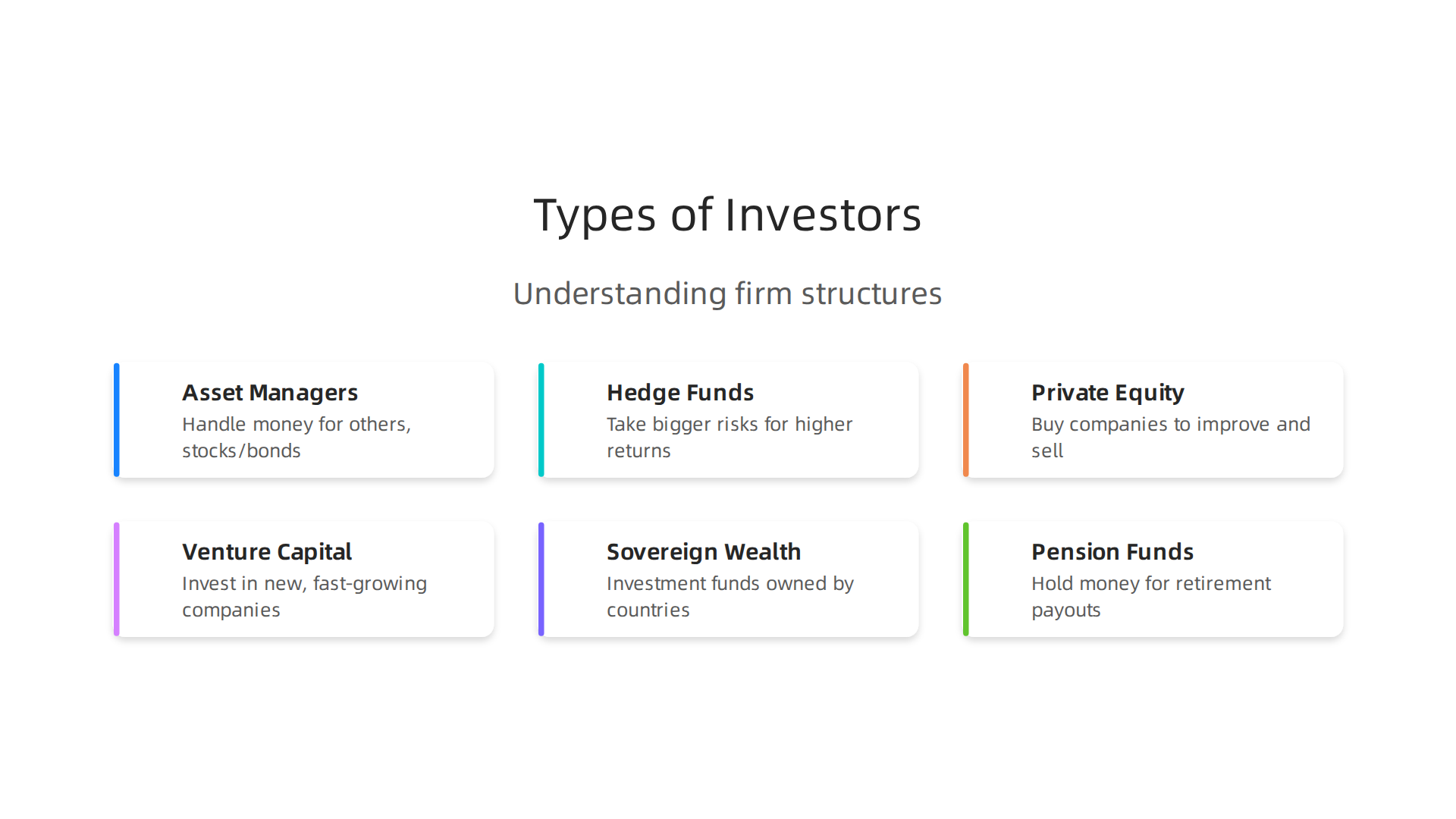
- Asset Managers: These firms handle money for other people, like big companies, pension plans, or very rich individuals. They often invest in stocks, bonds, and other easy-to-buy things. In 2026, many big asset managers are seeing their assets grow, with active ETFs becoming more popular than ever 2026 investment management outlook.
- Hedge Funds: These are like asset managers but often take bigger risks to try and get higher returns. They can invest in a wider range of things and use more complex strategies.
- Private Equity (PE) Firms: These firms buy companies, often taking them off the public stock market, to make them better and then sell them later for a profit. They usually own a big part of the company and get very involved in how it runs. If you want to know more about how these firms work, you can read a private equity funds a startup founders guide.
- Venture Capital (VC) Firms: These are special kinds of private equity firms that invest in new, fast-growing companies, or "startups." They usually put money into companies that are just starting out and have big ideas, hoping these ideas will become very successful. To understand how they pick companies, check out this guide on venture fund strategy.
- Sovereign Wealth Funds: These are investment funds owned by countries. They manage money that comes from things like oil sales or budget surpluses to help their country’s future.
- Pension Funds: These funds hold money that will be paid out to people when they retire. They are very careful with their investments because they need to make sure there’s enough money for everyone later on. Many institutional investors, including pension funds and insurance companies, are covered by the OECD Institutional Investors Statistics.
How Success is Measured
These firms use special numbers to show how big and powerful they are:
- Assets Under Management (AUM): This is the total value of all the money and investments a firm manages for its clients. It’s a key way to see how large an investment firm is. For example, some firms manage trillions of dollars in AUM.
- Committed Capital: For private equity and venture capital firms, this is the total amount of money that investors have promised to put into their funds. It shows how much money they have ready to invest in new companies. You can see how AUM and committed capital are tracked in financial reports from firms like Tian Tu Capital Co., Ltd. Financial Report.
- Fund Vintage: This is simply the year a specific investment fund started. A fund’s vintage can tell you a lot about its age and how much time it has left to invest or sell off its holdings.
- Deployment Pace: This describes how quickly a firm invests its committed capital into new companies. A fast deployment pace might mean they are actively looking for new deals.
These measures are important because they shape what kinds of deals a firm will look for and how they will act. For example, a firm with a very large AUM might only be interested in very big companies. A venture capital firm with a new fund vintage might be eager to invest in early-stage startups. Knowing these details helps you understand what an investor wants and how to best talk about your business.
Capital strategies used by the biggest firms: allocation, stage focus, and instruments
The largest investment firms in the US do not just have a lot of money; they also have smart ways of using that money. These ways are called capital strategies. They decide how a firm puts its money into companies, what kind of companies they like, and what tools they use to invest. Knowing these strategies helps you understand why firms like Hillhouse Capital USA or Crescent Capital might choose one deal over another.
Here are some common ways these big firms put their money to work:
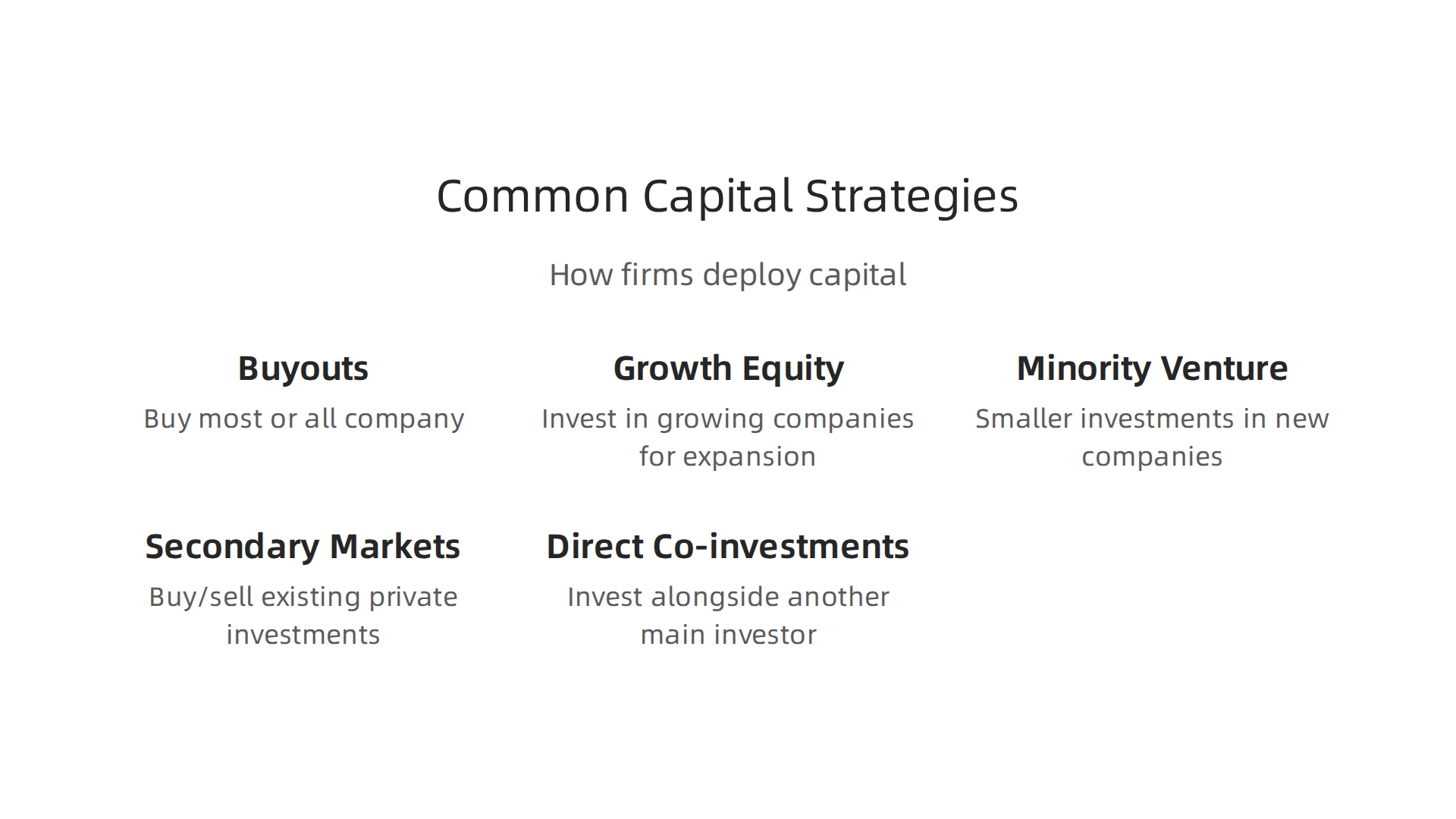
- Buyouts: This is when an investment firm buys most or all of a company. They take over the company to make it better and more valuable. Once the company grows, they sell it for a profit. This is a big strategy for many private equity firms.
- Growth Equity: With growth equity, firms invest in companies that are already doing well but need more money to grow even faster. They usually buy a smaller part of the company compared to a buyout, letting the original owners keep more control. This kind of investment is expected to grow more in 2026, especially with lower interest rates helping out Market Insights.
- Minority Venture Investments: These are smaller investments, usually made by venture capital firms, into new companies or startups. The investment firm takes only a small share of the company, betting that the startup will become very successful.
- Secondary Markets: This is a special market where investors can buy or sell existing investments in private companies or funds. Instead of investing in a brand-new company, firms buy a piece of an investment that someone else already owns. This market is growing fast, offering new ways for people to buy and sell these kinds of stakes Private Equity’s New Liquidity Engine: Rapid Growth in Co …. Many experts believe that 2026 will see even more growth in this area, as firms look for new ways to get money for their investments Secondaries in 2026: continued growth on the horizon. If you want to dive deeper into this topic, you can read more about private equity secondaries unpacking the 250 billion market key players and winning strategies.
- Direct Co-investments: This is when a firm invests directly into a company alongside another main investor, often a private equity firm. It means they share the investment and the risks. Many big firms, like Neuberger Berman and HarbourVest Partners, use this strategy along with secondaries to spread their money out Top 100 Private Equity Firms: 2026 Rankings by AUM.
How these strategies affect founders
The way a big investment firm uses its capital greatly changes what kind of deal a startup founder might get.
- If a founder is talking to a buyout firm, they should expect to give up most or all ownership of their company. The firm will want to control how the company is run.
- With a growth equity firm, a founder might keep more control but will need to show a clear plan for making the company bigger and more profitable.
- Firms focusing on minority venture investments are usually looking for very new ideas with a lot of potential, even if they are risky. They expect big returns if the company hits it big.
Knowing these different strategies helps founders understand what investors are looking for and how to present their company in the best light. It’s about matching your business needs with the right kind of investor.
Staying informed about these complex investment strategies and market changes is key for any founder or investor. For clear, daily updates on artificial intelligence and broader tech market intelligence, check out The AI Newsletter Worth Reading.
Differences between asset managers, private equity, and venture capital at scale
Building on the capital strategies we just talked about, it is also important to know that not all big money firms are the same. The largest investment firms in the US can be grouped into different types, like asset managers, private equity firms, and venture capital firms. They all handle money, but their goals, how long they hold investments, and what they consider success are quite different.

Knowing these differences helps you understand why each firm, from a big name like Hillhouse Capital USA to a specialized firm like Torchlight Investors LLC, makes the choices they do.
Let’s look at how these groups work.
Asset Managers
Asset managers take care of money for many people or groups, like pension funds or wealthy families. Their main goal is often to grow this money steadily and safely over time, often by investing in public stocks, bonds, and real estate. They usually deal with investments that can be bought or sold easily, meaning you can get your money out pretty quickly.
- Objectives: To grow clients’ money with lower risk, matching market performance.
- Time Horizons: Can be short to medium term, from daily trading to a few years.
- Key Performance Indicators (KPIs): They look at how their investments perform compared to the overall market (like the stock market index). They also care about the total amount of money they manage (Assets Under Management, or AUM).
- Portfolio Construction: They spread money across many different types of investments to lower risk. They like investments that are easy to sell.
Private Equity (PE) Firms
Private equity firms like Crescent Capital buy entire companies, or at least a big part of them. Unlike asset managers, they focus on private companies, not ones listed on the stock market. Their goal is to make these companies better, often by changing how they are run, and then sell them for a much higher price a few years later. This usually means giving up a lot of control if you are a founder. As of 2026, private equity has become a very established industry, showing its long-term growth and impact on markets Global Private Markets Report 2026.
- Objectives: To buy private companies, improve them, and sell them for a large profit. They want to make a lot of money on each deal.
- Time Horizons: Medium to long term, usually 3 to 7 years. Their investments are not easy to sell quickly, they are "illiquid."
- Key Performance Indicators (KPIs): They focus on Internal Rate of Return (IRR), which shows how much money an investment earns over time. Another important one is Multiple of Invested Capital (MOIC), which tells you how many times they multiplied their original investment. For their investors, known as Limited Partners (LPs), a key metric is Distributions to Paid-in Capital (DPI), which shows how much cash has been returned to them Global Private Equity Report 2026.
- Portfolio Construction: They often invest in fewer companies but take a larger, controlling stake in each. They sometimes use borrowed money to make their returns even bigger.
- To learn more about how these firms pick their deals, you can read about how to choose private equity investment companies for your startup.
Venture Capital (VC) Firms
Venture capital firms invest in new, fast-growing companies or startups that have a lot of potential but also a lot of risk. They usually take only a small part of the company, not aiming for full control. They know that many startups might not succeed, but they hope that one or two will become huge, making up for all the others. In the first part of 2026, venture capital has shown strong returns, often doing better than other private investment types MSCI Private Capital Benchmarks Summary Q1 2026.
- Objectives: To find and fund very innovative startups with high growth potential, aiming for massive returns if a company becomes hugely successful.
- Time Horizons: Long term, often 7 to 10 years or more. These investments are also very illiquid.
- Key Performance Indicators (KPIs): Like private equity, they use IRR and MOIC, but their focus is more on the potential for exponential growth rather than steady operational improvements.
- Portfolio Construction: They invest in many different startups, expecting a few big winners to make up for the rest. They typically take minority stakes, meaning they don’t control the company.
- You can explore more about the key differences in how these firms operate in our guide on Venture Capital Private Equity the Critical Difference for Startup Fundraising.
How Institutional Constraints Influence Investing
The "LPs" are the big investors (like pension funds or universities) who give money to these firms to manage. These LPs have their own rules about how their money can be used. For example, some LPs need to be able to get their money back quickly, so they might prefer asset managers. Others are okay with long-term, less liquid investments if the potential returns are very high, making them suitable for private equity or venture capital. These rules and needs greatly shape what kinds of deals the largest investment firms in the US can pursue.
Understanding these differences is key for anyone involved in investing or looking for funding. It helps you see beyond just the money and understand the whole strategy of an investment firm.
Moving from understanding the different kinds of big money firms, let’s look at how these groups actually find, check, and decide on new companies to invest in. The largest investment firms in the US, whether they are big asset managers, private equity like Crescent Capital, or venture capital firms, all have special ways of working. They need to find good startups, check them out carefully, and then make a smart choice.
How Big Firms Find New Investments
Large investment firms use several ways to find promising new companies, especially startups:
- Internal Scouting Teams: Many big firms have their own teams whose job it is to look for new investment ideas. They might go to industry events or look at what’s new in the market.
- LP Networks: Limited Partners (LPs) are the big investors who give money to these firms. Sometimes, these LPs also find interesting startups and share them with the firms they invest in. This creates a powerful network.
- Secondaries and Existing Relationships: Sometimes, firms buy shares in a startup from another investor. Or, they might invest in companies they already know well through past deals or connections. For a deeper dive into this area, you can learn about private equity secondaries unpacking the 250 billion market key players and winning strategies.
- Direct Outreach: Founders often reach out directly to firms like Hillhouse Capital USA or Torchlight Investors LLC with their ideas. Getting your "funding package" ready is key here. You can learn how to create your winning funding package for startup success.
- Accelerators and Incubators: These are programs that help young startups grow. Many large firms partner with or keep an eye on these programs to spot new talent early.
- Other Channels: Firms also look at industry reports, news, and even use AI tools to find potential deals. For founders, knowing how to find and fund high potential tech startup ideas in 2026 can help them get noticed.
Checking Out Startups (Due Diligence)
Once a firm finds a startup that looks interesting, they start a very detailed check called "due diligence." This is like a deep dive into every part of the company.

In 2026, this process has become even more important and complex.
- Initial Check: First, they look at the basics: Is the idea good? Is the team strong? Does the company have a market for its product or service?
- Deep Dive: Then, they dig much deeper. This includes checking the company’s money situation, its legal papers, how it runs its day-to-day business, and its technology. Today, firms also pay close attention to things like how a company treats the environment, its social impact, and how safe its computer systems are. These factors, known as ESG (Environmental, Social, and Governance) and cyber security, are now a must-have part of the check M&A Due Diligence Best Practices 2026: Complete Institutional …. Regulators are also making the process stricter, especially for big deals M&A Due Diligence Standards Tighten as Deal Complexity Surges.
- Decision Gates: As they gather information, firms have different "decision gates." This means that after certain checks are done, the deal is reviewed by senior people or a committee. If it passes one gate, it moves to the next, getting closer to a final decision. This helps make sure they are making good choices and spreading out the risk. According to the 2026 institutional investor due diligence checklist, investors now look at both the investment’s potential and how well the company is run before putting in money 2026 institutional investor due diligence checklist.
This careful process is how the largest investment firms in the US try to pick winners and avoid bad investments. It’s a lot of work, but it’s crucial for their success.
Get clear daily AI updates from The AI Newsletter Worth Reading.
When you are a founder, knowing how the largest investment firms in the US think and work is very helpful. After all the careful looking and checking they do, you need to know if your startup is a good fit for them. It’s not just about finding money, it’s about finding the right money.
When to Approach Big Firms vs. Smaller Investors
Not every startup should try to get money from the biggest firms, like Hillhouse Capital USA or Torchlight Investors LLC. These firms often look for companies that can grow very, very big, very fast. They usually invest a lot of money at once, so they need to see a clear path to a huge return.
- Big firms are for big potential: If your startup has a proven product, lots of customers, and a clear plan to become a market leader, then a large firm might be a good choice. They are ready to pour in huge amounts of capital to help you scale rapidly.
- Smaller investors for early stages: If your startup is very new, maybe you only have an idea or a small number of early users, then smaller, specialized investors might be better. These could be angel investors or smaller venture capital funds that focus on early-stage companies. They are often more willing to take a chance on unproven ideas and can offer helpful advice as you grow. You can learn more about mastering the angel investment network for early funding.
In 2026, many investors are looking for startups with a clear vision and strong growth plans. Even big firms might look at "add-ons and structured growth equity" if the market is right, as noted in a 2026 market insights report Market Insights.
How to Make Your Pitch Stand Out
When you do approach the largest investment firms in the US, your pitch needs to be very sharp. You must show them that your company is not just good, but exceptional, and that it fits what they want to invest in.
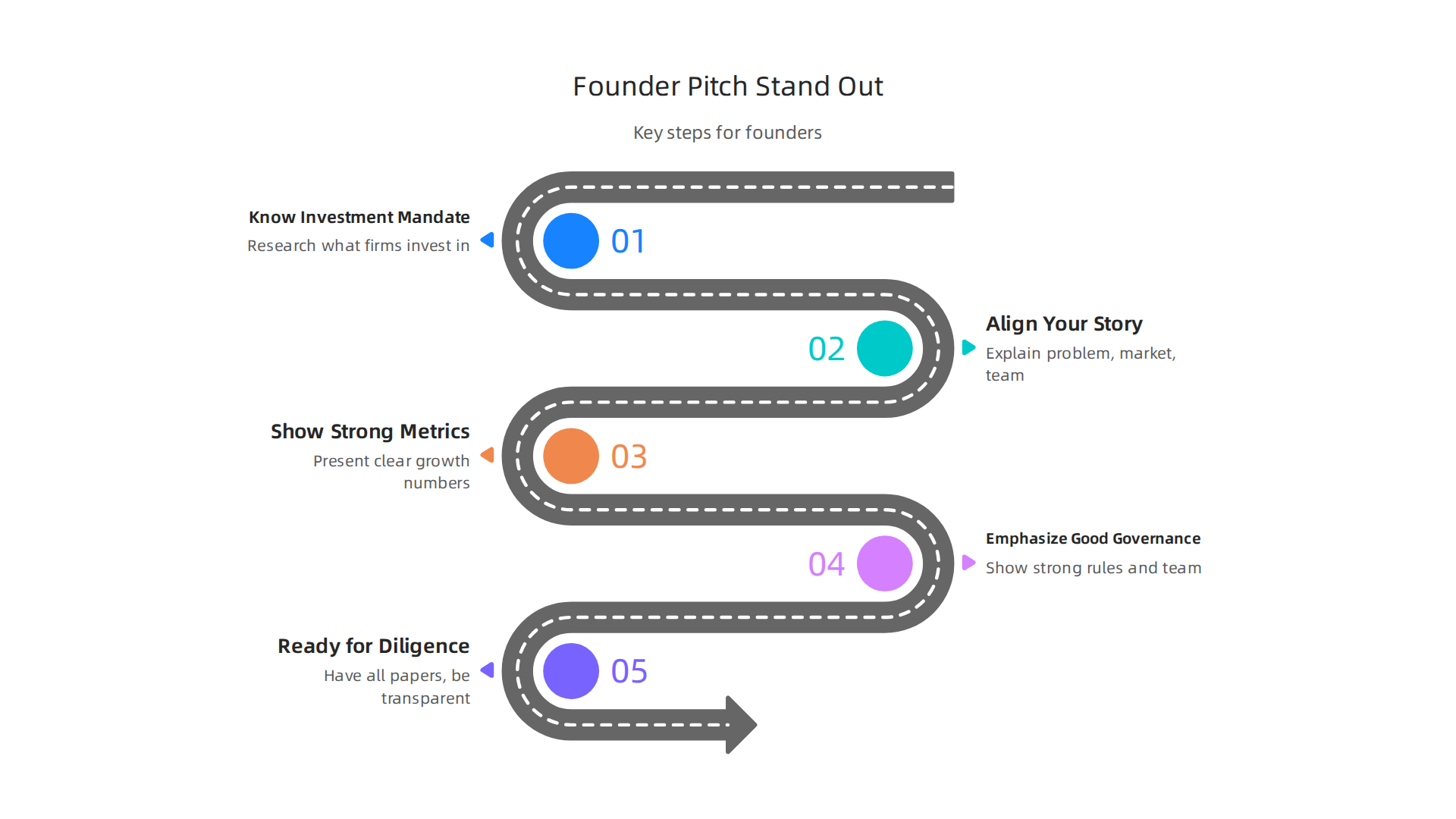

- Know Their Investment Mandate: Research each firm carefully. What kind of companies do they usually invest in? What industries? What stage of growth? If you know they focus on, say, deep tech or healthcare, and your company is in fashion, it’s probably not a match. This helps you avoid wasting time.
- Align Your Story with Their Needs: Your pitch should clearly explain the problem you solve, the size of the market you are going after, and how your team is the best to make it happen. Investors expect to see how your company will grow, so be ready with details on your market, customers, and how you plan to make money. A strong pitch deck should introduce your founder story and show why you are uniquely positioned to solve a problem What Do VCs Look For? The 4 Pillars Investor Framework – spectup.
- Show Strong Metrics: Big firms love data. You need to present clear numbers that show your company is growing and making progress. This includes things like how many customers you have, how much money you are making (revenue), and how quickly you are adding new users. For growth stage startups, key metrics like Annual Recurring Revenue (ARR) and Net Revenue Retention are very important in 2026 Growth stage startup governance playbook.
- Emphasize Good Governance: Institutional investors care a lot about how your company is run. They want to see that you have good rules and a strong team to manage the business. This means showing clear structures and how you handle money and decisions. They will check your legal and financial records carefully How to Prepare for Institutional Investor Conversations.
- Be Ready for Deep Due Diligence: Remember, these firms will do a very thorough check. Have all your papers ready: financial statements, legal documents, contracts, and details about your technology. Being organized and transparent will make a good impression. To prepare for this, founders should create a detailed "funding package." You can find more tips on funding readiness with an institutional investor checklist.
Understanding these points can help you decide when and how to approach the biggest firms. It’s about being strategic and prepared, ensuring your startup truly shines when it’s time to ask for big money.
Understanding the biggest investment firms in the US isn’t just about their money, but also about the larger picture that shapes their choices. In 2026, several big trends are changing how firms like Hillhouse Capital USA and Torchlight Investors LLC decide where to put their capital. Founders need to know about these shifts to plan their fundraising well.
Regulatory Changes Make a Difference
The rules that investment firms follow are always changing, and 2026 is no different. We are seeing more focus on specific kinds of checks that big firms must do before investing. For example, things like how a company impacts the environment, its social practices, and how it is run (this is called ESG) are now a must-have for due diligence. Also, checking for cybersecurity risks is no longer optional for most institutional buyers, with 78% treating it as a key part of their review process M&A Due Diligence Best Practices 2026: Complete Institutional ….
There’s also more regulatory checking of mergers and big deals. Government groups like the SEC and Department of Justice are looking more closely at things like competition and foreign investments M&A Due Diligence Standards Tighten as Deal Complexity Surges. This means that for startups, especially those looking for large investments from firms like Crescent Capital, being very clear and organized about your company’s practices is more important than ever. You can learn more about how to prepare by understanding what is a capital investment group how to partner for growth 2026.
These new rules mean that investment due diligence in 2026 is about more than just checking numbers. Investors also want to see that a company is well-run and acts responsibly 2026 institutional investor due diligence checklist. They are looking at things like your supply chain to make sure there are no issues with human rights or the environment Supply Chain Due Diligence in 2026 | Key Trends and Risks.
How Market Cycles Affect Funding
Beyond rules, the overall health of the economy also plays a huge part in what the largest investment firms in the US do. Things like interest rates and how much cash is flowing in the market (liquidity) can change how firms allocate their money. When interest rates are low, it might be easier for companies to borrow money, and investors might be more willing to take bigger risks with startups. When rates go up, everyone tends to be more careful.
In 2026, some private market investors are seeing fewer big deals happen, and they are holding onto their investments for longer. This means they are putting more effort into checking risks all the time, not just once a year. They are looking at new types of data, like ESG information, to help them make smarter choices Private Markets in 2026: Macro Trends and What They ….
What does this mean for you, the founder? It means that timing your fundraising is very important. In times when the market is slow or uncertain, investors might prefer safer bets or companies that already have strong, steady earnings. For innovative startups, showing clear pathways to profit and strong governance becomes even more crucial. Staying up-to-date on tech market intelligence, especially around AI, can also give you an edge.
Get clear daily AI updates from The AI Newsletter Worth Reading.
Overall, the world of big investment is becoming more detailed and complex. Startups need to be ready not just with a great idea, but also with strong numbers and a clear understanding of these larger market forces and regulations. Learning about how to get venture capital funding a founders guide for 2026 can help founders navigate these changes.
Summary
This article demystifies how the largest investment firms in the US make allocation decisions and why that matters for founders seeking capital. It explains the major firm types—asset managers, hedge funds, private equity, venture capital, sovereign wealth and pension funds—and the metrics they use like AUM, committed capital, IRR and MOIC. You’ll learn common capital strategies (buyouts, growth equity, minority venture investments, secondaries and co-investments), how these choices shape deal terms, and how firms source and diligencedeals through scouting, LP networks and deep due diligence. The guide shows when a startup should pursue large institutional investors versus smaller, early-stage backers and gives practical pitch and funding-package advice for passing institutional review. It also covers 2026 trends—ESG, cybersecurity checks, regulatory scrutiny and market cycles—that change investor behavior. After reading, founders will better target the right investors, prepare for strict due diligence, and tailor a pitch that aligns with an investor’s mandate.