

Introduction
Imagine you are a founder with a brilliant idea but no clear path to funding.

You know the money is out there. But finding the right partner feels like searching for a needle in a haystack. That is where tech exchange platforms come in.
These platforms are reshaping how startups access capital and collaborate with partners across the globe. In 2026, the technology sector is more powerful than ever. According to Statista, Nvidia led the world with a market cap of $4.48 trillion in January 2026. And emerging markets are driving new opportunities in AI, data centers, and telecom, as TecEx reports. This creates massive potential for founders who know where to look.
But here is the thing. The landscape in 2026 is crowded. Dozens of platforms claim to connect you with investors, partners, and advanced technology resources. Some focus on equity crowdfunding. Others specialize in revenue sharing or tokenized assets. The variety is overwhelming. Founders need clarity. They need to know which platforms drive real value and which ones just add noise.
That is exactly what this article delivers. We provide a data-backed comparison of the top tech exchange platforms available today. You will learn what each platform does best, who it serves, and how to pick the right one for your stage and goals. We also share actionable strategies to help innovators like you navigate this fast-moving space.
Along the way, we connect these insights to broader trends in tech hubs and startup fundraising. For example, our guide on tech tools for startups in 2026 shows how the right platform choices can attract investors and speed up your fundraising.
And our analysis of tech company categories helps you position your startup for the right audience.
The goal? To save you time and frustration. By the end of this article, you will have a clear roadmap for using tech exchange platforms to grow your business.
For daily updates on AI and technology trends that shape these markets, consider subscribing to The Deep View Newsletter.

It delivers clear insights straight to your inbox.
Let us dive in.
What Is a Tech Exchange? Defining the Modern Innovation Marketplace
You already know tech exchange platforms can help you find funding fast. But what exactly is a tech exchange? Let’s break it down simply.
A tech exchange is a digital marketplace that connects startups, investors, and corporate partners. Think of it as an online hub where early-stage companies meet the people who can fund them or help them grow. Unlike the New York Stock Exchange or Nasdaq, which trade shares of massive public companies, tech exchanges focus on private, growing businesses. They are built for the messy, exciting phase before a company goes public.
These platforms operate under clear rules set by the U.S. Securities and Exchange Commission. Regulation Crowdfunding, for example, allows companies to raise money from both wealthy accredited investors and everyday people. As of February 2026, the SEC updated its crowdfunding guidance to make participation easier for more investors. This means a founder in Omaha can raise capital from supporters across the country.
Some well-known tech exchange platforms include SeedInvest, Republic, and the Startup Grind partnership network. Each has a different twist.
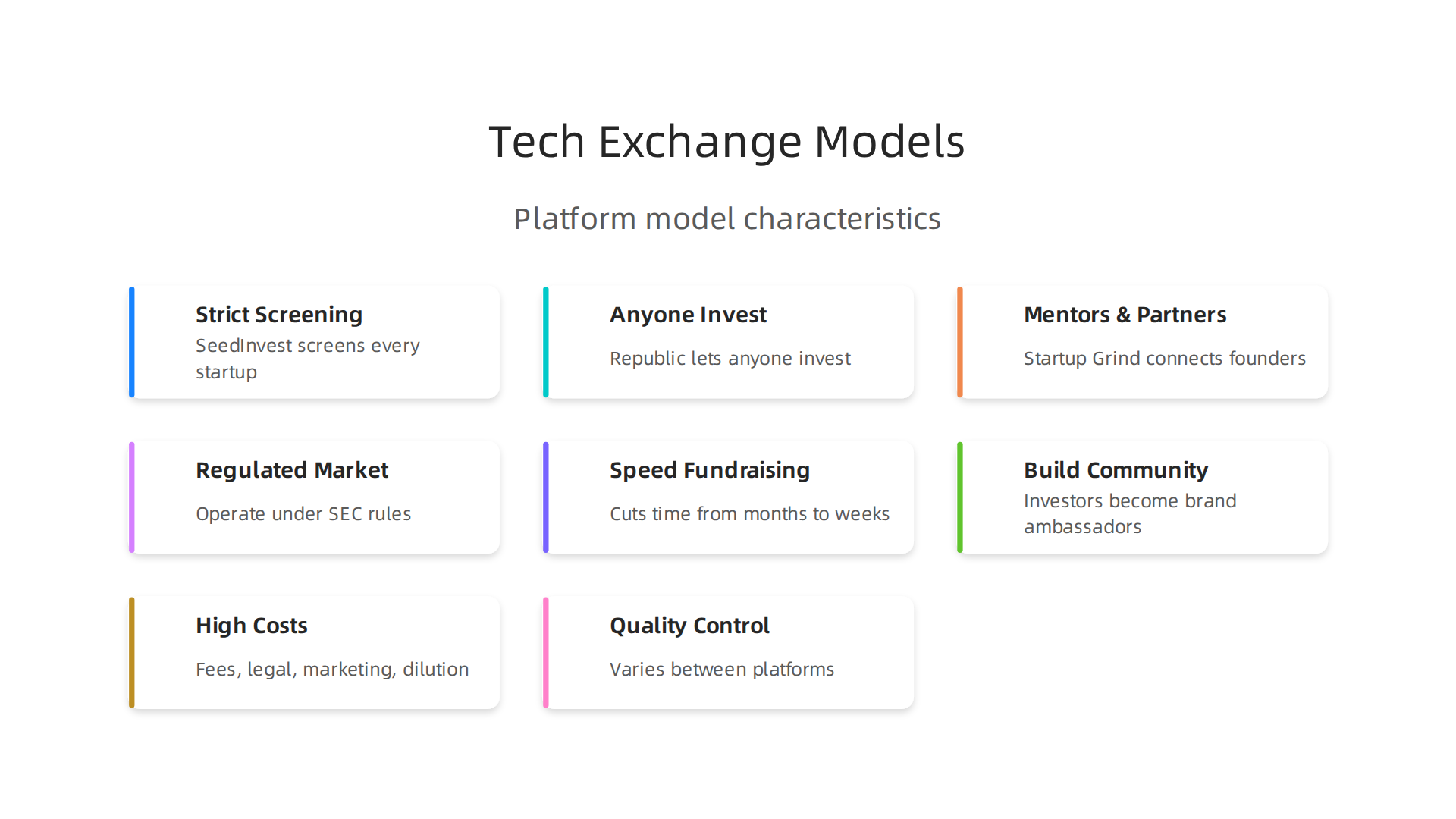
SeedInvest screens every startup before listing it, which helps investor trust. Republic lets anyone invest with as little as ten dollars. Startup Grind connects founders with mentors and corporate partners in tech hubs around the world. These platforms are part of a larger trend where advanced technology funding is becoming more accessible to everyone.
For founders, tech exchanges offer something traditional venture capital often cannot. They give you direct access to a broad audience of potential backers. You can raise money, test your product in the market, and build a community of supporters all at once. To get the most out of these platforms, you need a strong positioning strategy. Our guide on tech tools for startups in 2026 that attract investors shows you exactly how to stand out.
As technology funding continues to evolve, staying informed about the shifts in AI, regulation, and market trends is key. For daily insights that help you make smarter decisions, consider subscribing to The Deep View Newsletter. It delivers clear, actionable updates straight to your inbox.
The Role of Tech Exchanges in Accelerating Startup Growth
Here is the hard truth about raising money the old way. Only about 2 to 3 percent of pre-seed startups ever get funding from outside investors. That is the brutal reality according to data from Equidam. And once you enter the venture capital funnel, nearly 67 percent of startups stall and never raise a follow-on round, reports CB Insights. The entire process can take six to nine months just to land a single yes. That is a long time to keep the lights on.
Tech exchanges flip this timeline on its head. They act like a speed lane for fundraising

t milestone, reflecting hard work and accelerated progress.](https://startupfundraisingnews.com/wp-content/uploads/2026/06/weblish-inline-33043.jpg)
by taking care of a big headache upfront. When you list on a platform like SeedInvest or Republic, the platform already handles the basic due diligence. Investors trust that because the exchange has vetted you. This cuts the time from pitch to funding from months to weeks.
But here is the part that often gets overlooked. Tech exchanges do not just connect you with money. They help you build something even more valuable. A community. When people invest in your startup on a regulated platform, they become real supporters. They give feedback on your product. They share your news. They become your first brand ambassadors. That kind of social proof is powerful. As the team at Presta notes, raising capital in 2026 is significantly easier when investors see social proof and topical authority before you even meet.
And the data suggests this approach works. Startups that successfully raise on these platforms often see faster follow-on rounds. Why? Because you already have a base of investors who are cheering for you. You have proven you can execute. That track record matters when you go back for a Series A.
Tech exchanges are also changing who gets to be part of the innovation ecosystem. They open doors for founders outside traditional tech hubs. You do not need to be in Silicon Valley to access advanced technology funding anymore. You just need a strong idea and a smart approach.
If you want to raise money faster and smarter, using a tech exchange is a great first step. But you also need to stay informed about the bigger shifts in technology and markets. That is why we recommend subscribing to The Deep View Newsletter. It delivers clear daily insights on AI and tech trends that can help you make better fundraising decisions.
Key Platforms Driving Innovation and Collaboration in 2026
Now that you understand how tech exchanges speed up fundraising, let’s look at the specific platforms making it happen in 2026. Not all exchanges are the same. Each one has its own strengths, rules, and types of investors. Picking the right place for your startup is just as important as having a great pitch.
Here are the main players you should know.
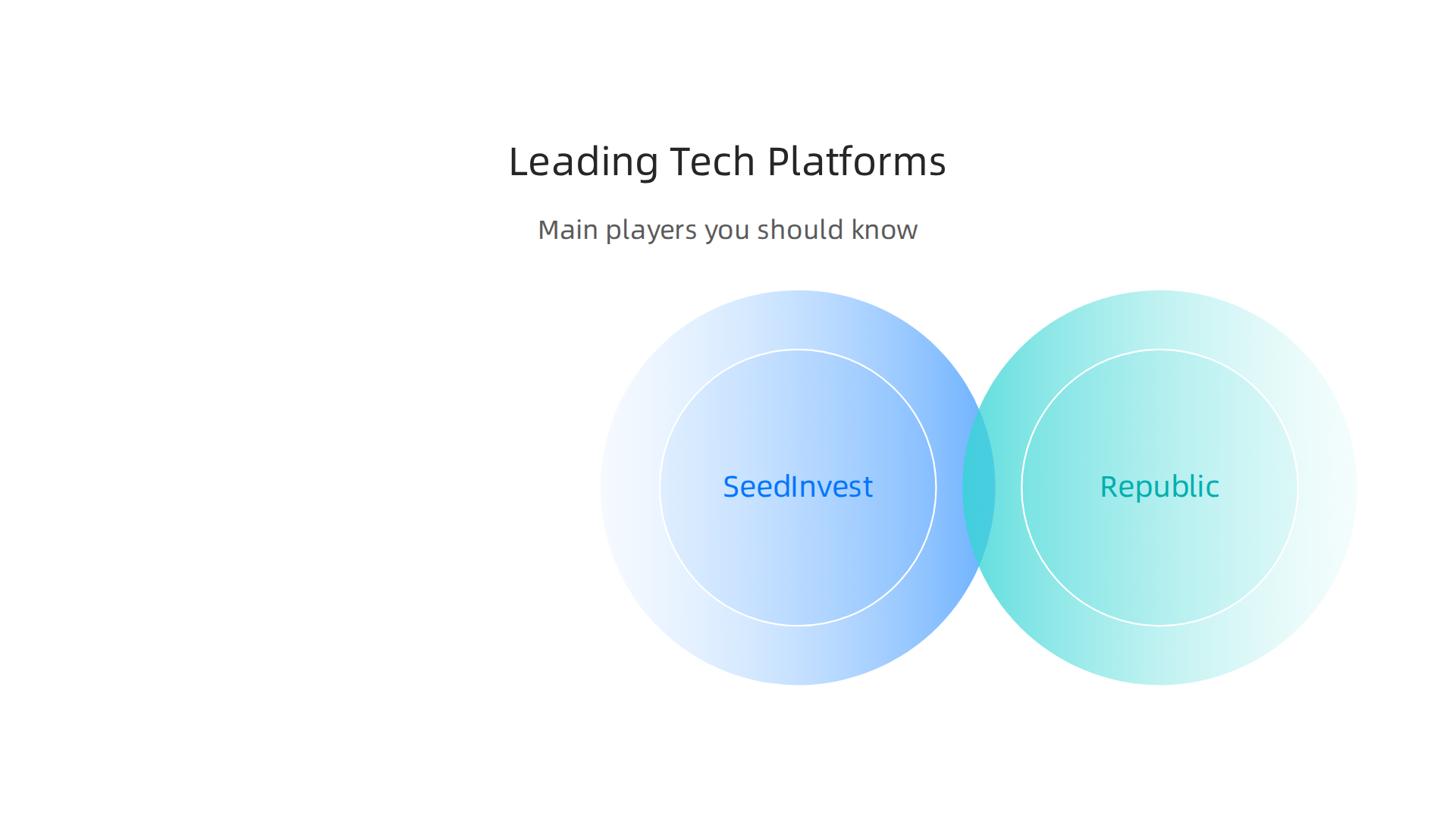
SeedInvest is one of the most trusted names in equity crowdfunding. It focuses on high-growth startups that might otherwise need VC money. The platform uses a strict screening process, which means investors feel confident. If you get approved, you gain access to a large network of accredited investors. This is a solid choice if you have a strong business model and want serious money without the endless pitch meetings.
Republic takes a wider approach. It lets anyone invest, not just wealthy individuals. You can raise smaller amounts from a big crowd. But Republic also runs a separate token offering platform for blockchain-based projects. In 2026, tokenization is a growing trend. As more assets become digital, platforms like Republic are at the center of this shift. The World Economic Forum highlights that tokenization offers a new model of ownership that is more transparent and accessible. If your startup involves digital assets or wants to experiment with tokenized equity, Republic is worth exploring.
Wefunder is the most accessible platform. It allows anyone, even non-accredited investors, to put in as little as $100. This makes it great for building a loyal community of supporters who care about your mission. Many founders use Wefunder to raise a seed round from their own customers and fans. The trade-off is that fundraising can be slower and the total amounts are typically smaller than on SeedInvest or Republic.
AngelList works differently. It focuses on syndicates, where one lead investor pools money from others. It is more like traditional angel investing but done online. AngelList is best for startups that already have some traction and can attract a lead investor. It also offers a platform for venture funds to raise capital, making it a versatile tool for later stages.
Upfront Ventures’ network is a newer model. It is not a public exchange. Instead, it connects startups directly with the firm’s partners and portfolio companies. This is more like a private club. It works if you are already in the startup ecosystem or have a warm introduction.
New platforms are also entering the space in 2026. Some are using artificial intelligence to match startups with the most relevant investors. For example, AI can analyze investor preferences, past deals, and sector trends to suggest the best fit. The combination of AI and blockchain is creating new opportunities for automated compliance and risk management, according to a recent analysis from Scalable Solutions. This means that soon, you might spend less time searching for the right investor and more time building your company.
Before you choose a platform, think about your goals. Do you want a fast, high-value raise? SeedInvest or AngelList might be better. Do you want to build a broad community of brand ambassadors? Wefunder or Republic could be the way to go.
And remember, the tech exchange landscape is changing quickly. Staying updated on these shifts helps you make smarter decisions. That is exactly why thousands of founders read The Deep View Newsletter every day. It gives you clear, quick insights on AI and tech trends that affect how and where you raise capital.
How Tech Exchanges Facilitate Fundraising and Investor Access
You now know the key platforms. But how do these tech exchanges actually help you raise money and connect with the right people? Let’s look under the hood.
First, tech exchanges democratize access to investors. In the old days, you needed a warm introduction to a venture capitalist or a rich uncle.

Now, platforms like Wefunder let anyone invest as little as $100. This opens the door to thousands of potential backers, not just a handful of wealthy individuals. Even platforms like SeedInvest, which focus on accredited investors, still give you direct access to a large pool without needing personal connections.
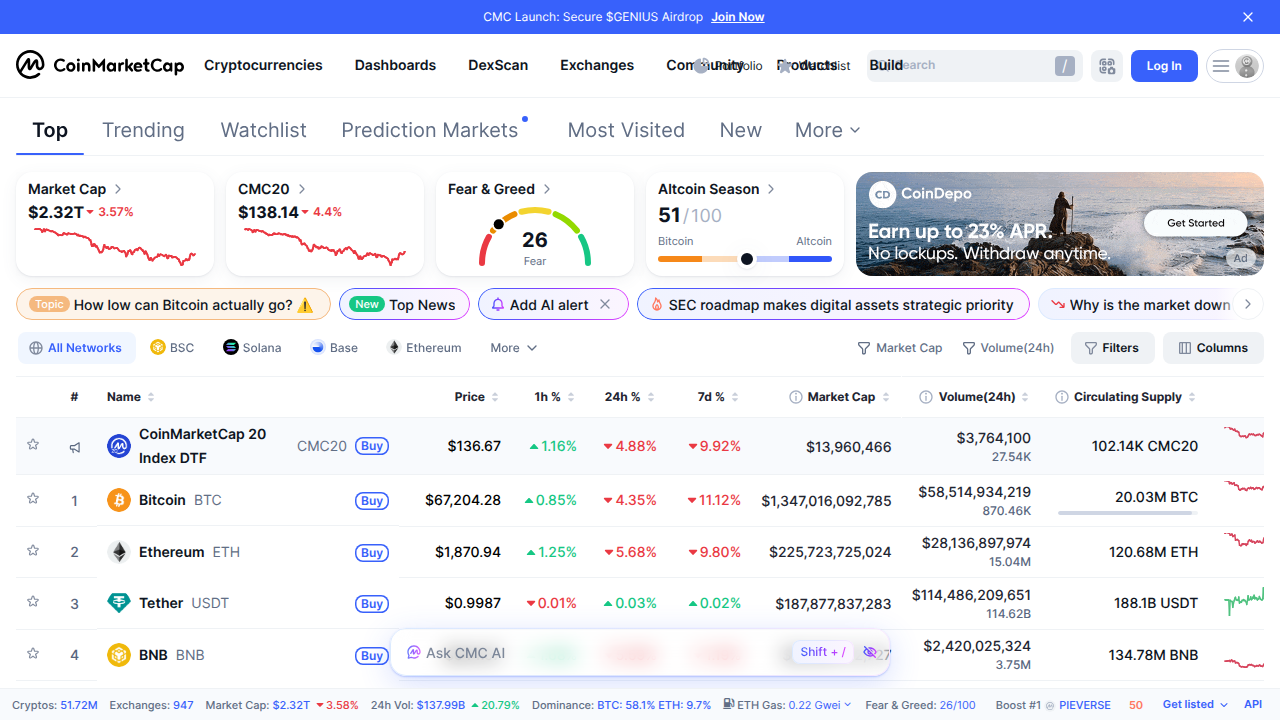
Second, these exchanges reduce information asymmetry. Before tech exchanges, investors had a hard time trusting startup claims. How could they know your revenue numbers were real? Platforms solve this by setting standardized listing requirements. You must provide verified financials, legal documents, and business plans. This levels the playing field. Investors can compare startups side by side. The result is more trust and faster decisions. As the crypto space shows, ranking systems like those on CoinMarketCap help traders evaluate exchanges by volume and trust.
The same logic applies to equity platforms. Clear standards make everyone smarter.
Third, some platforms use smart contracts and escrow features to speed up capital deployment. When you hit your fundraising goal, the money is released automatically. No waiting for checks to clear or chasing down late payments. This is especially powerful in the crypto and tokenized equity space. Platforms like Republic are exploring these features. According to a guide on Kraken, the best exchanges in 2026 prioritize security, speed, and transparency. The same principles apply to fundraising platforms. Faster capital means you can start building sooner.
Finally, tech exchanges act as tech hubs for founders and investors. They are not just transaction platforms. They are communities where you can learn from other founders, find advisors, and build relationships. This network effect makes the whole ecosystem stronger.
If you want to stay ahead of these trends, you need a steady stream of clear insights. That is exactly what The Deep View Newsletter delivers every day. It breaks down AI and tech shifts that affect how and where you raise capital. Join over 70,000 founders who read it daily.
Challenges and Limitations of Current Tech Exchange Models
So far, tech exchanges sound like a dream for founders. They promise fast access to capital and a crowd of eager investors. But the reality is a bit more complicated. Before you rush to launch a campaign, you need to understand the hidden costs and risks.
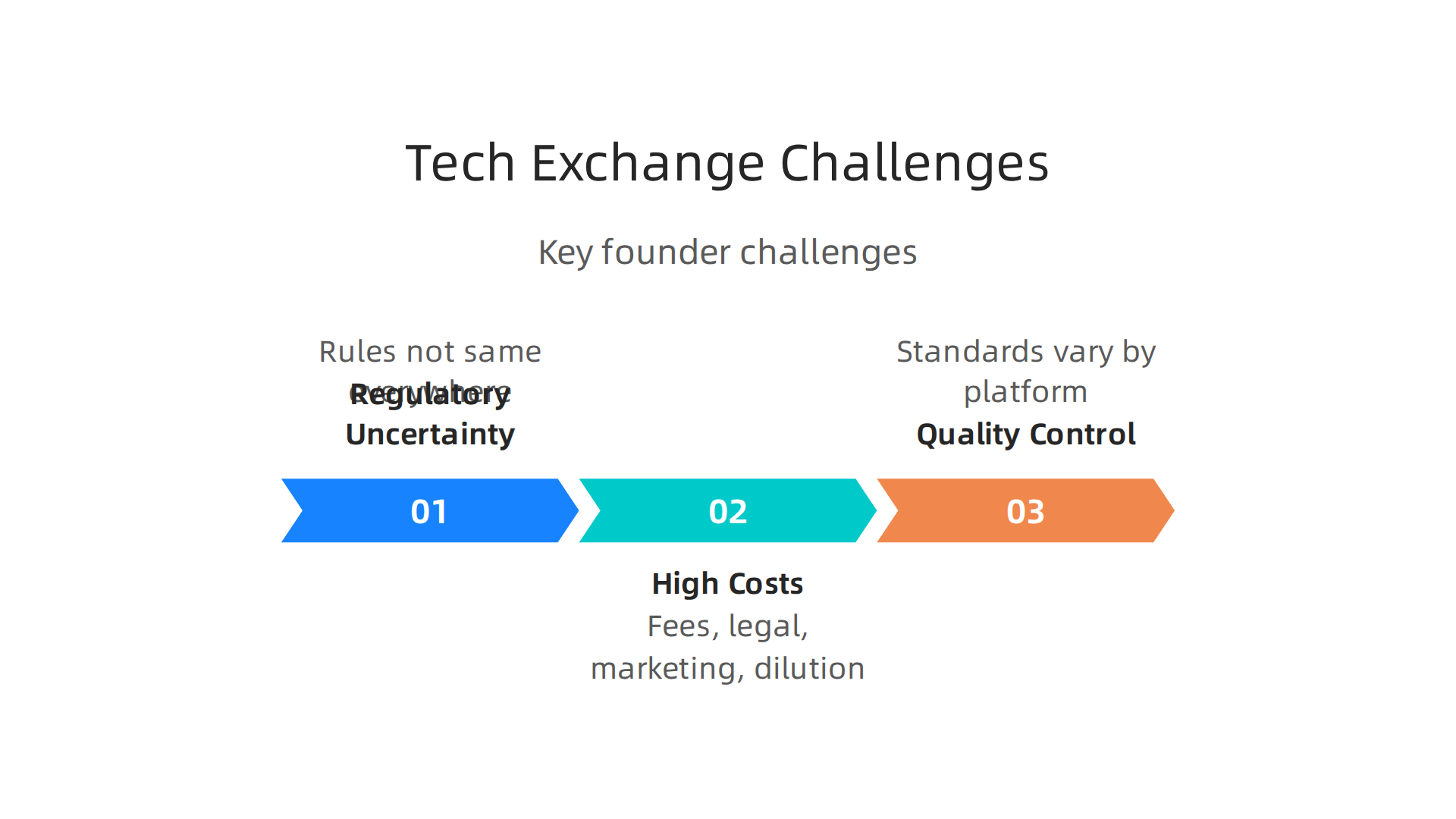
The biggest challenge is regulatory uncertainty. The rules of the road are not the same everywhere.
In the US, the SEC lays out strict guidelines through Regulation Crowdfunding.
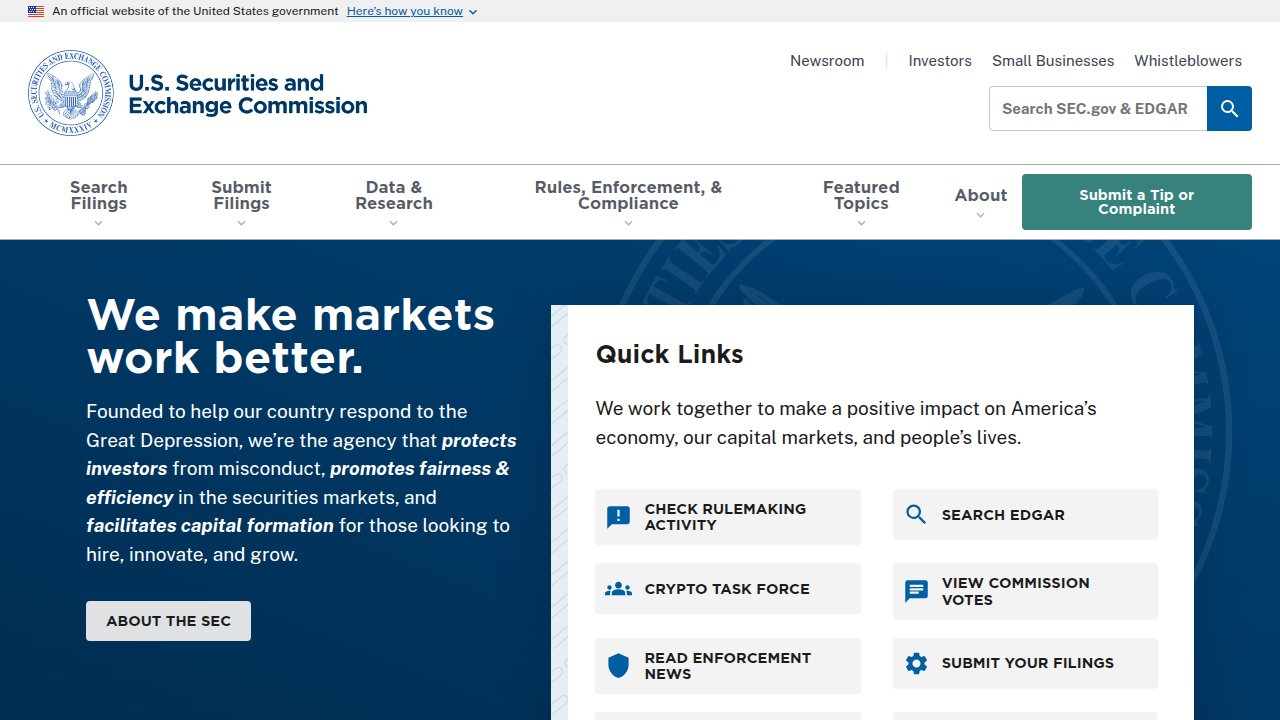
You must use a registered intermediary. There are limits on how much you can raise and who can invest. Just recently, in February 2026, the SEC added new interpretations to these rules. This keeps changing. If you want to raise money from investors in other countries, the complexity multiplies. What works in the US might violate laws in Europe or Asia. For founders without a legal team, this is a big hurdle. The advanced technology that powers these platforms moves faster than the regulators. Having a strong technology background can help you understand the technical due diligence required, but it does not protect you from legal trips.
Second, the cost of using a tech exchange can eat into the money you raise. Most platforms charge a success fee. It usually ranges from 5% to 10% or more. You also have to pay for legal compliance, accounting, and marketing your campaign. On top of that, you give up equity to a large group of investors. Managing a cap table with hundreds of small investors can be a headache. It might even scare away big venture capital firms later. So while the tech smart digital tools make fundraising look easy, the real cost in fees and future complexity is high. You need to use the best tech tools for startups in 2026 just to manage the overhead. The benefit of fast capital can be offset by the dilution and management burden.
Third, quality control is a real problem. Not all platforms verify startups the same way. Some do deep checks. Others are less careful. This opens the door for bad actors or poorly planned businesses to raise money. As an investor, you need to do your own research. As a founder, you need to make sure your platform has strong standards. The SEC requires platforms to follow rules about investor verification, but the enforcement is still evolving. If a platform accepts everyone, it loses trust. The best tech exchanges act like tech hubs that build strong communities. But building quality takes time. Right now, the market is still young. That means the quality of investors and deals varies wildly from one platform to the next.
Navigating these challenges requires more than just a good pitch deck. You need to stay informed about shifting regulations, platform reputations, and new models like tokenization that could change the game. Staying ahead of these trends is tough. That is why so many successful founders rely on a steady flow of clear, daily insights. The Deep View Newsletter breaks down the market shifts and regulatory changes that matter most. Join over 70,000 founders who read it every day to make better fundraising decisions.
Best Practices for Founders: Leveraging Tech Exchanges Effectively
You have read about the risks. Now let’s talk about how to use a tech exchange the right way.

The truth is, only about 2% to 3% of startups ever raise outside funding at all. That’s a tough number to swallow. But a tech exchange can give you a real edge if you follow three simple rules.
1. Develop a strong narrative and data room before listing
Investors on a tech exchange see dozens of pitches every week. They do not have time to guess what your business does. You need a clear story and hard numbers. Start with a one-page executive summary. Then build a data room that includes your financial projections, customer traction, team backgrounds, and market analysis. If your numbers are messy, your campaign will fail.
Take the time to prepare your startup for investor success. A clean data room shows you are serious. It also helps you stand out when the platform reviews your application. Some programs only accept 10% to 20% of applicants. So do not rush. Use the right tech tools for startups in 2026 to organize everything before you hit publish.
2. Engage with the community early
A tech exchange is not a vending machine. You cannot just drop in your pitch and walk away with cash. The best investors on these platforms are regular people who want to connect with founders. They ask questions. They watch updates. They share feedback.
Start talking to the community weeks before your campaign goes live. Answer every comment. Post updates about your progress. Share your struggles as well as your wins. This builds trust. And trust turns into investment. Nearly 67% of startups that get venture capital stall somewhere in the process. Active community engagement can keep you moving forward. It also shows you are tech smart and know how to use modern tools to build relationships.
3. Diversify across multiple exchanges
Different tech exchanges attract different types of investors. Some focus on advanced technology startups. Others are better for consumer brands or local businesses. Do not put all your hope into one platform. List on two or three that match your industry and stage.
Spreading out gives you access to more investor demographics. It also protects you if one platform has a slow month. In 2026, smart founders are raising capital in tranches that match key milestones. A diversified exchange strategy fits perfectly with that approach.
Following these best practices takes time. But the payoff is worth it. Stay on top of the shifting rules and platform reputation by getting daily insights delivered to your inbox. The Deep View Newsletter breaks down market changes and investor trends for over 70,000 founders. Join them to make smarter fundraising moves every day.
Summary
This article explains how modern tech exchange platforms—digital marketplaces that connect startups, investors, and corporate partners—are reshaping fundraising in 2026. It defines what a tech exchange is, compares major platforms (SeedInvest, Republic, Wefunder, AngelList and private networks), and shows how these services can shorten fundraising timelines, build investor communities, and open access beyond traditional hubs. The piece also covers how exchanges work under SEC rules, common fees and operational costs, and the risks of low-quality listings or cross-border regulation. You’ll learn practical best practices: prepare a strong narrative and data room, engage the community early, and diversify across platforms. The article highlights new trends—tokenization and AI matching—and gives founders a clear roadmap to choose and use exchanges effectively for faster, smarter capital raises.