

Introduction: Why Your Startup’s Tech Stack Matters More Than Ever
Picture this: You’re a founder with a brilliant idea and a burning drive to make it real.

You’ve got the passion. You’ve got the pitch. But your day-to-day operations feel like a mess of spreadsheets, disjointed apps, and manual busywork.
You’re not alone. Most startup founders struggle to pick the right tools, let alone integrate them into a smooth system. And here’s the hard truth: the tools you choose can make or break your fundraising journey. In fact, the global technology market is projected to hit $5.6 trillion in 2026, with AI startups scaling revenue five times faster than traditional SaaS companies, according to Deloitte.
So why are so many startups still struggling? Because tool sprawl happens fast. Teams grab whatever seems useful, and soon you have a stack that works against you instead of for you. That’s where true tech tools come in. These are the platforms, systems, and software that actually solve real problems without adding complexity.
This guide gives you a data-driven look at the essential tech tools for startups in 2026. We’ll cover what works, what doesn’t, and how to build a stack that impresses investors. Because when you clearly understand what is information technology and how it powers your operations, you don’t just run a smoother business. You raise money faster.
If you’re new to the fundraising landscape, you might want to check out our article on why founders need a strong technology background for startup fundraising in 2026.
It sets the stage for everything we’ll cover here.
And if you want daily insights into how AI and tech are reshaping the market, grab a free subscription to The Deep View Newsletter.

It’s the clear, no-fluff update your inbox needs.
The Tech Stack Landscape in 2026: What’s New and What’s Essential
The startup SaaS market has exploded. In 2026, founders can choose from thousands of tools for every function. But here’s the catch: too many options can lead to decision paralysis. You might end up with a messy stack that slows you down instead of speeding you up.
So what’s different this year? Three major trends stand out: AI integration everywhere, the rise of no-code platforms, and a shift toward all-in-one solutions.
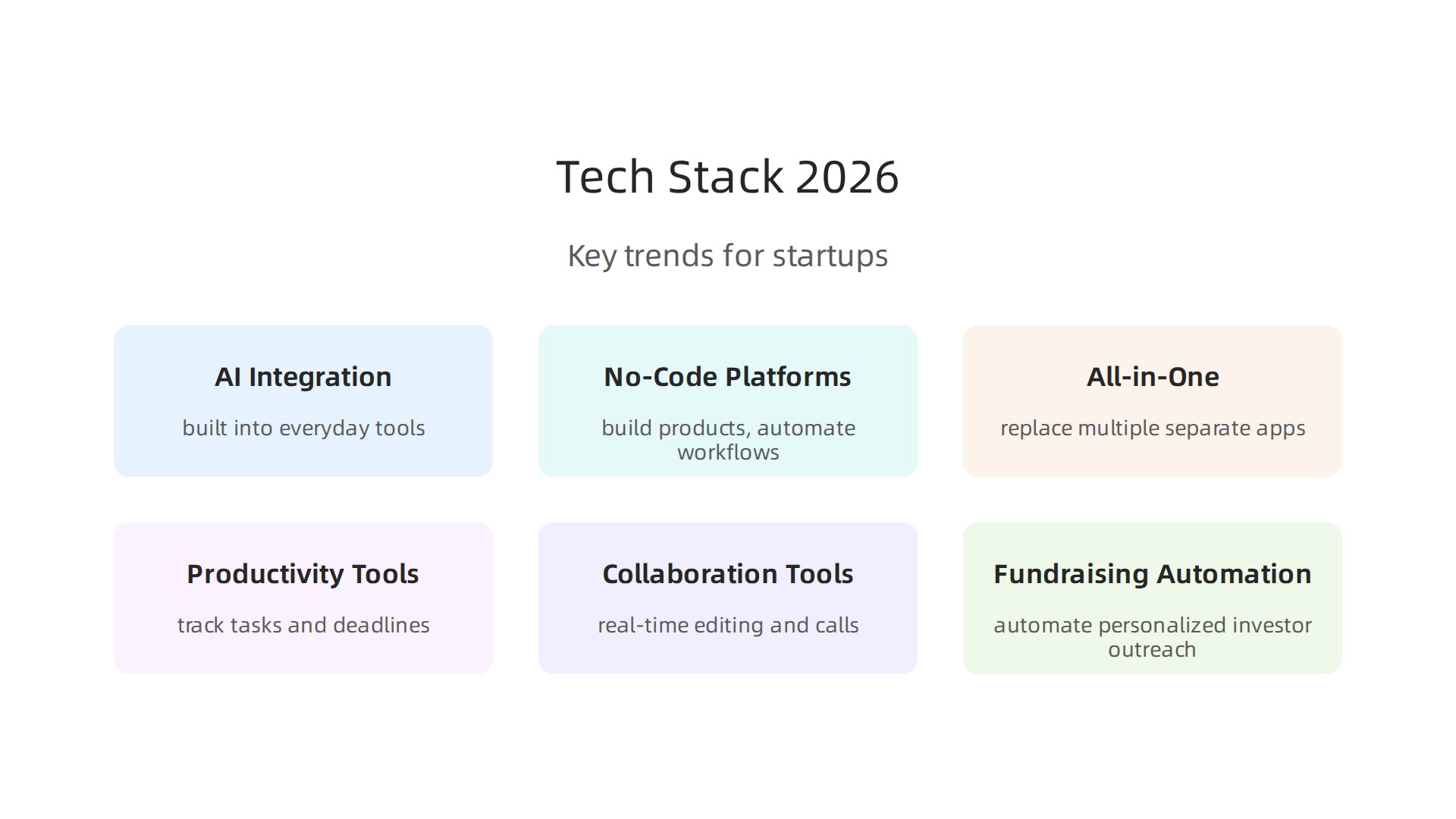
According to Deloitte, AI startups scale revenue five times faster than traditional SaaS companies. That power is now built into everyday tools, from project management to customer support.
But not all tools are created equal. The true tech tools that make a difference are the ones that solve real problems without adding complexity. For example, platforms like Blackhawk Tech and Ledgent Technology focus on specific niches, while others like P Tech offer broader automation. The key is to understand what is information technology and how each piece fits into your bigger picture.

If you’re unsure where to start, our guide on tech company categories can help you match tools to investor expectations.
Another shift: no-code and low-code platforms let non-technical founders build products and automate workflows without a huge dev team. This opens doors for more startups to launch faster. And all-in-one platforms like ClickUp aim to replace multiple separate apps, reducing overhead.
Still, the landscape is crowded. A 2026 study found that 90% of startups fail, with 42% building products nobody wants. Choosing the right stack helps you avoid that fate. It helps you focus on what matters: building something people need.
Now that we’ve mapped the landscape, let’s break down the specific tools you need to build a lean, investor-ready stack.
Productivity Tools: Streamlining Daily Operations for Lean Teams
Let’s be real. When you’re building a startup, every minute counts. You don’t have time for clunky processes or emails that get lost. That’s where productivity tools come in. They help you and your team stay on track without the chaos.
In 2026, the best productivity tools are smarter and simpler. Many now include built-in AI to help you write, organize, and even predict what you need next. According to a recent review of small business collaboration software, top tools combine messaging, project tracking, and document sharing into one smooth experience. Think platforms like Notion, ClickUp, Slack, and Asana.
The real trick is picking tools that grow with you. You might start with a simple to-do list. But as your team expands, you need something that handles bigger workflows. That is what we call true tech tools. They solve real problems without adding extra clutter. If you are still figuring out the bigger picture of how technology fits your business, our guide on the technology definition every founder needs offers a clear starting point.
So what should you look for? Focus on these three areas first:
- Project management – Tools like Trello or Asana help you track tasks and deadlines.
- Team communication – Slack remains a top choice for real-time chats and quick updates. The Slack team itself highlights it as one of the best collaboration tools for teams in 2026.
- Document collaboration – Google Workspace or Notion let everyone edit and share files without version headaches.
Here is the thing. You do not need ten different apps. You need a few that work well together. One of the best collaboration platforms for businesses in 2026 is ClickUp, because it replaces many separate tools. That means fewer logins and less confusion.
Choosing the right productivity tools early on saves you time and money. It helps your team move faster and focus on what matters: building your product and talking to investors.
And if you want to keep learning about how AI and new tools are changing the game, there is a resource that sends you clear daily updates. It is worth checking out.
Get clear daily AI updates from The Deep View Newsletter
Collaboration Tools: Keeping Remote and Hybrid Teams Connected
So you’ve got your productivity tools lined up. But what about keeping everyone on the same page when half your team works from a coffee shop and the other half sits in an office? That’s where collaboration tools come in. In 2026, remote and hybrid teams are the norm, not the exception. Without the right tools, communication breaks down, deadlines slip, and your startup stalls.
Collaboration tools do more than let you chat. They bring real-time editing, video conferencing, and file sharing into one central place. According to the experts at Slack, today’s top solutions like Slack, Asana, Miro, and Zoom cover everything from messaging to meetings to project tracking. That means fewer "Where’s that file?" emails and more actual progress.
Here’s the thing: the best collaboration tools are what we call true tech tools. They solve a genuine problem without adding extra complexity. For example, a tool like Miro lets your team brainstorm on a digital whiteboard, track changes, assign tasks, and keep conversations going all inside the same space. That’s real value.
When choosing a collaboration platform, integration matters most. You need a tool that plays nice with your existing stack whether that’s Google Workspace, ClickUp, or your CRM. The 2026 guide from Wrike highlights that the strongest collaboration software connects seamlessly with other apps, so your team doesn’t have to jump between ten tabs to get work done.
To make the right choice, ask yourself:
- Does it support real-time editing and file sharing?
- Can it handle video calls and async messaging?
- Does it integrate with the tools you already use?
Getting this right helps your hybrid team feel like one unit, not a scattered group.
If you want to dig deeper into how technology shapes your startup’s success, read our guide on why founders need a strong technology background. And if you’re hungry for daily AI insights that keep your tech stack sharp, there’s a newsletter worth reading.
Get clear daily AI updates from The Deep View Newsletter
Fundraising Tools: Automating Investor Outreach and Pipeline Management
You have built a strong team that works well together. Now you need the money to grow. In 2026, fundraising is too important to leave to luck. A messy spreadsheet full of email addresses will not cut it anymore. You need true tech tools that automate the boring parts and help you close deals faster.
Automate Your Investor Outreach
The first big win comes from automation. Specialized fundraising tools let you send personalized emails to hundreds of investors without losing that human touch.
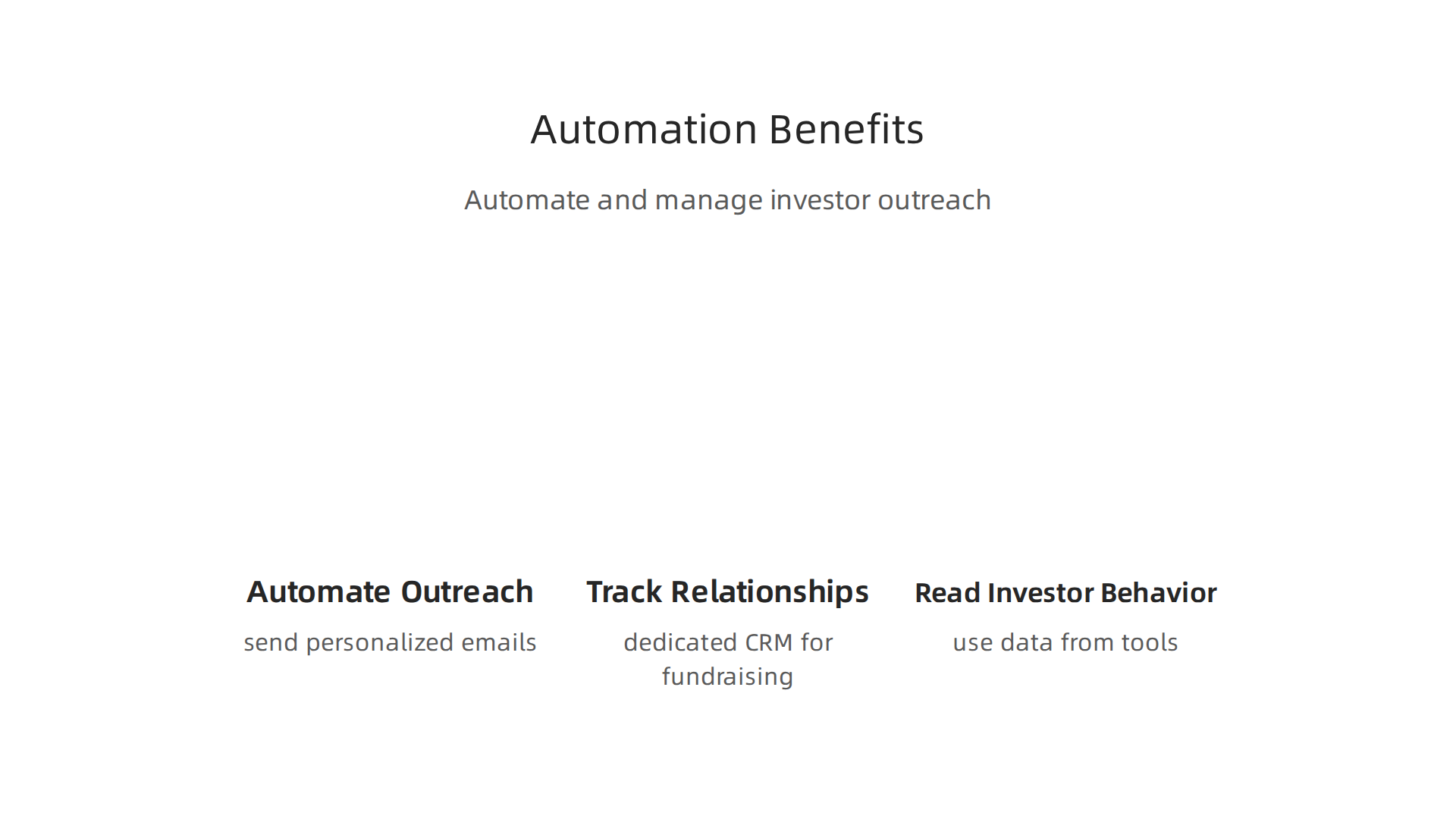
They track who opens your deck, who clicks your links, and who ghosts you. A 2026 guide from Pitchwise highlights how platforms like DocSend and Airtable turn your messy outreach into a clear, step-by-step pipeline.
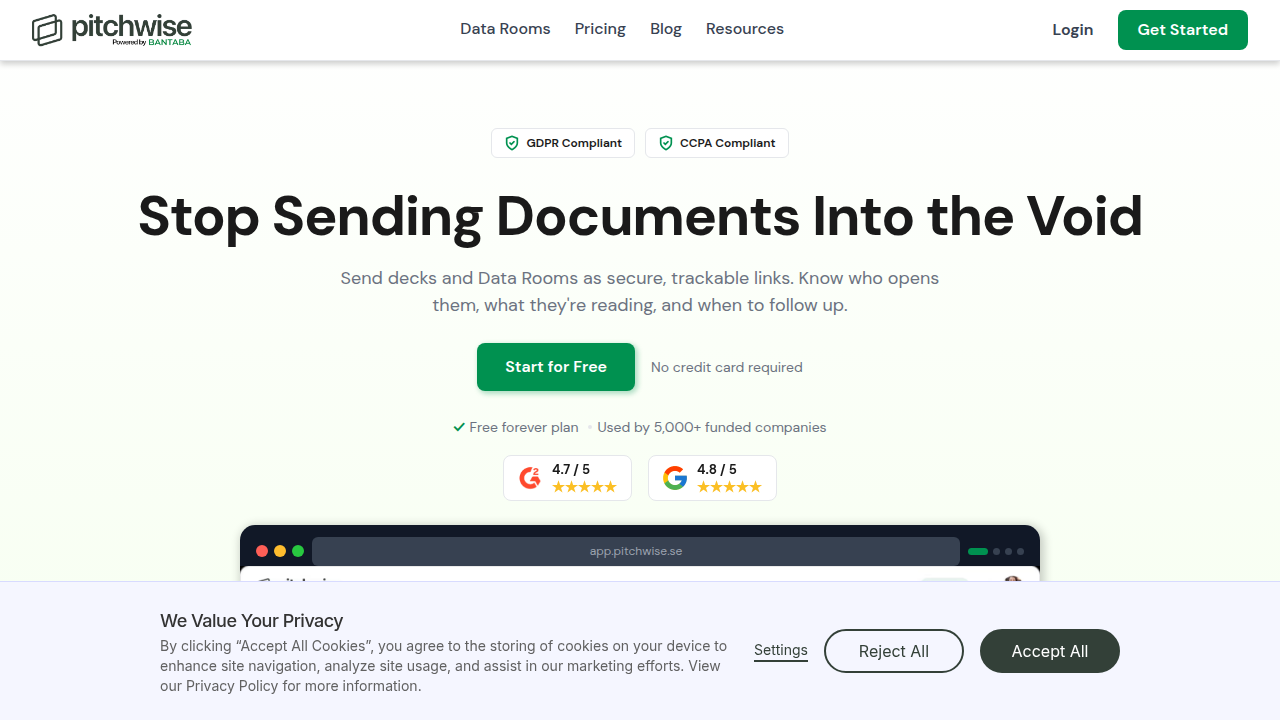
You stop guessing and start following up at the perfect time.
Track Relationships with a Fundraising CRM
Automation is great, but fundraising is still a relationship game. A dedicated CRM for fundraising helps you remember the small details. When did you last talk to that angel investor? What did they ask about? What did they say they liked about your product?
According to a comprehensive review on Gritt.io, the best CRMs for founders in 2026 track every touchpoint. They remind you when to send a follow-up and show you which relationships are getting warmer. This is what true tech tools do best. They solve the real problem of staying organized while you juggle a hundred conversations at once.
Use Data to Read Investor Behavior
Here is the secret that experienced founders know. Data tells you what investors really think. If someone watches your pitch video all the way through, they are interested. If they share your deck with their partner, they are serious.
Platforms like Qubit Capital explain that the data from these tools helps you focus your energy on the leads that matter most. You stop wasting time on people who will never write a check. You double down on the ones who are ready to move forward. If you are wondering what is information technology really doing for startups right now, this is it. It is turning fundraising from a black box into a measurable, predictable process.
Keep Learning What Works
Fundraising trends change fast. The tools that work today might look different next quarter. The best way to stay ahead is to keep learning.
Read our full breakdown of why founders need a strong technology background to understand how your tech stack impacts investor confidence.
And if you want daily updates on the tech trends shaping fundraising, there is a newsletter that delivers exactly that.
Get clear daily AI updates from The Deep View Newsletter
Financial Modeling Tools: Building Investor-Ready Projections
Here is the hard truth that many founders learn too late. A great pitch deck opens the door, but weak financial models slam it shut. Investors in 2026 want to see numbers that tell a story. They want projections that make sense and show you really understand your business.
Building these models by hand in a spreadsheet is risky. It takes forever and one small error can make you look sloppy. That is where true tech tools come in to save the day.
Why Automated Models Win Every Time
Specialized financial modeling tools like Finmark and LivePlan do the heavy lifting for you. They come with built-in templates built by experts who know what investors expect. You answer simple questions about your revenue streams, costs, and growth plans. The tool builds your three-statement model automatically.
According to a guide from Qubit Capital, the best modern fundraising platforms help you create professional financials without needing an MBA in finance. The automation reduces human errors dramatically. No more tiny formula mistakes that throw your entire projection off.
Show Investors You Are Serious
When you walk into a meeting with clean, investor-ready projections, you send a clear message. You treat fundraising like a professional process. You have the discipline to use the best tools available. That confidence often makes the difference between a check and a pass.
If you want to understand how your entire tech stack shapes investor confidence, read our full breakdown of why founders need a strong technology background.
Financial modeling is just one piece of the puzzle. To stay ahead of every trend that affects your fundraising in 2026, there is a resource that delivers daily insights on AI and tech shifts straight to your inbox.
Get clear daily AI updates from The Deep View Newsletter
AI and Data Analytics Tools: Smarter Decisions for Faster Growth
You have your financial models dialed in, but now comes another question. How do you make smarter decisions every single day? The answer lies in AI and data tools that turn information into action.
Here is something that might surprise you. According to data from the SBE Council, the average small business in 2026 uses a median of five different AI tools, and they plan to add more. That is not just a trend. It is a signal that founders who skip this step are falling behind.
How AI Transforms Startup Operations
AI tools are changing the game from customer insights to product development. Want to know exactly what your customers need? AI analytics can scan feedback, support tickets, and behavior data to give you clear answers. No more guessing.
Predictive analytics tools help you make data-driven decisions. Instead of trusting your gut, you feed your data into a tool that spots patterns. It can tell you which product features will drive growth or which customer segments are likely to churn. That kind of foresight is gold for a founder running on limited time and resources.
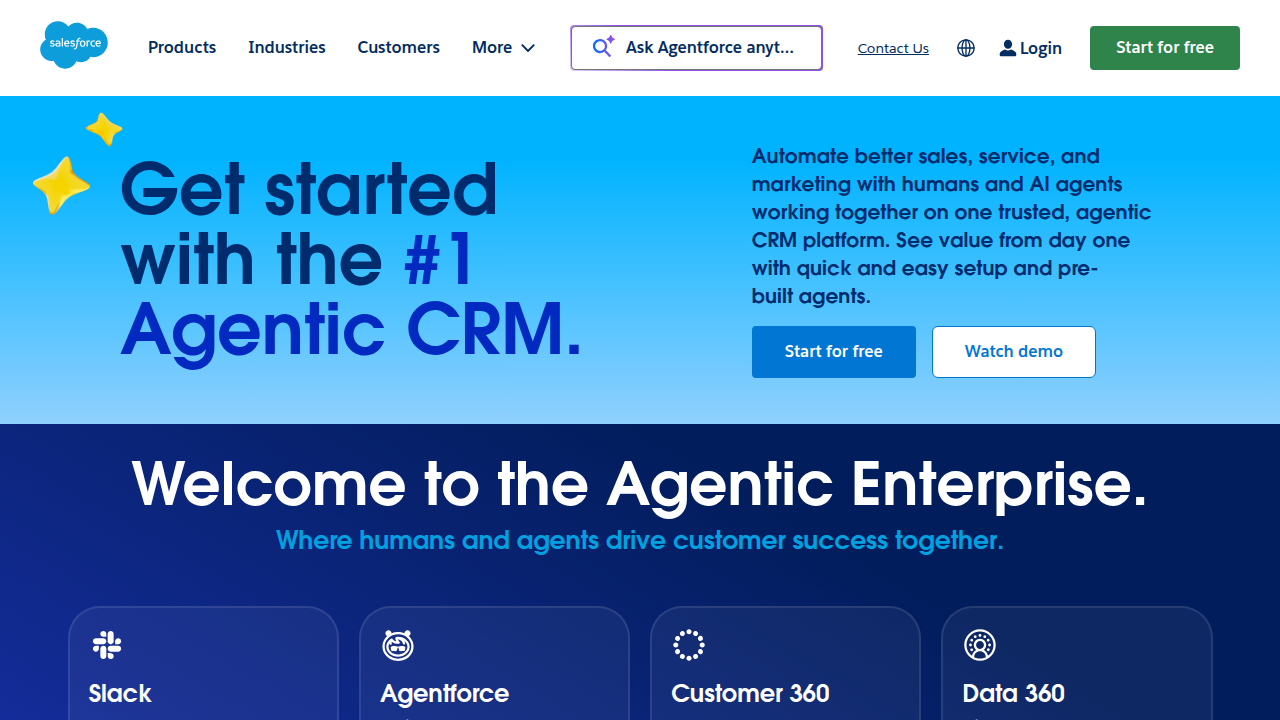
According to a breakdown from Salesforce, the best AI tools for startups in 2026 include platforms that handle everything from coding assistance to content creation.
Tools like GitHub Copilot and Notion AI are saving founders an average of 13 hours per week, according to research from Planetary Labour. That is almost two full workdays freed up each week.
AI in Fundraising: A Growing Trend
The most exciting shift is how AI is entering the fundraising process itself. New tools can personalize your pitch materials based on the specific investor you are targeting. They analyze past investments and fund preferences to suggest the right approach.
If you want to understand how different tech company categories are using these tools to attract investors, check out our full guide on tech company categories 2026.
The key takeaway is simple. AI and data analytics are not just nice to have. They are true tech tools that help you move faster, waste less time, and impress investors with your sharp decision making.
To stay ahead of every AI trend that could shape your next funding round, there is a resource that delivers clear daily insights straight to your inbox.
Get clear daily AI updates from The Deep View Newsletter
Security and Compliance Tools: Protecting Your Startup and Investor Trust
AI helps you move fast and make smart calls. But speed without safety is a risk you cannot afford. A single data leak can wipe out years of hard work and scare off investors before they even sign a term sheet.
Here is the reality in 2026. Your security posture is now a major part of your fundraising pitch. Investors want proof that you take data protection seriously. They look at how you handle sensitive information from day one.
Why Compliance Matters for Fundraising
Following rules like GDPR and SOC 2 is not optional anymore. Doing this manually takes forever and leads to mistakes. That is where compliance automation comes in.
The top compliance tools for 2026, highlighted by MetricStream, help you automate these checks. They make sure you follow the rules without slowing down your team. Security and compliance platforms are true tech tools that build real investor confidence.
Getting SOC 2 certified, for example, shows you are ready for serious clients and enterprise deals. According to a detailed guide from CyberCrest, achieving SOC 2 compliance in 2026 is a step by step process. Automating the evidence collection saves founders weeks of manual work. Platforms like Scytale offer specific solutions to handle this heavy lifting.
The Investor Trust Factor
Whether you are building a niche tool or a broad platform, this applies to you. Investors are asking one big question. "Is my investment safe with your operations?"
A strong compliance strategy answers that question clearly. This shift changes what information technology means for a founder. It is no longer just a back office function. It is a core part of your business value.
If you want to master the full fundraising process, understanding how security fits into your overall plan is key. Check out these data-driven strategies to raise capital in 2026 for a complete picture.
Staying ahead of tech risks and compliance changes requires daily effort. A trusted source of daily news helps you spot threats and opportunities before they grow.
Get clear daily AI updates from The Deep View Newsletter
Integration and Automation: Building a Cohesive Tech Stack
You have got security covered from the last section. Now it is time to make all your tools talk to each other.
Here is the problem most founders face in 2026. You use too many disconnected apps. A recent study from the SBE Council found the average small business already uses a median of five AI tools. And that number keeps growing.
Each tool helps in its own way. But when they do not connect, you waste hours moving data from one place to another. That slows you down. And it creates mistakes.
How Integration Platforms Help
This is where platforms like Zapier and Make come in. They act as the glue between your different tools. You can set up automated workflows that move data between your CRM, email, project management, and analytics tools without anyone lifting a finger.
For example, when a lead fills out a form on your website, Zapier can add them to your CRM, send a welcome email, and create a task for your sales team. All in seconds.
This is what true tech tools do. They work together rather than sitting in silos. Whether you use p tech, blackhawk tech, or ledgent technology solutions, the goal is the same. Make your stack work as one unit.
Automation Saves Time and Improves Accuracy
As highlighted in a practical guide from Salesforce on the best AI tools for startups in 2026, the right combination of tools can dramatically reduce manual work. Automation takes repetitive tasks off your plate. Data entry, follow-up emails, report generation. Let the machines handle the busy work so you can focus on what matters.
Better yet, automation reduces human error. When data moves automatically, you avoid the typos and missed entries that come with manual copying. Your numbers stay accurate. Your team stays aligned.
A Competitive Advantage
A well-integrated tech stack is not just a convenience. It is a competitive advantage.

Investors notice when your operations run smoothly. They see a founder who understands what is information technology really means for business efficiency.
Understanding the technology definition for founders in 2026 can help you explain your stack more clearly to investors. When you show them how your tools connect and automate key workflows, you prove you are running a modern, efficient operation.
Staying current on the best integration tools and strategies requires daily learning. A trusted source of tech news helps you spot new automation opportunities.
Get clear daily AI updates from The Deep View Newsletter
Summary
This guide explains how to build a lean, investor-ready tech stack for startups in 2026, showing which tools actually solve problems instead of creating complexity. It covers productivity and collaboration platforms, fundraising CRMs and outreach automation, financial modeling software, AI and analytics, security and compliance, and integration strategies that make disparate apps work together. The article highlights major 2026 trends—AI everywhere, no-code adoption, and all-in-one platforms—and explains why selecting the right mix of